How increased Canadian tariffs could impact Maine’s housing market
Unless a last minute trade deal is reached, the United States is set to impose a 50% tariff on billions of dollars worth of Canadian imports at 12:01 a.m. Wednesday
 WESTBROOK, Maine —
Unless a last minute trade deal is reached, the United States is set to impose a 50% tariff on billions of dollars worth of Canadian imports at 12:01 a.m. Wednesday.
The increase is likely to impact Maine’s already-strained housing industry.
Maine is known for its logging industry, but much of the state’s lumber is imported from Canada.
Canadian softwood lumber is already subject to tariffs of 45%. The latest round of tariffs would not affect softwood lumber, but it would apply to a range of other building supplies, including cement, steel, aluminum and copper products, as well as lumber products such as plywood, fiberboard and oriented strand board.
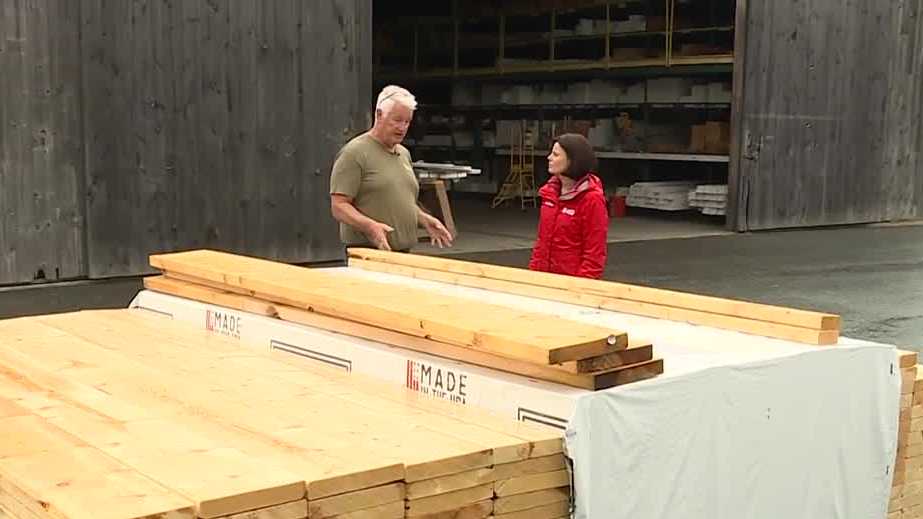
“Right now the cheapest price is out of Canada and a lot of this product comes out of Canada,” said Mike Knight, co-owner of Hillside Lumber.
Those materials are known for their resilience and are used in everything from custom cabinets to exterior siding.
Knight said the tariff increase could ultimately drive demand for American lumber, potentially more than local mills are able to handle.
“They can’t keep up with the demand if we cut off Canada altogether,” said Knight.
That, in turn, could lead to higher prices for domestic products as well.
“Not that I’m against having everything here in the United States but I think the timing is off, with everything that’s going on today, and the price of a house is so unaffordable to the first-time home buyer,” said Knight. “We’re trying to get this price down to so that everybody can live the American dream and buy a house.”
The increased costs could trickle down through contractors, ultimately reaching homebuyers.
Knight has seen a slight decrease in business over the past year. He attributes much of the cooling demand to higher mortgage rates. For now, many people are still stretching their budgets and absorbing added costs, but additional increases could fuel more uncertainty.
“The bigger picture is that nobody can afford a house which would affect me,” said Knight.