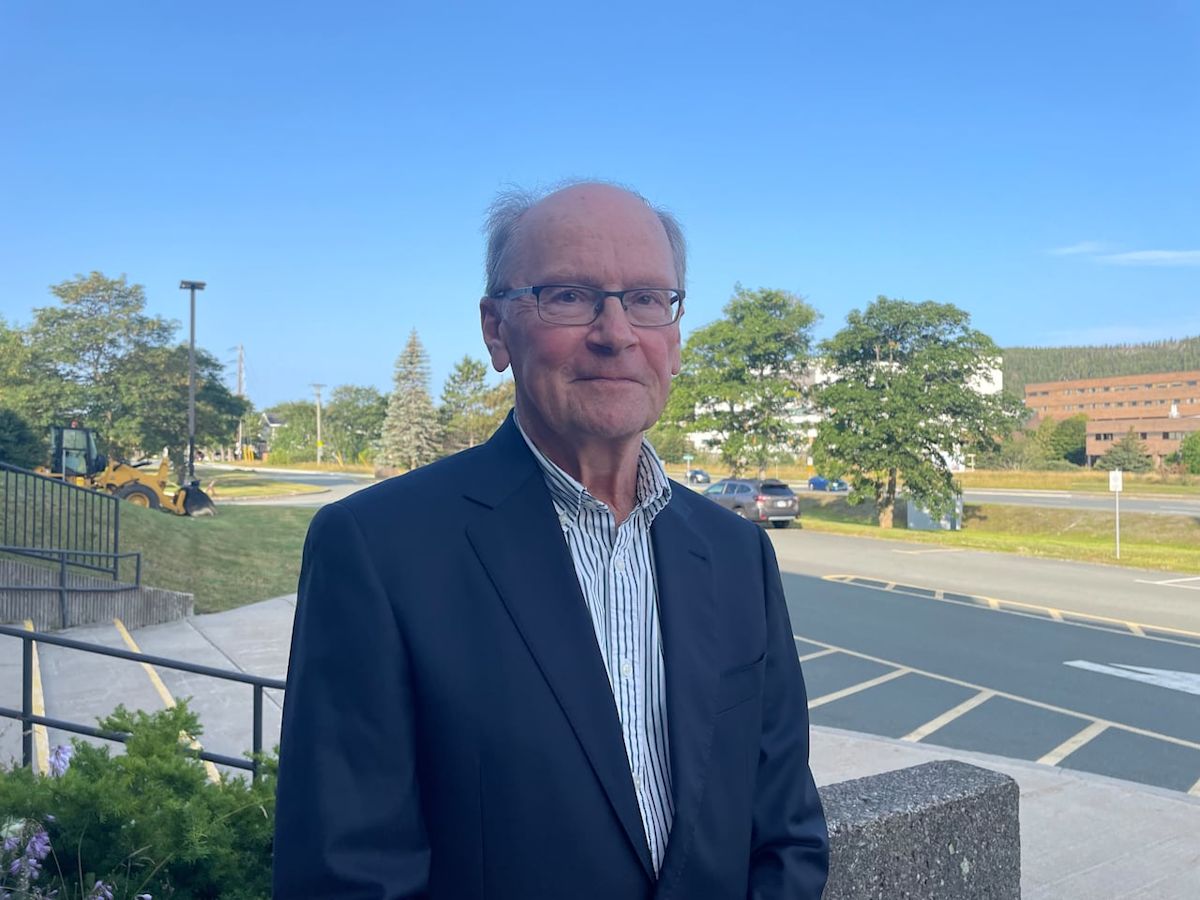
Having Ottawa step up in the new Churchill Falls agreement between N.L. and Quebec “makes a tremendous difference,” says one long-time civil servant.
On Monday it was announced Ottawa will provide $10 billion in financing to upgrade and potentially expand the Churchill Falls generating station, develop the Gull Island hydroelectric project, build transmission lines and implement a 2,000 MW onshore wind energy project in Labrador.
Ron Penney, a former deputy minister of justice and critic of the previous MOU signed in 2024, said Ottawa’s involvement is a big change because provinces don’t have to find that money.
“But there’s a downside to loan guarantees, as we found out with Muskrat Falls, because sometimes you go ahead with a project based on a federal loan guarantee that you otherwise would not be able to do,” Penney told CBC Radio’s The St. John’s Morning Show.
The possibility for a wind energy project in Labrador, which was not in the 2024 MOU, is also something that makes sense to Penney.
“The problem, of course, with wind is everybody knows it’s intermittent,” said Penney. “So you need to have backup power. So to have a wind farm associated with Churchill Falls makes a lot of sense.”

The deal won’t be finalized until after the Quebec election, to be called in the coming weeks, with a different political party, the Parti Québécois, currently favoured to form government.
Penney doubts the Parti Québécois will sign on to the agreement as it currently is written.
“I think we’re going, as I say, to a third chapter,” he said.
Kelly Blidook, an associate professor in Memorial University’s political science department, also anticipates Quebec will have a different party in power by the deadline to have the deal finalized — which is the end of 2026.
“Until we have that finalization, I would say that this isn’t really big news, but I can appreciate the politics around wanting to do the announcement now,” Blidook said.
While having Ottawa involved in the deal is important, he added, if the Parti Québécois forms government and doesn’t like the deal, “it will not happen.”
“We should always be talking about this as a tentative agreement, not as a done agreement. And those are very different things,” he said.
Shifting politics
During last year’s provincial election Wakeham promised to put any agreement to a public referendum. On Monday, he backtracked and instead, said he’d open the House of Assembly on Sept. 14 for a special debate.
Penney said he’s disappointed and he had wanted a debate, adding it could impact Wakeham’s future credibility.
Blidook said while in opposition, Wakeham also said an MOU needed to go through an independent review and go before the House of Assembly.
“I’m assuming that he still believes these things. I’m guessing we won’t necessarily get these things,” said Blidook.
“Until we really have these things, it’s very difficult to assess whether this ultimately is a good deal. But obviously he’s going to argue that it is because now he’s in charge.”
The political circumstances have changed since former premiers Andrew Furey and former premier François Legault signed a previous MOU in December 2024, said Blidook. At the time, there wasn’t the possibility of a Quebec separatist party forming government and down south, Joe Biden was still U.S. president, he said.
“This change in terms of the importance of economic security, the change of having Mark Carney as prime minister and this push to do all these things, I think Premier Wakeham actually did find himself in a position to sort of get a better agreement.”
Download our free CBC News app to sign up for push alerts for CBC Newfoundland and Labrador. Sign up for our daily headlines newsletter here. Click here to visit our landing page.