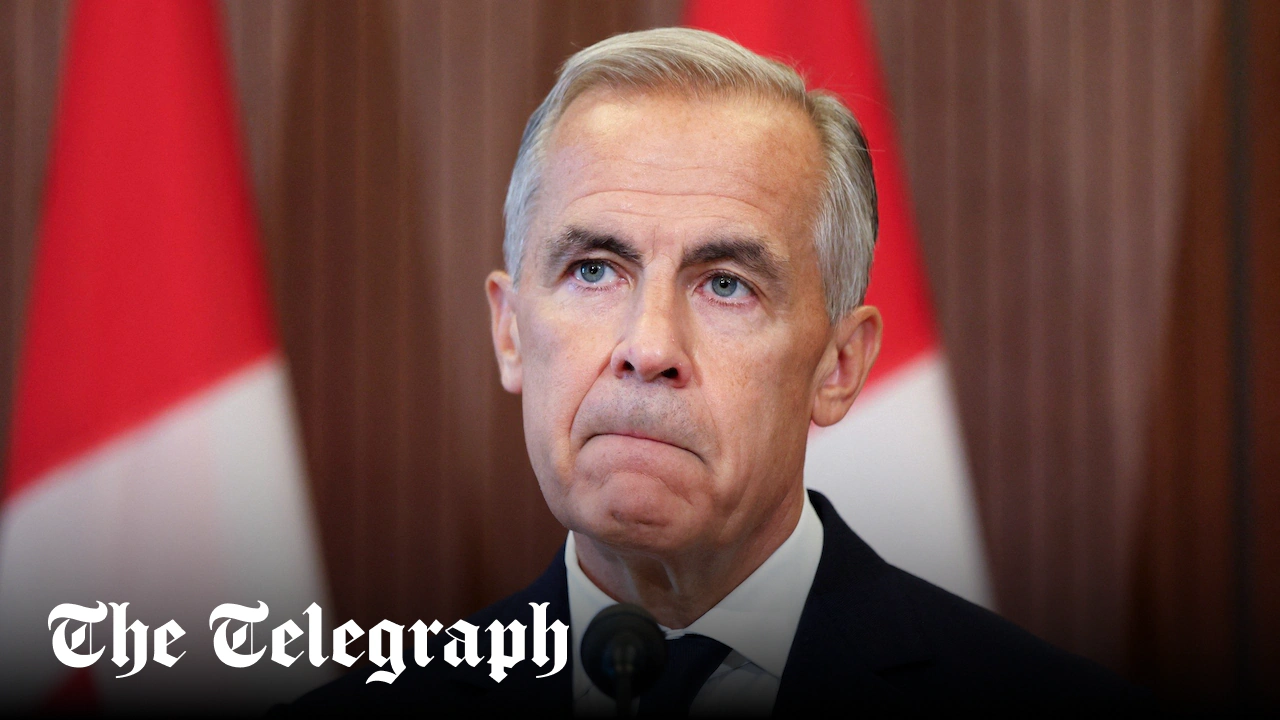
The tariffs represent an escalation in trade tensions between the North American neighbours and raised fresh concerns about the future of the USMCA trade pact between the US, Canada and Mexico.
At least C$3.6bn (£1.9bn) of Canadian goods cross the border into the US daily, making up more than 75 per cent of Canada’s total exports.
The tariffs will account for about $20bn of annual trade, and 2 per cent of the trade between the two countries. Canada is the US’s second-biggest trading partner.
In the recent talks in Washington, Canada was seeking relief from US tariffs on autos, steel and aluminum, which have battered the country’s economy, forced job losses and strained what was once an iron-clad trade relationship.
The White House had alleged “discriminatory treatment” by Canada against US alcohol, automobile and dairy products by introducing the duties.
Jamieson Greer, the US trade representative, told the New York Times that the US had offered to reduce its tariffs on steel, aluminum and autos, as well as eliminate a recently imposed tariff on Canadian lumber.
Mr Greer said those measures would have given Canada “the most preferential treatment of any trading partner”.
He also said no new talks were planned with Canadian negotiators.
Mr Trump has long taken an aggressive stance against his northern neighbour, regularly threatening the country economically and claiming that Canada should become the “51st state” of the US.
He repeatedly goaded Justin Trudeau, Canada’s former prime minister, by claiming Canadians would pay lower taxes and receive better military protection if the country joined the US.
In January, he posted an AI-generated image of an Oval Office meeting with European leaders that showed Canada coloured in the American flag.
Mr Carney, a former governor of the Bank of England, was elected as the Canadian leader in 2025 after campaigning on a promise to stand up to Mr Trump.
The US president has frequently targeted Mr Carney in public since he took office, calling him “nasty”.
Mr Trump also pledged in July to impose tariffs because smoke from Canadian wildfires had been crossing the border into the Midwest and the north-east of the US.