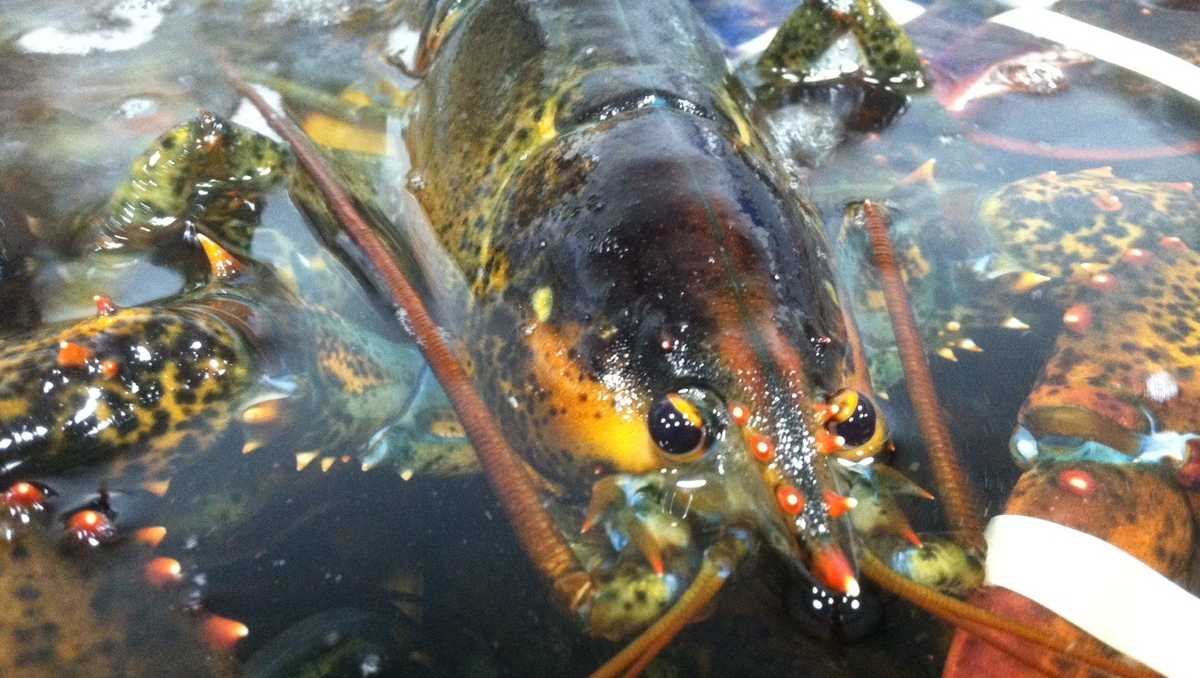
Maine lobster protected: Canada removes seafood from retaliatory tariffs
 MAINE —
Lobstermen in Maine breathed a sigh of relief on Thursday after Canada amended its retaliatory tariffs against the United States, removing seafood and fish products from the items that will face the new fee.
In an announcement late Wednesday night, Canada’s Department of Finance said the Canadian government was working with Canadian industries to assess the effectiveness of retaliatory tariffs. Based on feedback, the department said it made “select adjustments to protect against broader economic harms.”
Canada has said it would impose a 25% retaliatory tariff on live and frozen lobster from the United States, including Maine, starting on Sept. 8, 2026.
The Maine Lobstermen’s Association (MLA) says Canada buys roughly half of all lobster caught in Maine during the fall fishing season.
On Wednesday, the MLA had released a statement saying the tariff could be devastating to the Maine lobster industry.
On Thursday, after lobster and seafood were removed from the tariff, the MLA released another statement, calling the decision “welcome news and a relief.”
“Keeping seafood tariff-free protects our shared supply chain and avoids unnecessary economic harm on both sides of the border,” said Patrice McCarron, executive director of the Maine Lobstermen’s Association. “We appreciate Canada’s decision to listen to the concerns raised by the seafood industry and remove seafood from these tariffs. We urge both governments to continue protecting the longstanding tariff-free trade in lobster that benefits fishermen, businesses and coastal communities throughout North America.”
In 2025, Maine lobstermen caught 78.8 million pounds of lobster, making it the smallest catch since 2008. The catch was worth about $461 million at the dock, with an average boat price of $5.85 per pound, the third-highest price on record.
Inflation hit the industry hard last year, and there were more than 21,000 fewer fishing trips than in 2024, according to Carl Wilson, commissioner of the Maine Department of Marine Resources. Market uncertainty due to tariffs and a late start to the busy portion of the fishing season also played roles, he said.