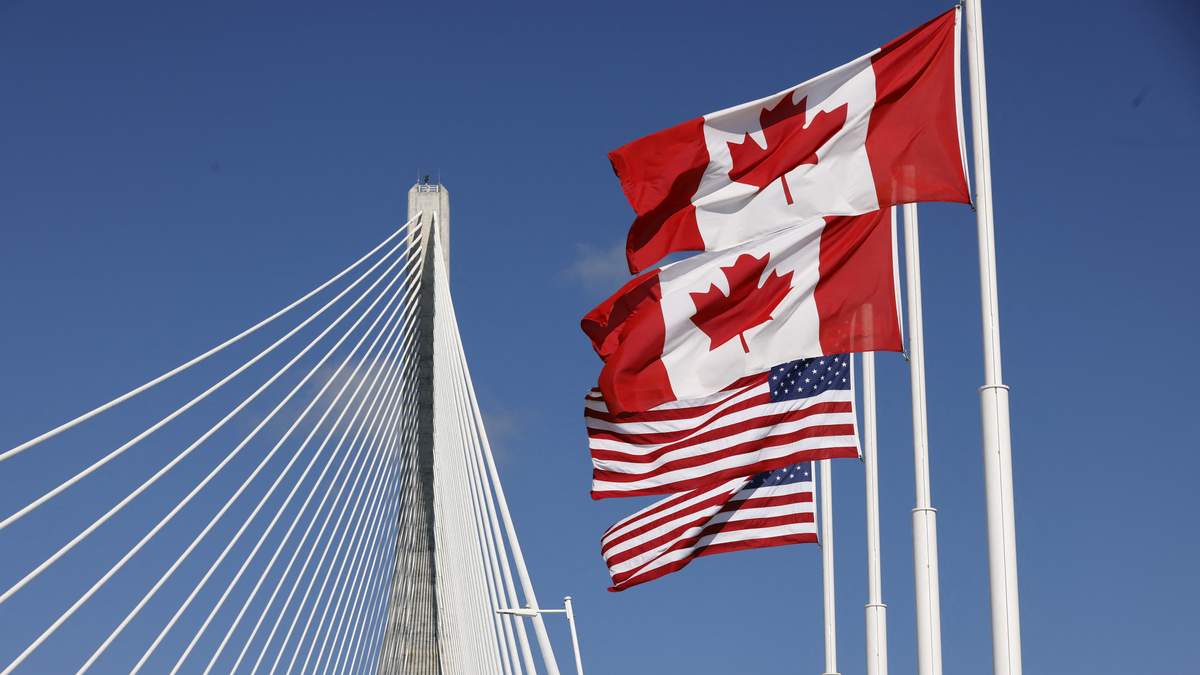
President Donald Trump is escalating the trade conflict with Canada by announcing a new import ban on Canadian alcohol and motorcycles. The decision, made in response to Canada’s recent tariffs, was announced on Tuesday (September 8). The import ban will take effect on Monday, September 29, while additional tariffs of 50% on Canadian goods such as steel, aluminum, furniture, and paper products will be enforced starting Monday, September 15.
The trade tensions between the two countries intensified after Canada walked away from negotiations on August 21. Canadian Prime Minister Mark Carney stated that the terms offered by the United States were “unfair” and “uneconomic.” In retaliation, Canada imposed its own tariffs on American imports, including steel, dairy products, and appliances, which went into effect on Tuesday (September 8).
President Trump has defended his decision, citing what he views as an imbalanced trade relationship. He has previously criticized Canada’s tariffs on U.S. farmers and other goods. However, some of his claims have been challenged, including his assertion about Canada’s unemployment rate and trade deficit figures.
The trade war has raised concerns about potential economic impacts. Analysts suggest that while the current tariffs cover a small percentage of Canadian exports, the ongoing conflict could harm the economic relationship between the two countries. Despite the escalating rhetoric, there is hope for a resolution. Experts believe there is still time to negotiate and avoid a full-blown trade war, especially with the upcoming U.S. midterm elections.
Both sides have a history of trade disputes, but there is optimism that a compromise can be reached. Former U.S. trade negotiator Wendy Cutler suggested that an emissary trusted by both countries could help restart talks. The economic stakes are high, with significant trade volumes between the U.S. and Canada.