For decades, women and girls have carried much of the responsibility for keeping themselves safe from gender-based violence.
Learn the warning signs. Make a safety plan. Tell someone. Call the police.
But if men perpetrate the majority of violence against women, why are we placing so much of the responsibility for preventing it on the people most at risk of experiencing harm?
That’s the question at the heart of research my colleagues and I released last week. Our new study examines the histories of thousands of men with criminal domestic violence offences in Calgary. And it shows we need to pay attention to what happens before charges are laid.
Across multiple years of data, we found remarkably consistent patterns. More than 60 per cent of men had contact with police before their first domestic violence charge, and for some, those police interactions increased as they moved closer to that charge.
This means we have opportunities to intervene with men earlier to stop violence before it escalates. The findings raise an important question — now that we can identify these opportunities, how do we act on them?
Answering that question requires action from police, but it also takes us well beyond law enforcement.
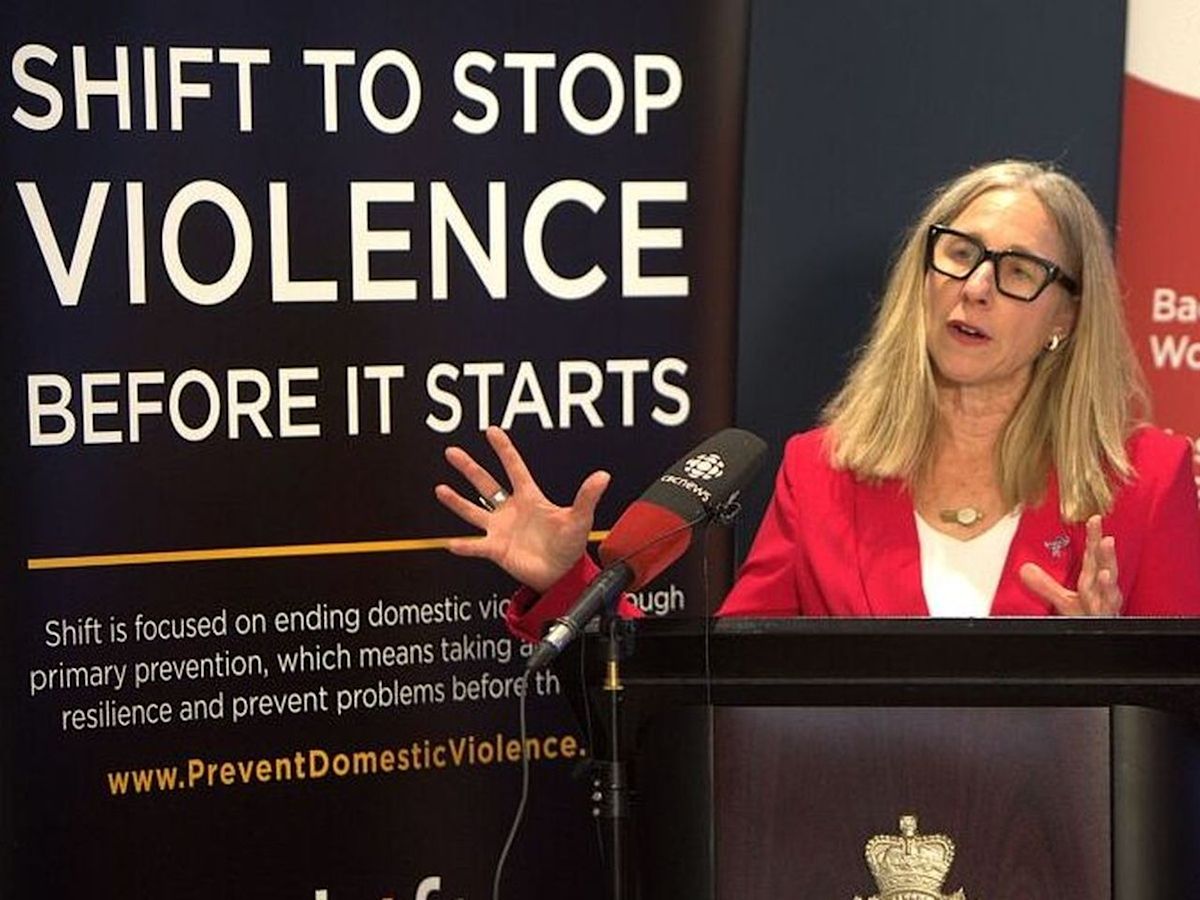
I have spent the past two decades leading Shift: The Project to End Domestic Violence at the University of Calgary, working to understand what it takes to prevent gender-based violence. In doing so, I’ve learned a key lesson — ending gender-based violence means finding a way to centre survivors’ knowledge, without making survivors the primary subjects of our prevention efforts.
For years, the gender-based violence sector has fought to centre survivors — their voices, experiences, safety, autonomy and choices. This is necessary and remains essential; women experiencing violence have too often been ignored, blamed, disbelieved or expected to navigate systems not designed around their needs.
Survivors should remain at the heart of why we do this work, but they shouldn’t have to carry the responsibility for changing the conditions that produce violence. That responsibility belongs to the rest of us.
Men primarily perpetrate this violence, and we need to better understand their pathways toward it — the patterns that precede violence, the environments and culture that shape behaviour, the systems men interact with and where opportunities exist to intervene earlier.
Our new research shines a spotlight on those opportunities. But police data is only part of the picture. About 40 per cent of men in our study had no police contact before their domestic violence charge, meaning we need to look beyond law enforcement alone.
Men also interact with health, housing, education, justice and social systems. They participate in workplaces and communities. They are influenced by peers and social expectations about masculinity and relationships.
We need to start asking new questions. What conditions make violence more likely? Where can we interrupt those patterns? And who has the power to change them?
The answer to preventing male-perpetrated violence includes governments, institutions, workplaces and communities. It includes friends, colleagues and neighbours whose everyday actions communicate what is acceptable. And it includes men themselves, as active participants in changing the norms and environments that enable violence.
None of this means moving away from supporting survivors. Survivor knowledge and lived experience must continue to shape our understanding and solutions, and we need to keep investing in supports for people experiencing violence.
Effective prevention asks us to add something more — move attention, resources and responsibility upstream to prevent male perpetration before families are harmed.
Our research shows there are opportunities before the first criminal charge to do just this. The challenge now is to act on these opportunities.
If we want fewer women to experience violence, the burden of creating that future cannot rest with them alone.
We must all carry it.
Lana Wells is the Brenda Strafford Chair in the Prevention of Domestic Violence, and leads Shift: The Project to End Domestic Violence at the faculty of social work and is a Fellow at the School of Public Policy, University of Calgary.