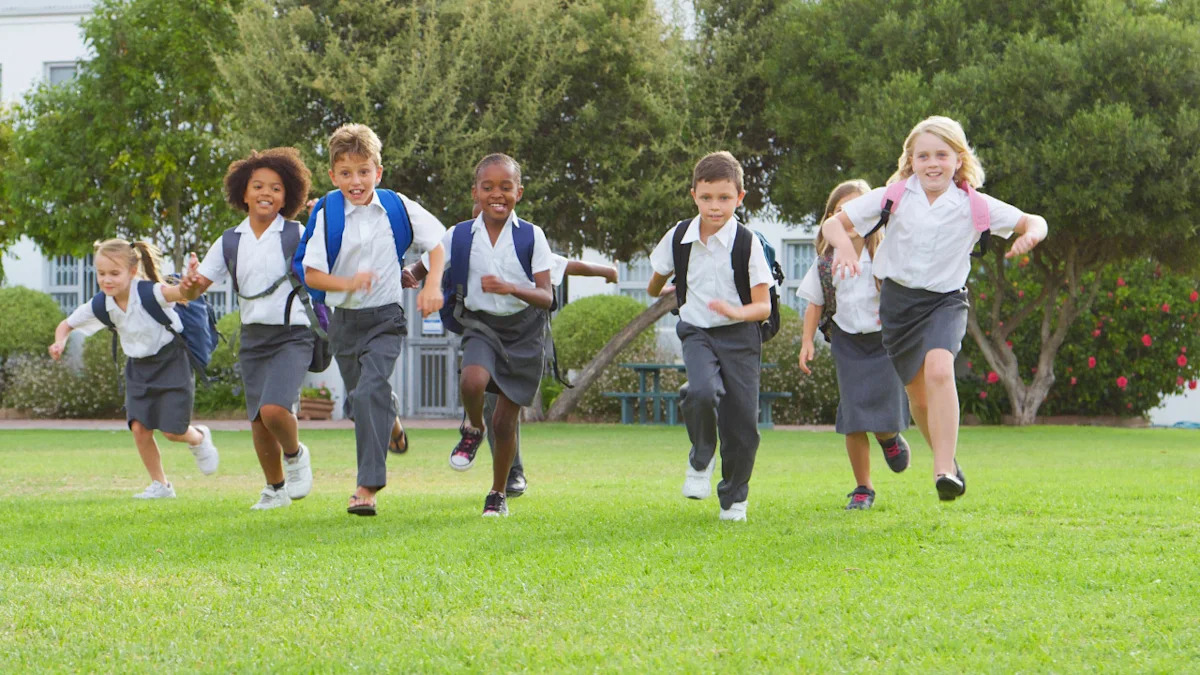
 Private school
More Canadian families are choosing independent and private options for their children’s education, marking a significant long-term shift away from traditional public school systems.
British Columbia sits at the forefront of the movement. Data highlights that B.C. maintains the highest proportion of independent school enrollment in the country, with between 13.2% and 13.7% of all K-12 students enrolled in non-public institutions. Roughly one in every seven students in the province now attends an independent school.
The trends in Vancouver and surrounding communities reflect a decades-long nationwide movement rather than a temporary spike.
Don’t Miss A national shift toward independent education
Across Canada, independent school enrollment has expanded considerably over the last two decades. According to education enrollment data published by the Fraser Institute, overall enrollment in non-public schools grew by approximately 45% since 2000.
During that same timeframe, public school enrollment across the country experienced a slight decline of about 3.7%.
Nationally, between 7.7% and 8.5% of all Canadian K-12 students are educated outside the public system, with B.C. consistently leading all provinces in adoption rates.
Read More: How financially stable am I? You’re doing better than most if you check off just 1 of these 3 boxes
Factors driving B.C. parents to choose alternative options
According to a report by the Vancouver Sun, local parents cite several factors when making the jump to independent education.
Key considerations include smaller class sizes, specialized academic programs, religious or alternative teaching philosophies and perceived stability within non-public systems.
Additionally, B.C.’s provincial funding model for independent schools provides non-public schools with 35% to 50% of the per-student operating grant allocated to local public districts, which helps lower tuition barriers for many families compared to private tuition costs in other provinces.
Classroom conditions and funding strain feed public school attrition
The movement toward independent education comes as public school boards across B.C. battle persistent operating shortfalls and inflationary pressures. Despite increases in provincial per-student operational funding, school districts have faced millions of dollars in budget deficits.
Advocacy groups and parent advisory councils warn that chronic funding gaps are worsening classroom conditions across the province. School boards have been forced to roll back support services, scale down elementary music programs, reduce teaching staff and education assistant positions and pull back specialized help for students with complex learning needs.
The B.C. Teachers’ Federation has repeatedly voiced concern that public grants fail to meet the true cost of inclusive education, pushing districts to trim services or leave high-needs students without adequate support.
Because public funding relies directly on per-student headcount, every departure to an independent school extracts additional funding from local public boards, aggravating the fiscal squeeze and prompting more families to seek alternative options.
While public education remains the standard for the vast majority of Canadian youth, the steadily growing numbers in B.C. and across Canada point to a changing educational landscape where more families actively seek alternatives.
What To Read Next
The most expensive financial mistakes are often the ones you don’t see coming. Join 19,000+ Canadians who get the money moves, risks and opportunities shaping their finances — delivered free each week. Subscribe now.
This article originally appeared on Money.ca under the title: 1 in 7 B.C. students now attend independent schools as Canada-wide private enrollment climbs 45%
This article provides information only and should not be construed as advice. It is provided without warranty of any kind.