27th August 2026
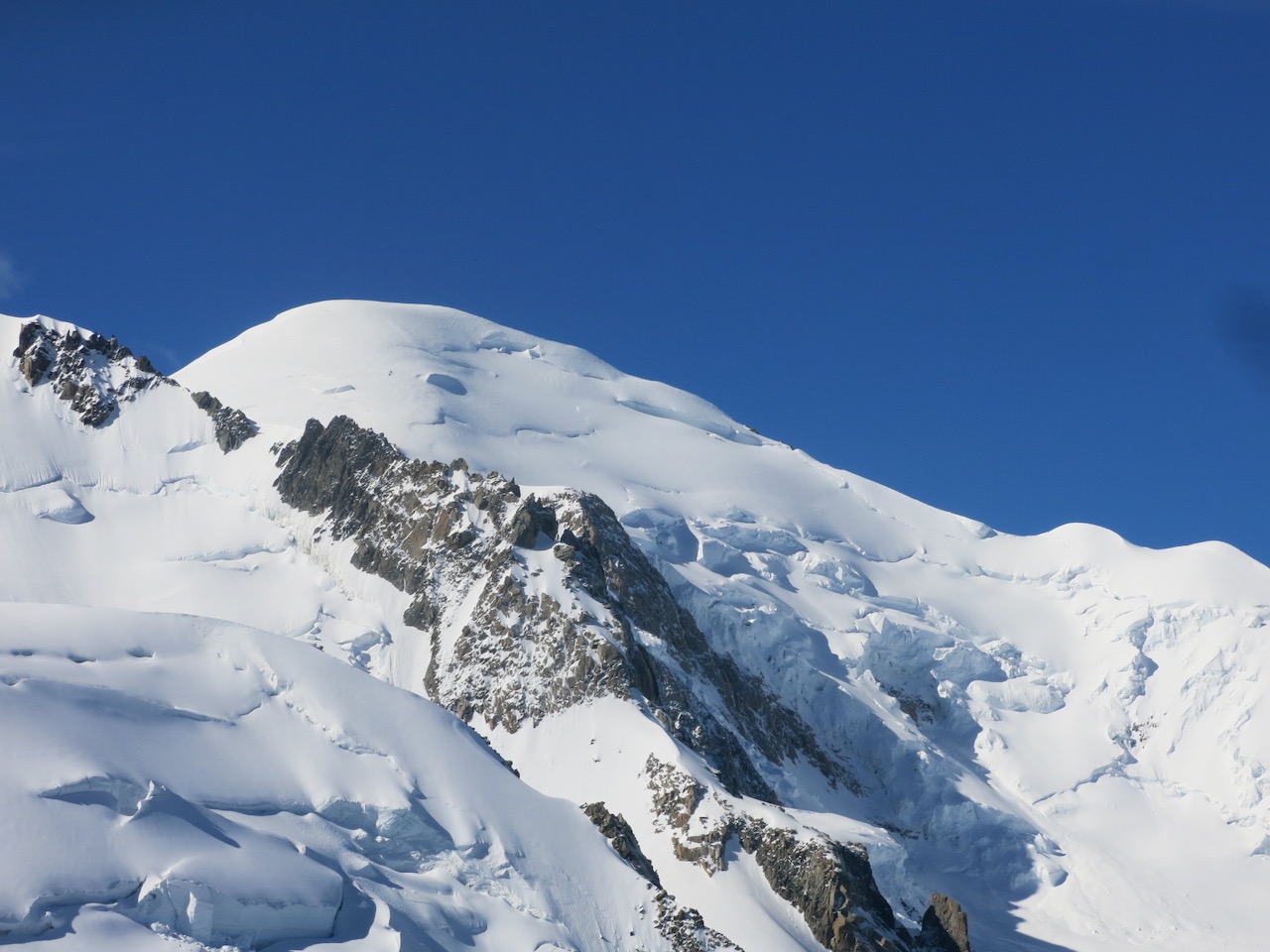
It was first thought an earthquake started the catastrophe, but satellite images indicate it was instability perhaps caused by climate change. There are concerns of a similar set of circumstances in the Alps but monitoring & scientific research are more advanced. NEW
More than 300 people have been killed with up to 900 missing.
Many are foreign tourists as the area is popular with hikers as well as pilgrims.
33 British people remain unaccounted for.
350 are reported to have been rescued.
The disaster struck on Wednesday as flash floods caused by the glacier collapse hit the Nepal-Tibet border.
“It looks like a glacier in the area basically snapped off in a clean break, allowing it to fall just over a vertical kilometer to the valley bottom,” said Daniel Shugar, a geologist at the University of Calgary in Canada who studied satellite imagery to examine what happened.
“The bottom looks like a bomb exploded — it’s just deposits from the broken-up glacier,” he said.
The glacier break occurred about 40 miles north of Kathmandu.
The flow of ice moved northwest along the valley toward the Bhote Koshi River, at the border between Nepal and the Chinese territory of Tibet.
“I see a signal that is quite large at the start of the event, but it does not look like an earthquake,” said Kristen Cook, a geomorphologist at Université Grenoble Alpes in France, to The New York Times.
“When we combine this with what we know about the area and satellite imagery, we come to a preliminary interpretation that this was most likely a rock-ice avalanche that transitioned into a flow as it moved downstream.”
Warming temperatures caused by climate change may have accelerated the glacier’s collapse, scientists said, but they added that it was too early to determine a precise cause.
Last year in the Swiss Alps the village of Blatten was completely buried by a huge ice and rock mudslide.
The village had been evacuated but one local died after he refused to leave his home.
“Climate change and its impact on the cryosphere will have growing repercussions on human societies that live near glaciers,” said Ali Neumann, disaster risk reduction advisor to the Swiss Development Cooperation, at the time.
“With the right skills and observation and management of an emergency, you can significantly reduce the magnitude of this type of disaster.”
Currently there have been many more rockfalls this summer due to the various heatwaves and monitoring has been stepped up in those areas deemed to be at risk.
Climbing and hiking routes in the Alps have been closed, with mountain huts shut to deter people from going to dangerous areas.
On Mont Blanc some have chosen to ignore the closures and have had to pay for their own evacuation.
In Nepal the search for the missing and the injured continues with a huge rescue operation underway.
The UK Prime Minister Andy Burnham says the UK has pledged £5 million to help with the response effort in Nepal following the flash floods. .
“It’s a devastating picture that is emerging from what has happened in Nepal,” Burnham said.
“Immediate action” is being taken and the UK is deploying consular support staff to the region “so that British nationals will be able to access support 24/7″, he added.
“Obviously, there are a number of British nationals who currently are thought to be missing and we’ll be providing all the support we can to their families in what is a very distressing and devastating situation.”
PlanetSKI: Number 1 for digital ski news
Your digital platform for ski news, resort information, travel, equipment rental, sport, money saving deals and everything connected with snowsports – web site, social media & more.
