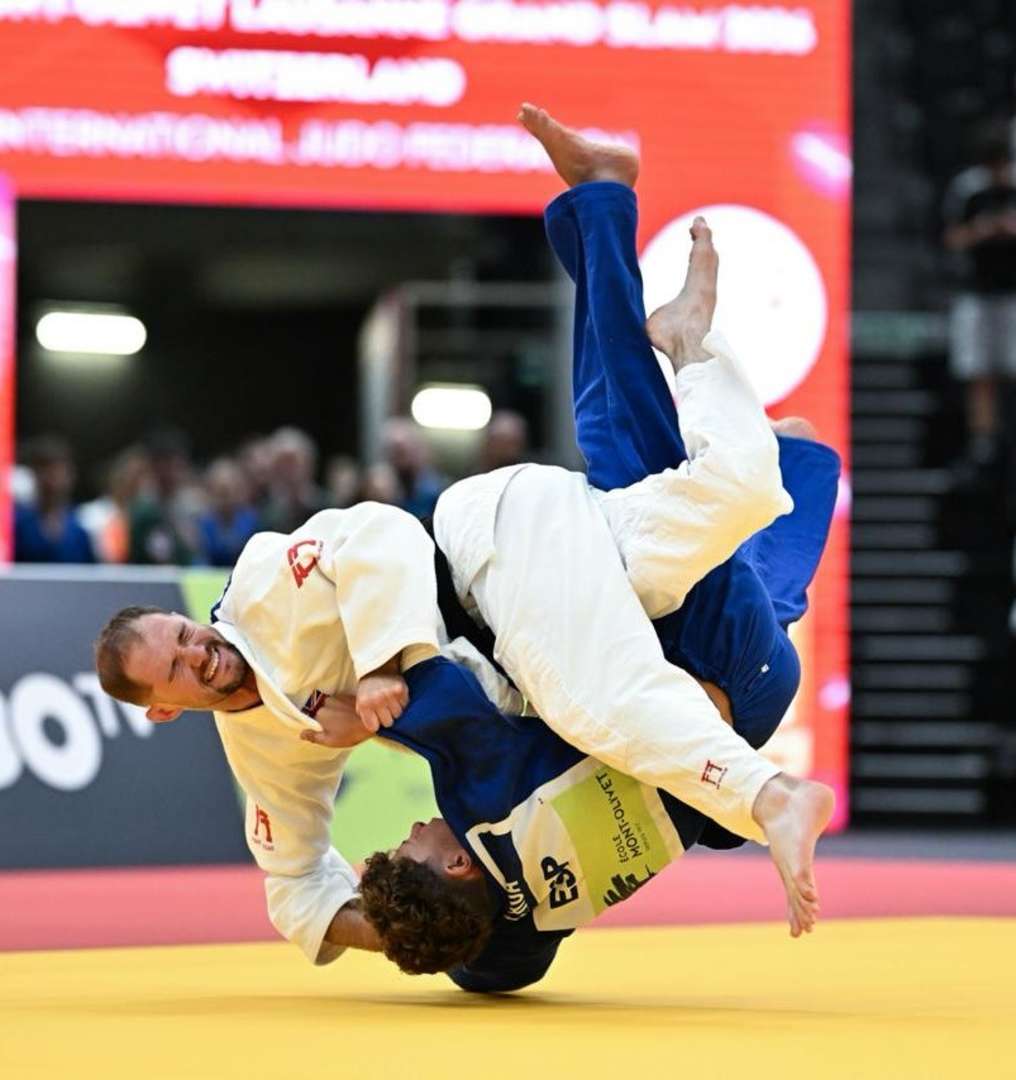
To an untrained observer, or even to a judoka accustomed to following international competition, the opening minutes of the Ecole Mont-Olivet Lausanne Grand Slam 2026 could have looked like those of any other event on the World Judo Tour. There was the familiar rhythm of the warm-up, the intensity around the tatami and the determination of athletes ready to give everything. The principal novelty was Lausanne itself, host of the first grand slam ever held in Switzerland. Yet, looking more closely, there were new faces too: judoka who may never have stood in the full glare of an international stage before. That is because, on this first day of competition, something particularly meaningful was taking place alongside the World Judo Tour event, on the very same tatami: the Ecole Mont-Olivet Lausanne Adapted Judo Grand Slam 2026.
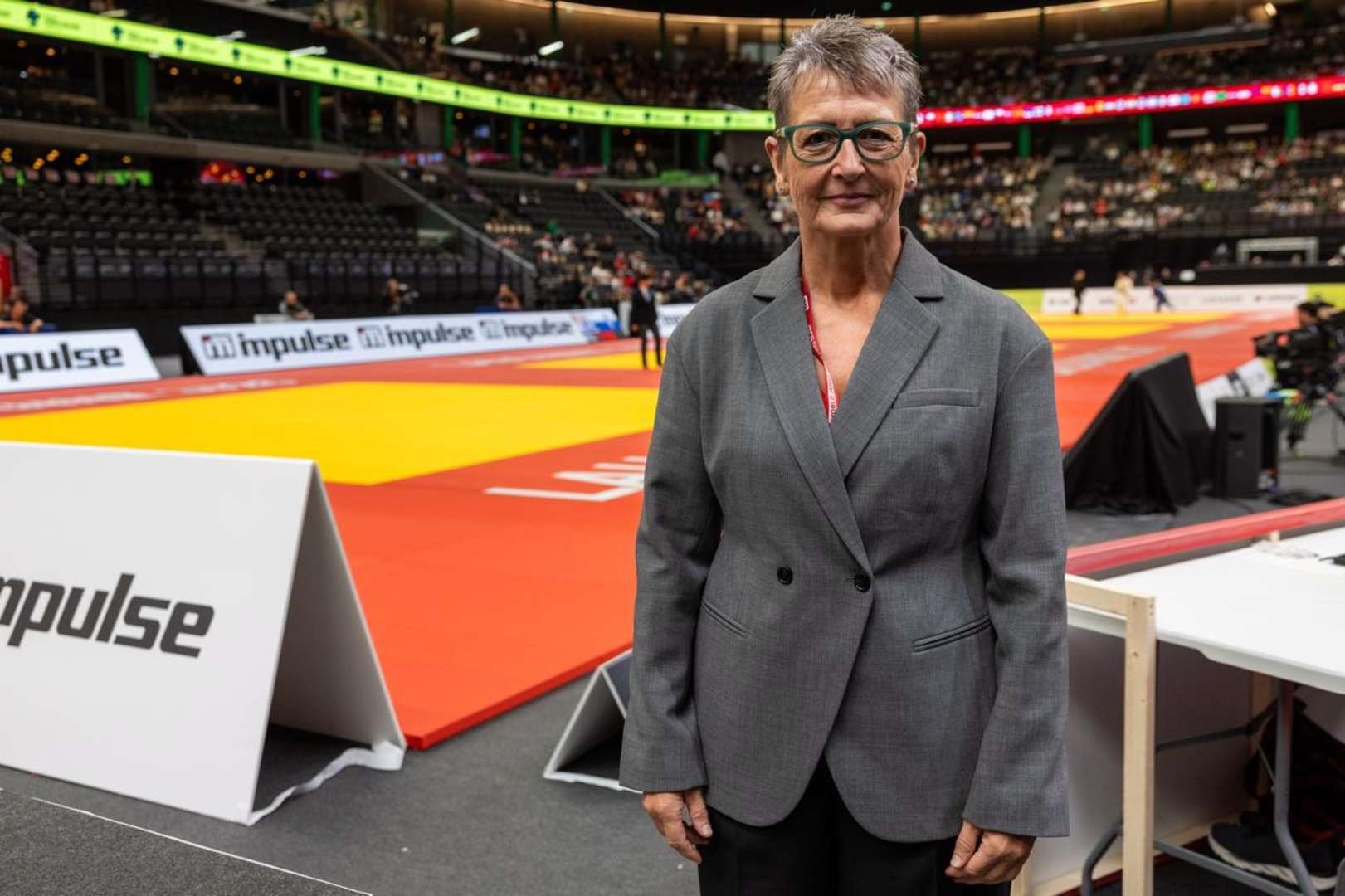
Kerry Tansey
For Kerry Tansey, a member of the IJF Inclusion Commission and a lifelong judo enthusiast, this is far more than an addition to a competition programme. Since the beginning of the day, her heart has been beating a little faster. “Adapted judo is judo for every disability,” she explained. “Once a disability has been identified, we look at the judo level. There are five levels, from one to five. Here in Lausanne, we are focusing on the first two levels. There is a mix of athletes with intellectual disabilities, autism, limb impairments or cerebral palsy.” At level one, athletes generally train in mainstream judo clubs, fully integrated with other judoka. At level two, the challenges may be greater. Athletes can need more time to process information and respond to situations. As the classification levels increase, the support and adaptations required can become more significant.
For many years, the European Judo Union and a number of national federations have been active in the field of inclusion. There were already strong programmes, experienced coaches and committed communities, but often different names, different rules and different systems from one country to another. “We have developed a very strong collaboration,” said Tansey. “The aim was to harmonise the very good work that everyone was doing in their own way. By working together more effectively, we have also been able to increase safety for the athletes.”
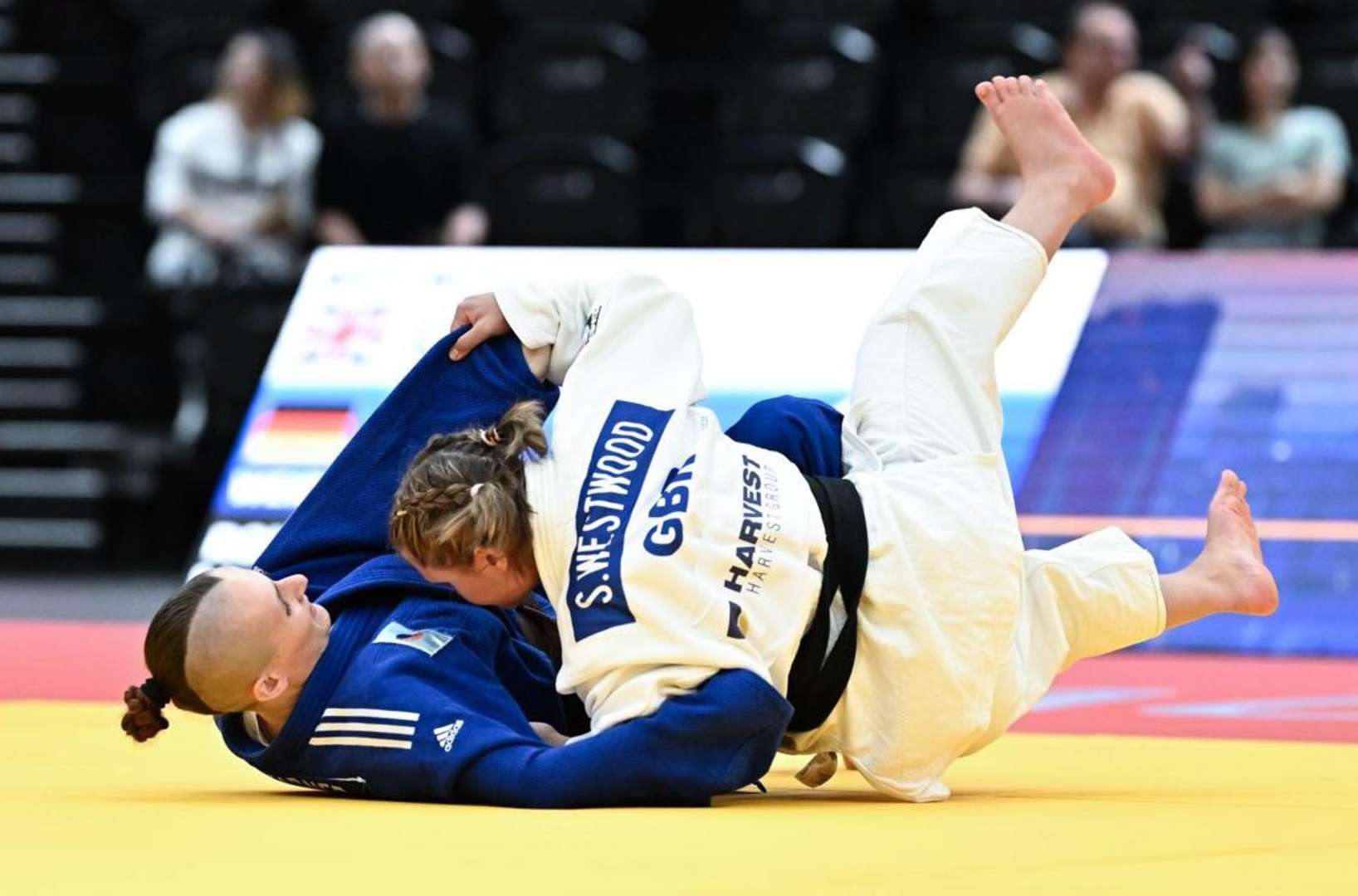
That work led to the five levels now used in adapted judo, as well as to a more consistent international framework. At the centre of it is divisioning: ensuring that the athletes are placed in the right category, alongside opponents whose profile and needs are appropriate. “It is the key,” Tansey insisted. It is not a matter of separating people but of creating the conditions in which every athlete can compete safely, confidently and meaningfully.
On the tatami, the differences are often far less visible than people might expect. The desire to perform is the same. The wish to produce beautiful judo is the same. The pride of putting on a judogi, stepping forward and representing oneself, one’s club and one’s country is exactly the same. Adapted judo exists not to lower ambition but to make sure that everyone can pursue it in the best possible conditions.
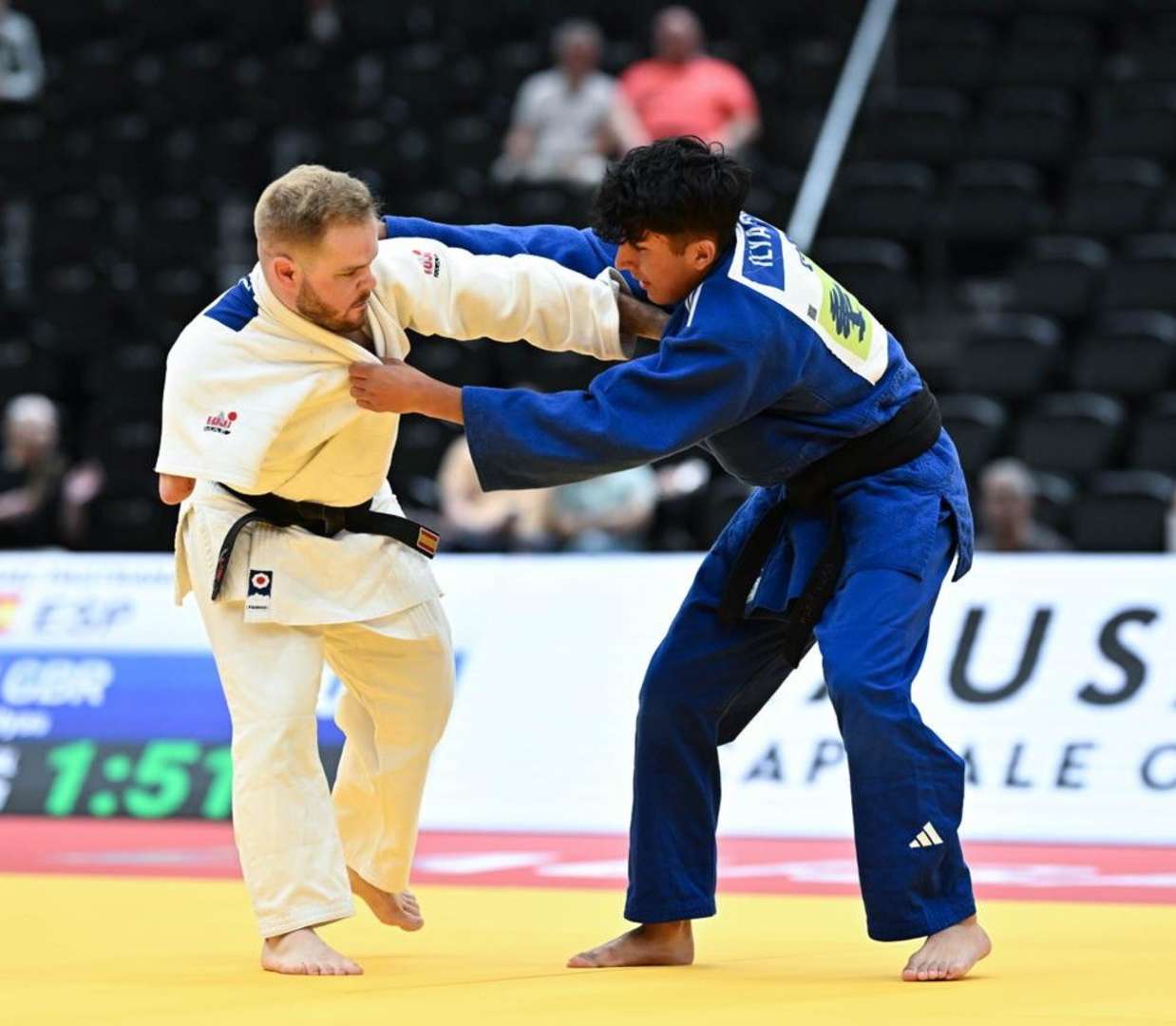
“The rules are broadly the same,” Tansey explained. “For groups one and two, the adaptations are still quite limited. There are no dropping movements or sutemi-waza and no armlocks. Some athletes do not have the same level of sensation, so there could be a greater risk of injury. As we move through the levels, more rules can be adapted according to the disability.” The result is one international set of rules, built carefully and responsibly around the wellbeing of the judoka, while retaining the essence of the sport.
For Kerry Tansey, one of the most important advances has been the ability to recognise disabilities which are not always visible immediately. In the past, some federations knew how to create activities when a disability was evident but did not always know what to offer athletes whose challenges were less apparent. “Those people did not fit into any box,” she said. “Through the work of everyone involved, we have been able to create those boxes, to the benefit of all. Everybody has a place in judo, absolutely everybody.”
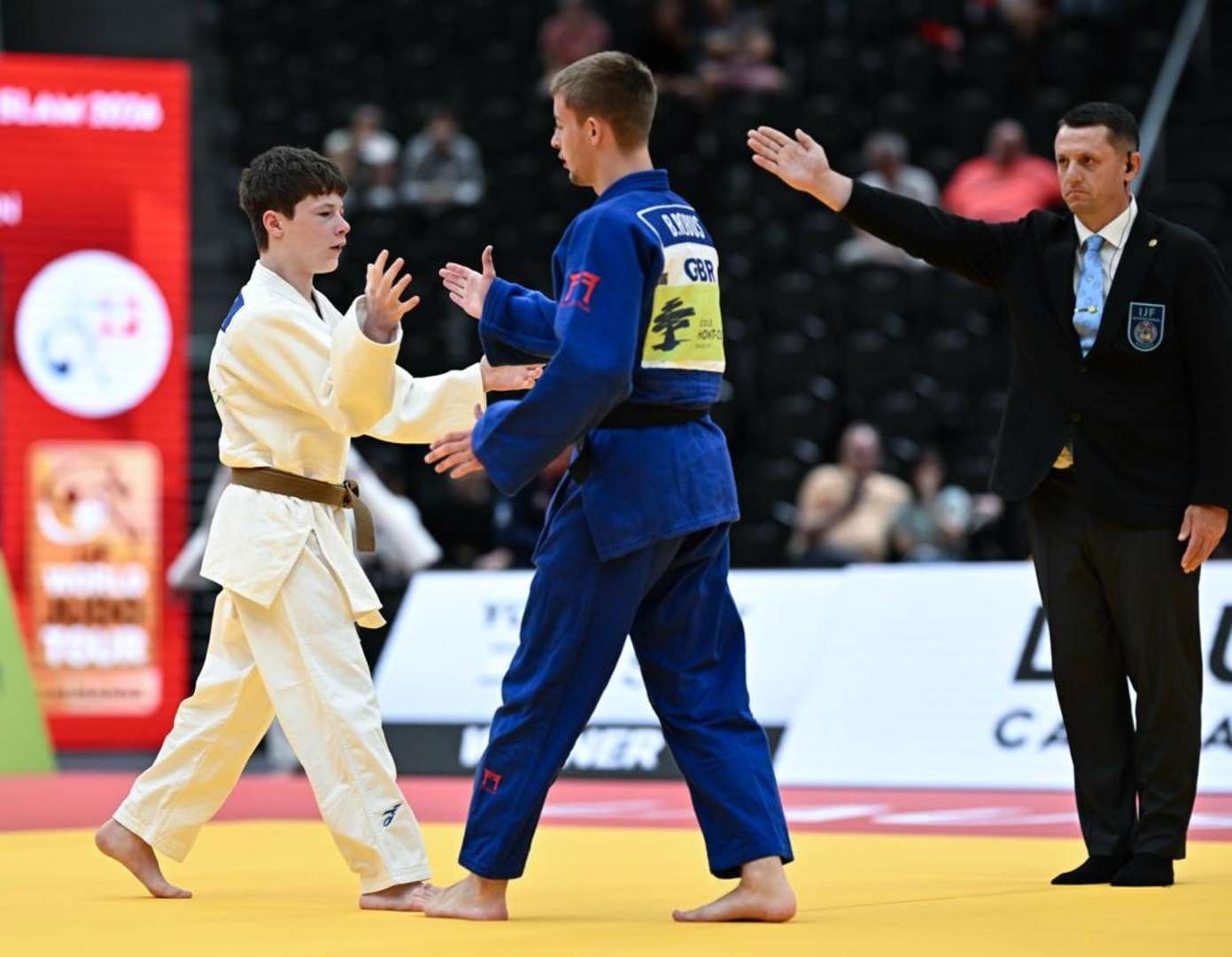
In Lausanne, that conviction has become visible in the most powerful way possible. World Judo Tour athletes and adapted judo athletes are competing in the same arena, on the same tatami, as part of the same great occasion. “It has been amazing to see all these judoka competing together in the same venue,” said Tansey, her emotion impossible to hide. “I am incredibly proud. My stomach is in bits. Thank you to Sergei Aschwanden, to the International Judo Federation and to the European Judo Union for making this possible and for inspiring the world.” She wants more events like Lausanne, more education, more co-operation with national federations and more opportunities for judoka everywhere.
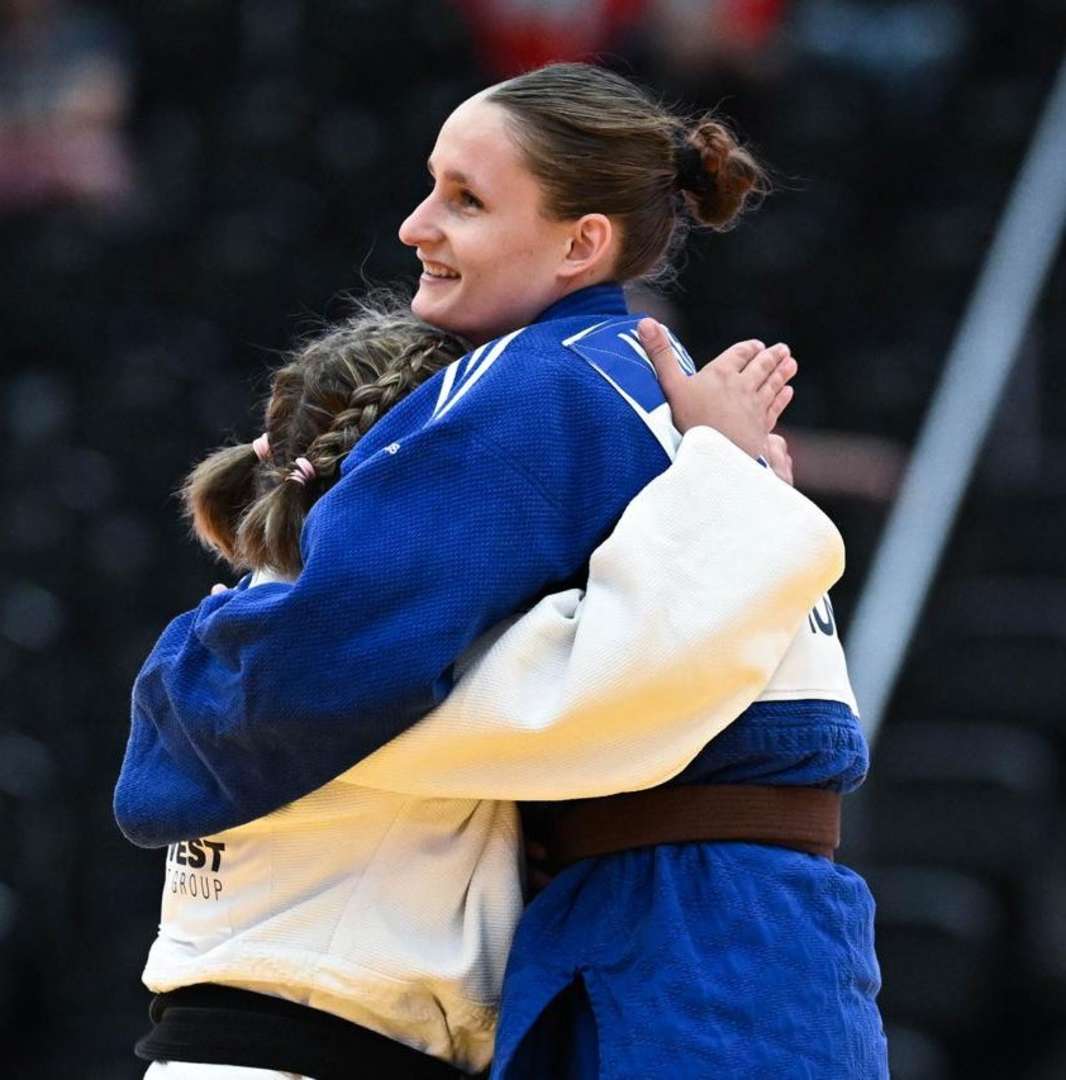
Yet beyond the technical framework, the classifications and the rules, there is something else that defines this group. “It is a family,” she said, without hesitation. “They all play together. They went together to see the lake. They are a real family. Together, they gain confidence and recognition. Being here is a challenge for them but they are rising to it.”
Tansey works closely with Marina Draskovic who supports the many essential elements taking place behind the scenes, while Tansey focuses on technical matters, divisioning, education and coaching. Having started judo at the age of nine, she became involved in adapted judo while working in development for British Judo. She has never regretted that choice. In Lausanne, she is simply happy because these athletes, her athletes one might say, are doing judo. Nothing less. Nothing different. Just judo.