
The first day of the Ecole Mont-Olivet Lausanne Grand Slam opened a new chapter for judo in Switzerland. For the first time, the World Judo Tour arrived in the country for a grand slam event, transforming the Vaudoise Arena into a vibrant home for international judo. From the opening contests, the significance of the occasion was clear: a new venue, a new public and a field of athletes determined to leave their mark on an event that was already making history.
Alongside the World Judo Tour contests, Lausanne also hosted the Ecole Mont-Olivet Lausanne Adapted Judo Grand Slam, with athletes competing on the same tatami and within the same arena as the mainstream event. Focused on judoka with intellectual disabilities, autism, limb impairments and cerebral palsy in the first two classification levels, the event gave a powerful illustration of the principle that judo belongs to everyone. Sharing the stage with the world’s leading athletes was far more than a symbol, it was a clear demonstration of inclusion in action and a memorable first for the Lausanne Grand Slam.
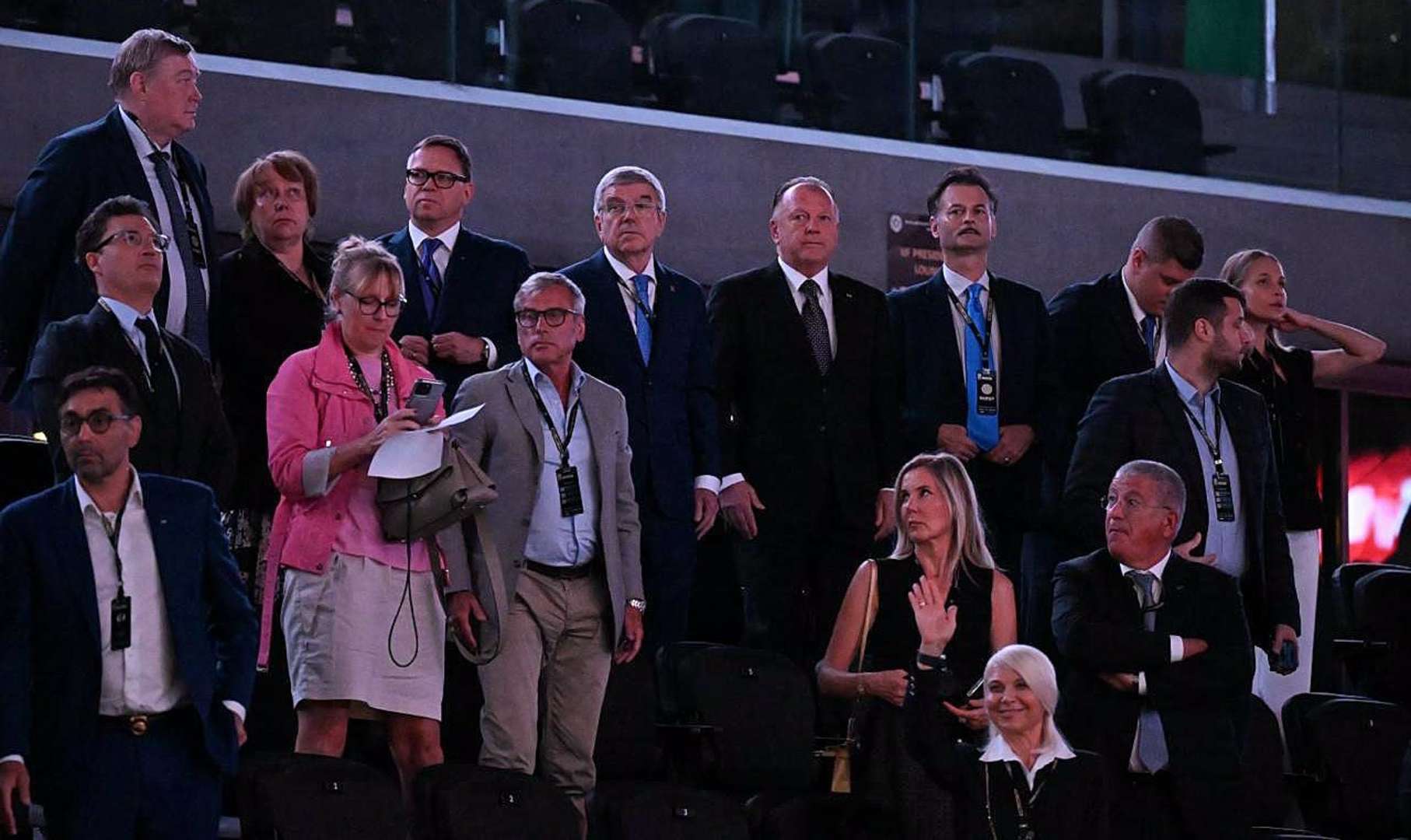
Alongside IJF President Marius Vizer and the many guests who attended this successful first day was IOC Honorary President for Life Mr Thomas Bach.
During the WJT grand slam, five categories produced five memorable gold medal contests, with the opening day combining established champions, emerging talent and career-defining moments. At -48 kg, Marina Vorobeva (RUS) announced herself, defeating Laura Martinez Abellenda (ESP) with authority to win the first grand slam gold medal of her career. Clarice Ribeiro (BRA) also celebrated a first grand slam medal, while Hui Xinran (CHN) added another podium finish to her growing record.
Japan’s new generation then came to the fore in the men’s lightweights. At -60 kg, Yamato Fukuda (JPN), only 20 years old and already a double junior world champion, needed little time to produce an emphatic ippon against Harim Lee (KOR). It was a performance that confirmed the depth of Japanese judo and the arrival of a major senior talent. Samariddin Kuchkarov (UZB) and Michel Augusto (BRA) completed a bronze medal line-up decided only after demanding golden score contests.
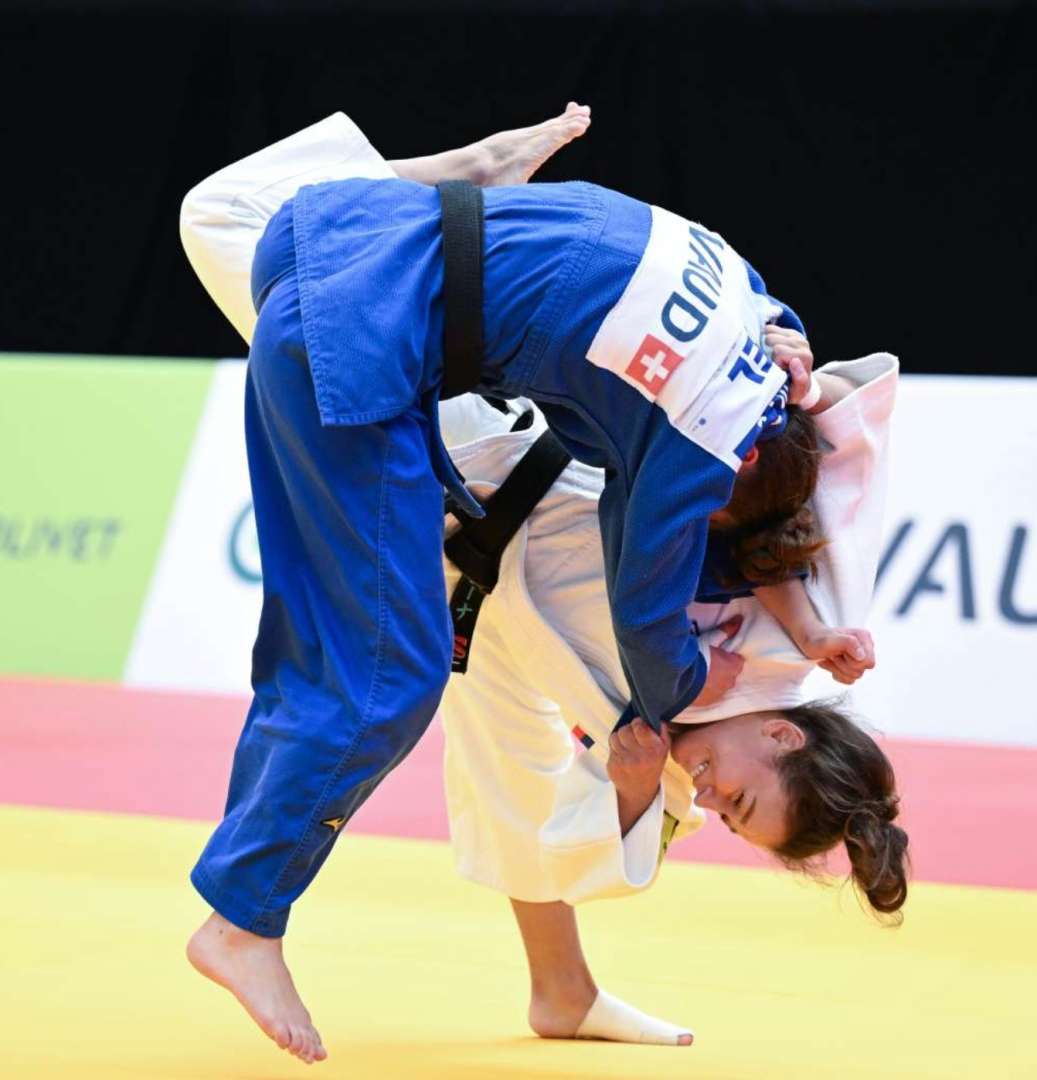
At -52 kg, Gefen Primo (ISR) prevailed in a gripping final against Blandine Pont (FRA), claiming gold after an intense contest in which neither athlete gave much away. The Israeli judoka’s experience proved decisive, while Ariane Toro Soler (ESP) and Rafaela Rodrigues (BRA) took bronzes. For Rodrigues, it was a first grand slam medal, another milestone in a day defined by new achievements.
The -66 kg final guaranteed Japanese gold and delivered a moment of exceptional quality. Kairi Kentoku (JPN) and Shinsei Hattori (JPN) pushed each other to the limit before Kentoku produced a magnificent uchi-mata four minutes into golden score. It was a fitting conclusion to an all-Japanese final which reflected the remarkable strength of men’s judo in the country. Ramazan Abdulaev (RUS) and David Garcia Torne (ESP) secured the bronze medals.
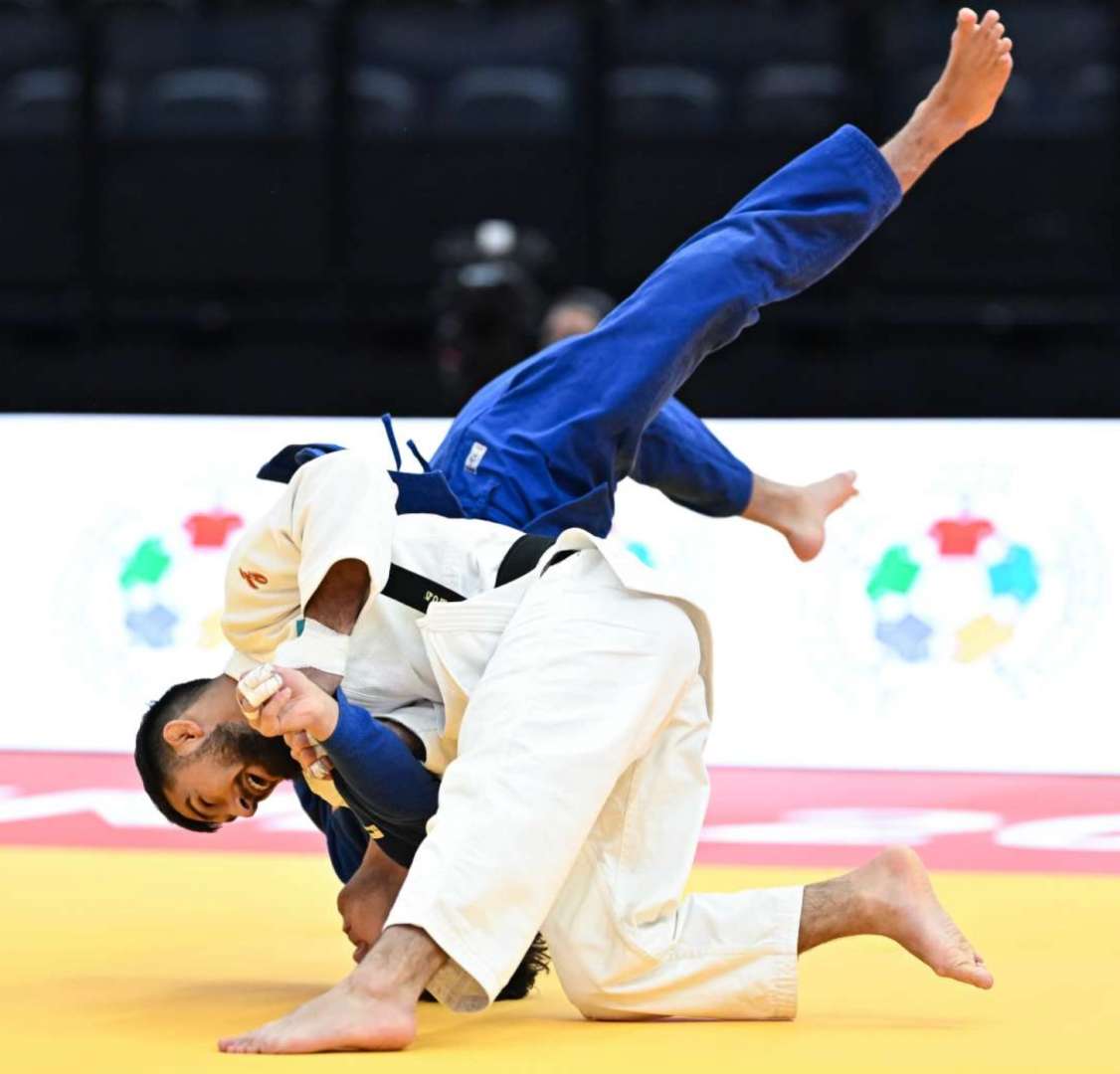
The final gold medal of the day belonged to Eteri Liparteliani (GEO). The reigning world champion, Olympic bronze medallist and first Georgian woman to win an individual world title had faced Sarah Leonie Cysique (FRA) in one of the day’s most anticipated finals, at -57 kg. After a balanced opening, Liparteliani delivered a spectacular hip throw for ippon, underlining once more why she stands among the leading figures of the category. Giulia Carna (ITA) and Ayami Takano (JPN) completed the podium.
There could hardly have been a stronger opening for a first grand slam in Switzerland. Lausanne had welcomed the world’s best judoka, celebrated new champions and witnessed moments that will remain part of the event’s history. The tatami had spoken clearly; this was not simply a new stop on the World Judo Tour, but the beginning of an ambitious and memorable new chapter.