
Few people have devoted as much time, thought and energy to the development of inclusive judo as János Tardos. After many years at the heart of Paralympic judo, he now chairs the International Judo Federation Inclusion Commission, established at the invitation of IJF President Marius Vizer.
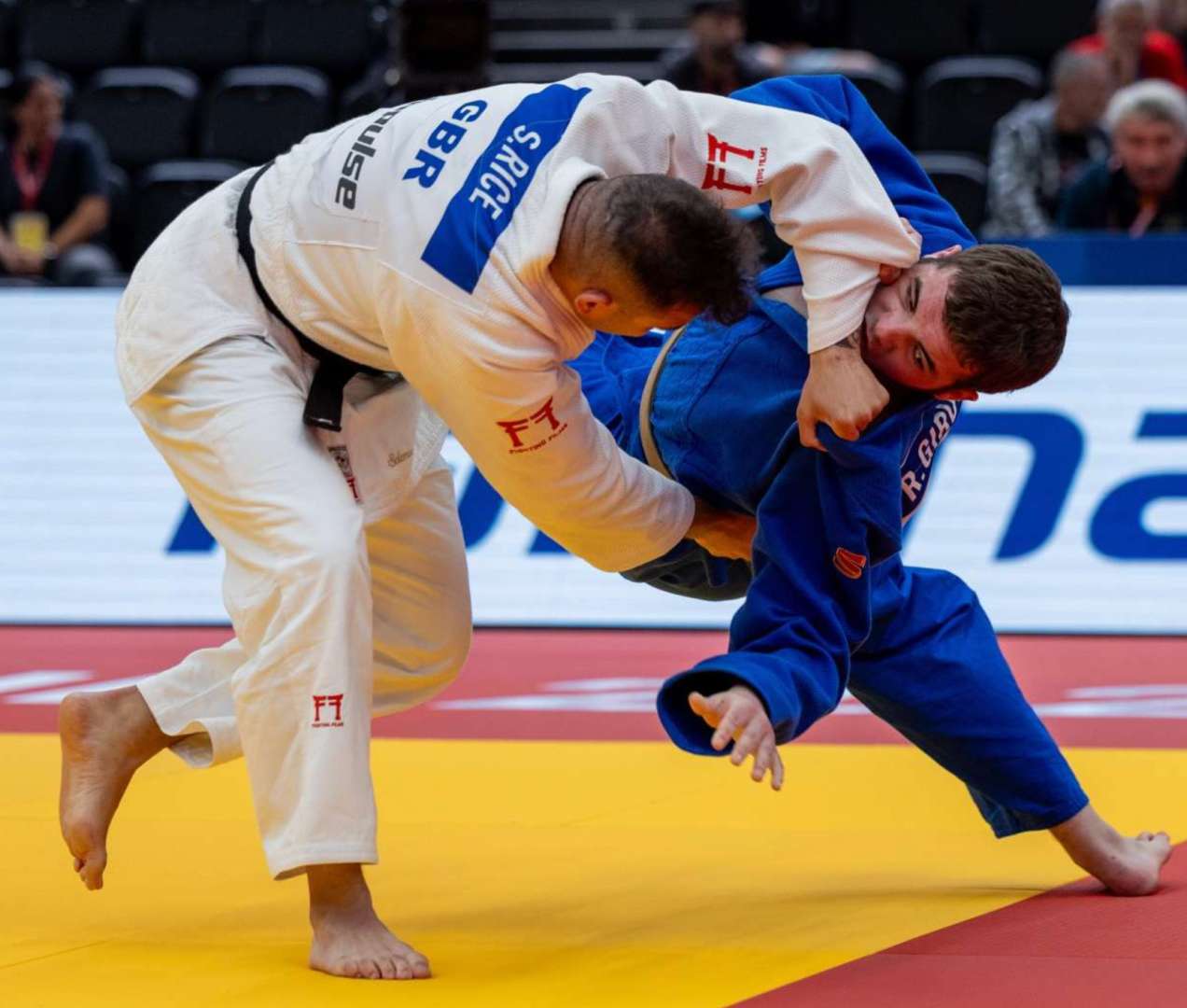
The first Ecole Mont-Olivet Lausanne Grand Slam gave his work a historic setting. Alongside the World Judo Tour competition, the Vaudoise Arena hosted an adapted judo event and the Deaf Judo Masters. For the first time, high-performance judo, adapted judo and deaf judo shared the same arena, the same tatami and the same public attention.
For Janos Tardos, the significance of those days on the shores of Lake Geneva was clear. “Yasuhiro Yamashita’s message during the opening ceremony was that judo is only one family,” he explained. “It does not matter whether we speak about mental or physical differences. Based on the ideas of Jigoro Kano, the techniques are the same, the tatami is the same and the rules are almost the same. There are only small differences to guarantee the security of everyone.”
That principle may sound simple, but it carries a far-reaching ambition. Inclusion cannot be reduced to creating parallel competitions in the same venue. It must allow every judoka to be visible, respected and understood as part of the same sporting community.
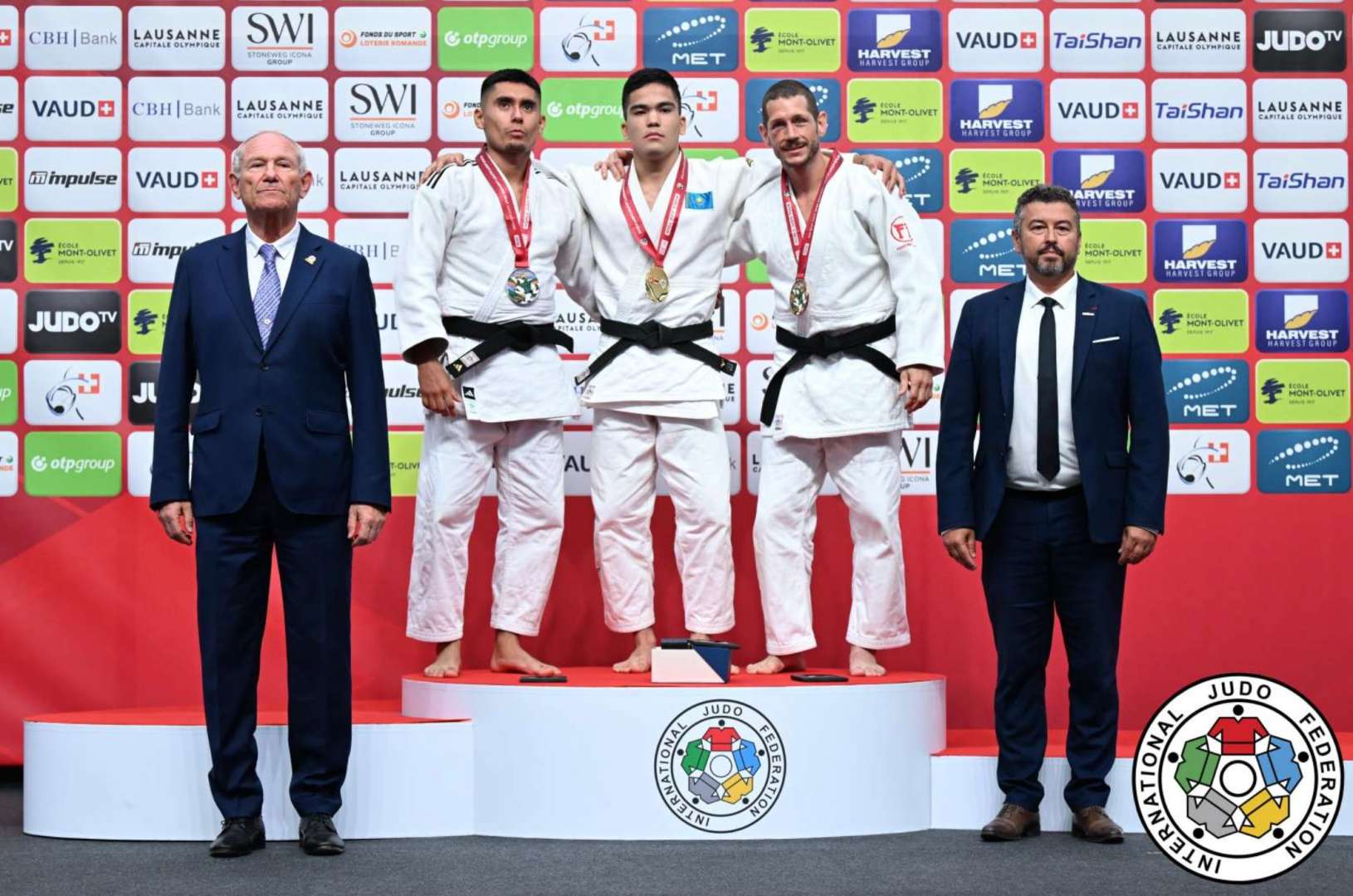
Tardos believes that judo must develop along two complementary paths: mass participation and competition. “Both are interesting and both are important,” he said. “Competition is interesting for spectators, but we must focus on both.”
At the highest levels of adapted judo, the objective is naturally sporting excellence. The question is the same as in any elite competition: who is the best? Tardos hopes that the first two levels of adapted judo will continue to develop towards a stronger place within the Paralympic movement.
Yet the value of judo cannot be measured only by medals, rankings or qualification. For the other levels, including recreational and therapeutic practice, success takes a different form. “There is an absolute level and a relative level,” Tardos explained. “In competition, we ask who is the best, it’s absolute. For all the others, we ask how they develop themselves. This is relative.”
This distinction is central to his understanding of inclusion. Judo helps people develop physical movement, mental strength and self-confidence. It can improve competitive ability, but it can also help build a personality, create relationships and open people to others. “Judo is a very complex movement,” he said. “It involves every aspect: physical and mental. When you succeed, you generate dopamine. You feel happy.” And that is exactly what is needed: happiness and respect.
For Tardos, this is why judo is such a powerful tool. It provides a structured environment in which people can challenge themselves, improve and experience achievement, whatever their starting point. The aim is simple: to allow more and more people to practise judo and to make the sport genuinely open to everyone.
However, inclusion also requires understanding from the wider public. During the Paralympic Games, Tardos recalled how explanatory films and commentators helped audiences grasp the specificities of the competition. “Ordinary people do not always understand the real value,” he said. “Sometimes we are afraid of people who are different. Sometimes we refuse to see it. That is why transparency is important.”
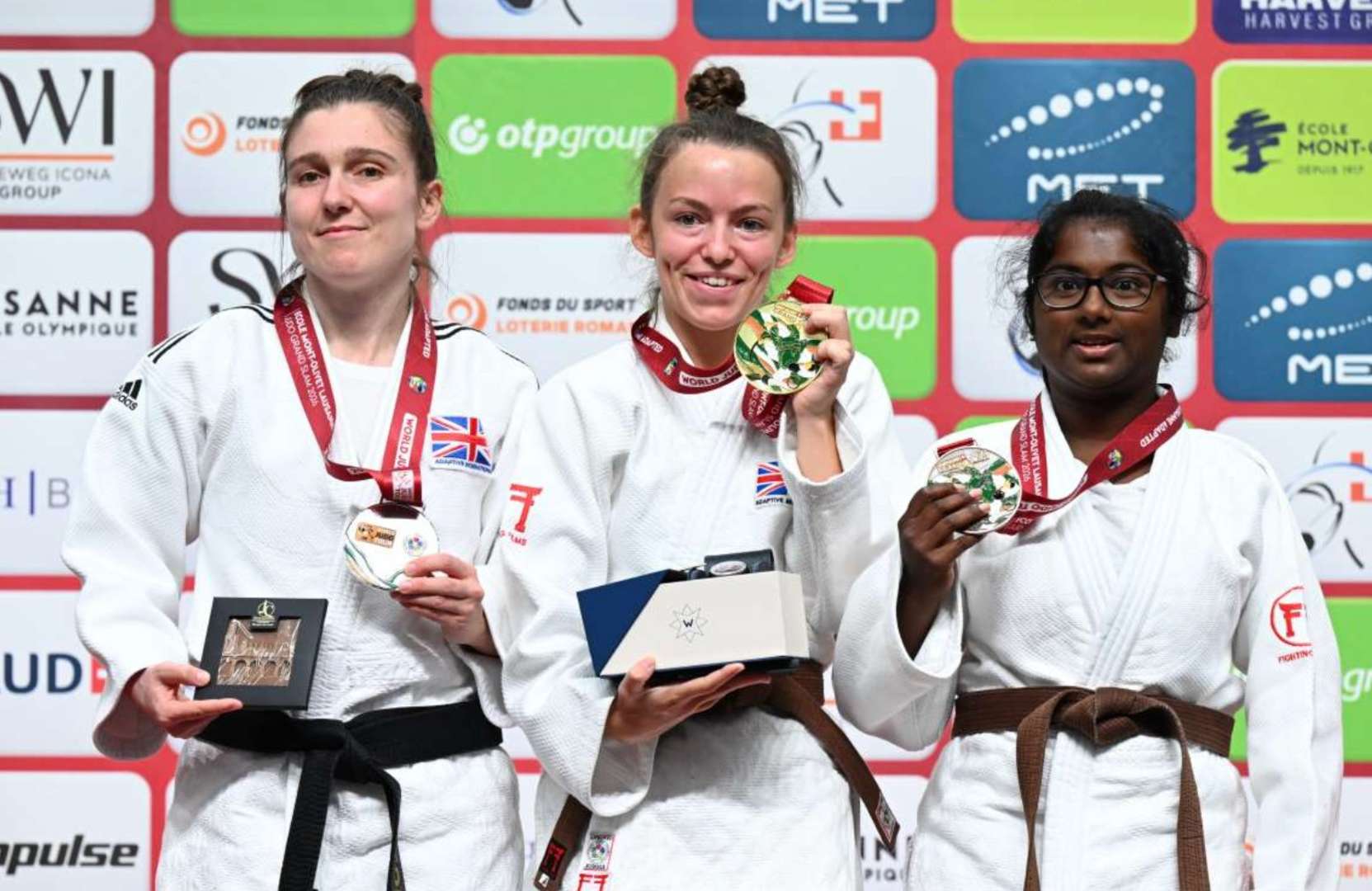
Disseminating knowledge is therefore one of the central tasks of the new IJF Inclusion Commission. Created in November 2025 at the request of President Vizer, with work beginning in January, the commission has started by analysing the diverse realities brought together under the broad term of adapted judo. Its next task is to turn that analysis into practical tools. The commission is already working with the IJF Academy and the IJF Refereeing Commission to develop an educational structure that can support the growth of adapted judo worldwide.
“We are beginning to create the product,” Tardos explained. “Adapted judo should become part of the full structure of the IJF Academy.” The preparation phase is expected to be completed within a year, before implementation can begin. Refereeing will be another essential component. Additional education is being prepared, ensuring that officials understand the particularities of the different categories while working within a coherent international framework.
Everything, Tardos insists, must remain under the umbrella of the IJF, not to erase differences but to ensure quality, consistency and respect. Lausanne offered a glimpse of what that can mean in practice: different pathways, different experiences and different needs, but one sport and one judo family.