
In a few hours, the lights will fade at the Vaudoise Arena and Lausanne will return to its usual calm. Before that moment comes, the first Ecole Mont-Olivet Lausanne Grand Slam will leave behind far more than three days of world-class competition. It will leave a foundation for the future of Swiss judo.
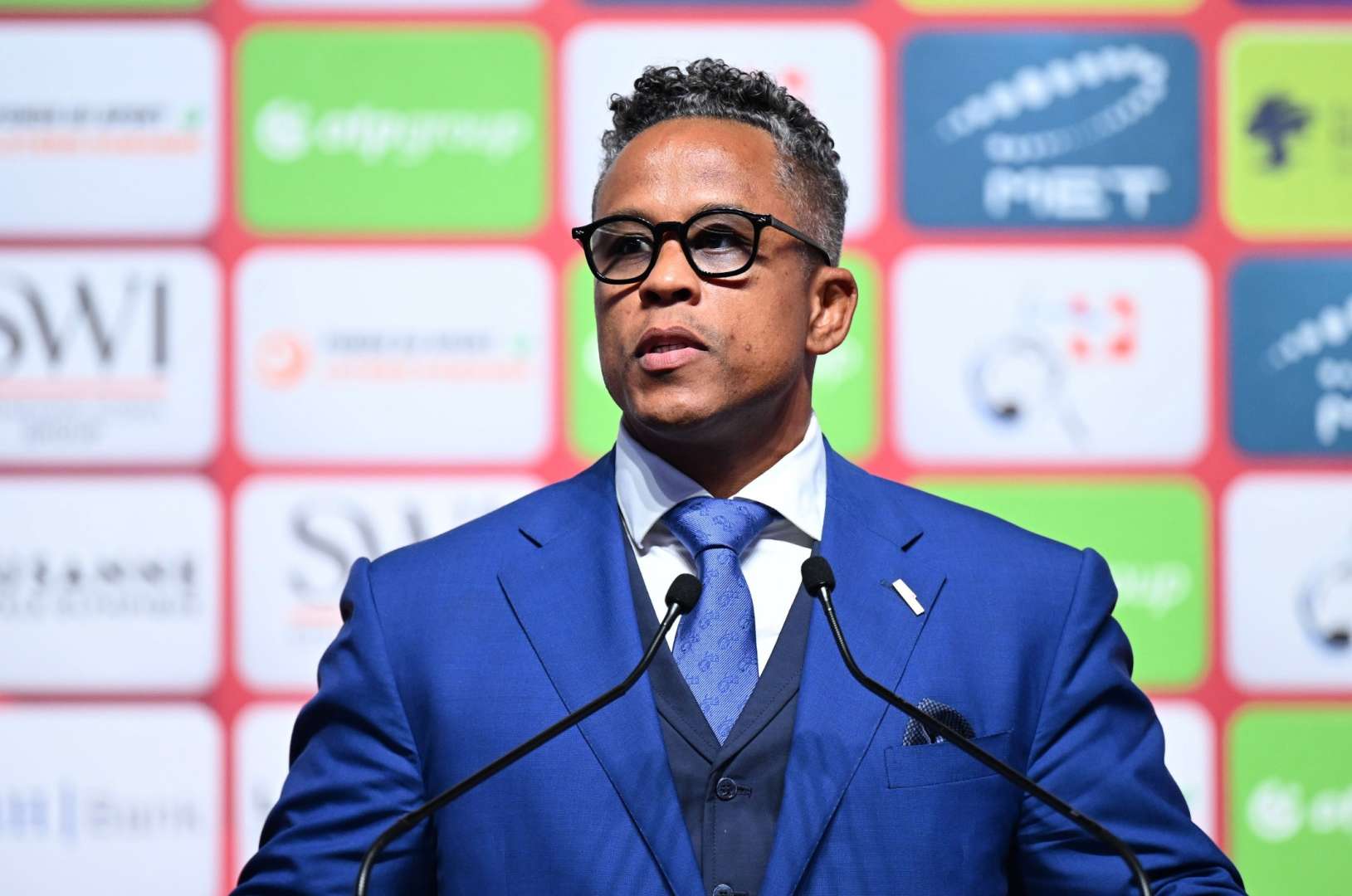
Sergei Aschwanden
For Sergei Aschwanden, the president of Swiss Judo and one of the driving forces behind the project, the inaugural edition delivered on its promise, “I am satisfied with this first edition,” he said. “From an overall point of view, it has been a great success. We were ready and I want to thank everyone involved in the organisation, from the volunteers to the authorities of the Canton of Vaud and the City of Lausanne, as well as our partners. I would like to make a special mention of Ecole Mont-Olivet, whose name and educational vision were associated with our event.”
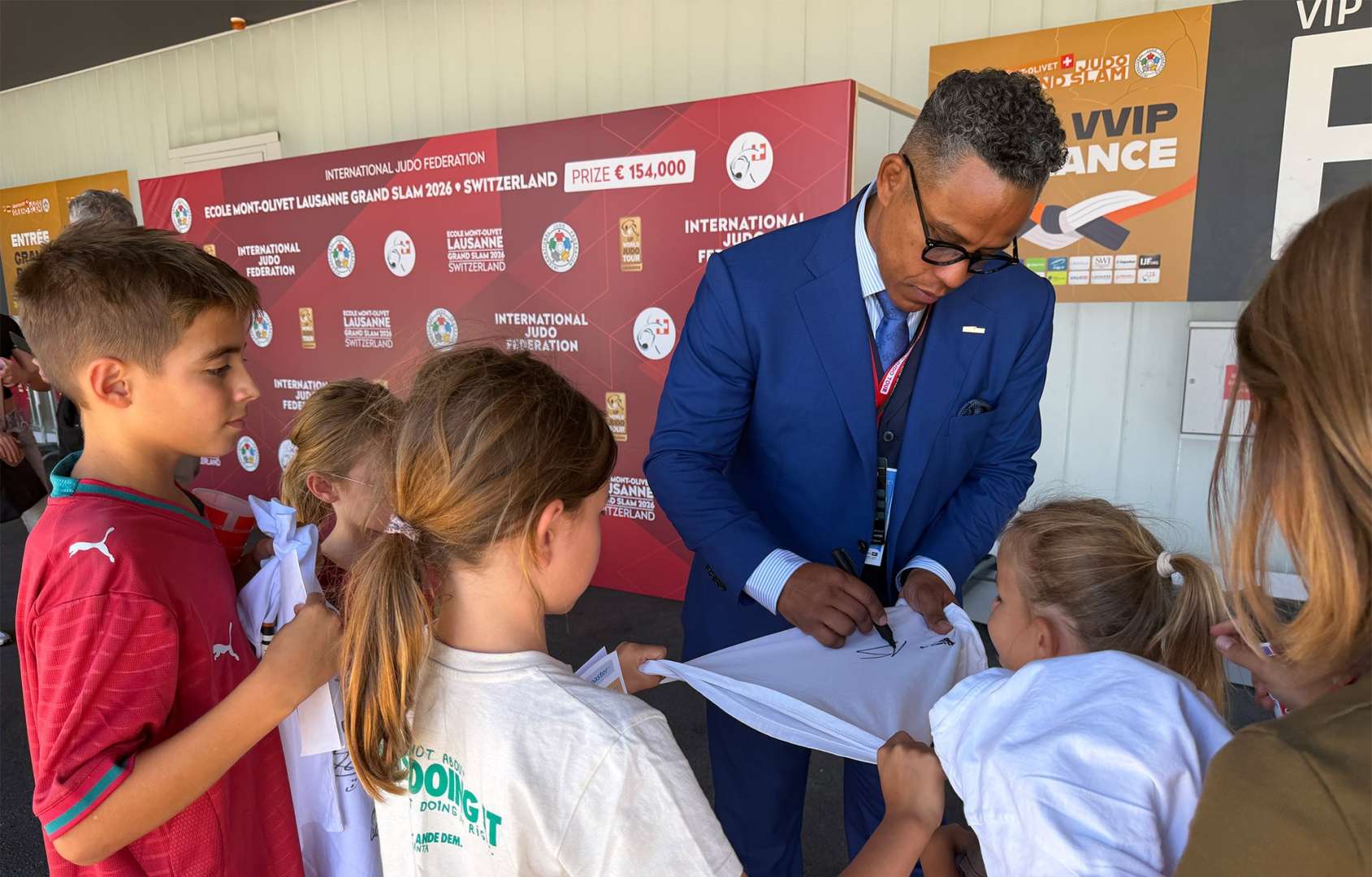
The response from the public was equally encouraging. With 12,500 tickets sold from 15,000 available, Lausanne demonstrated a strong appetite for elite judo from its very first grand slam. “For a first edition, that is very good,” Aschwanden said. “We can only grow from here.” The event also attracted substantial international and local media attention, offering a valuable platform for both Swiss judo and the region.
Aschwanden was keen to acknowledge the support of the International Judo Federation and President Marius Vizer, “Without their trust and their almost daily support during the preparation phase, we would not be here today,” he explained. He also recognised that the conclusion of a first edition must be the beginning of a detailed analysis. “When you begin an adventure like this, there are always things to review so that the next edition can be even better. We are on the right path, even if I already know that there are details to refine and improve. To be honest, the opposite would be abnormal.”
On the tatami, the quality of the entry list offered another reason for optimism. Major names of the sport took part in Lausanne at the very beginning of the Olympic qualification period. Next year, the event will sit even more firmly at the heart of the race towards Los Angeles 2028. By then, Swiss judo will also be preparing for a great milestone, the 2028 World Championships, the hosting agreement for which was signed during the weekend.
For Aschwanden, however, the defining memory of the week came away from the results. “If I have to retain one strong moment from these three days of competition, it is the opening ceremony. It was very, very powerful emotionally, with beautiful messages being conveyed. That is how I see judo. It is all about transmitting values and sharing.”
Those values were visible throughout the event, in the inclusion of adapted and deaf judo alongside the World Judo Tour, in the public’s response and in the local identity of the grand slam. Watches, Swiss chocolate and other Swiss souvenirs being offered to the winners gave the event a distinctly Swiss signature, while Lausanne itself was presented to the world as a city capable of welcoming a major international sporting occasion.
“We did well this year,” Aschwanden concluded. “We will do even better next year, before reaching a peak in two years’ time with the World Championships, 55 years after the last edition was held here in the city. It will be a great sporting occasion.”