
Published on 11 November 2026 at 04:30. / Updated on 11 November 2026 at 21:06.
4 min. read
The content has been automatically translated using AI. Some sections may contain errors or remain in French. This feature is currently in testing; we welcome your feedback.
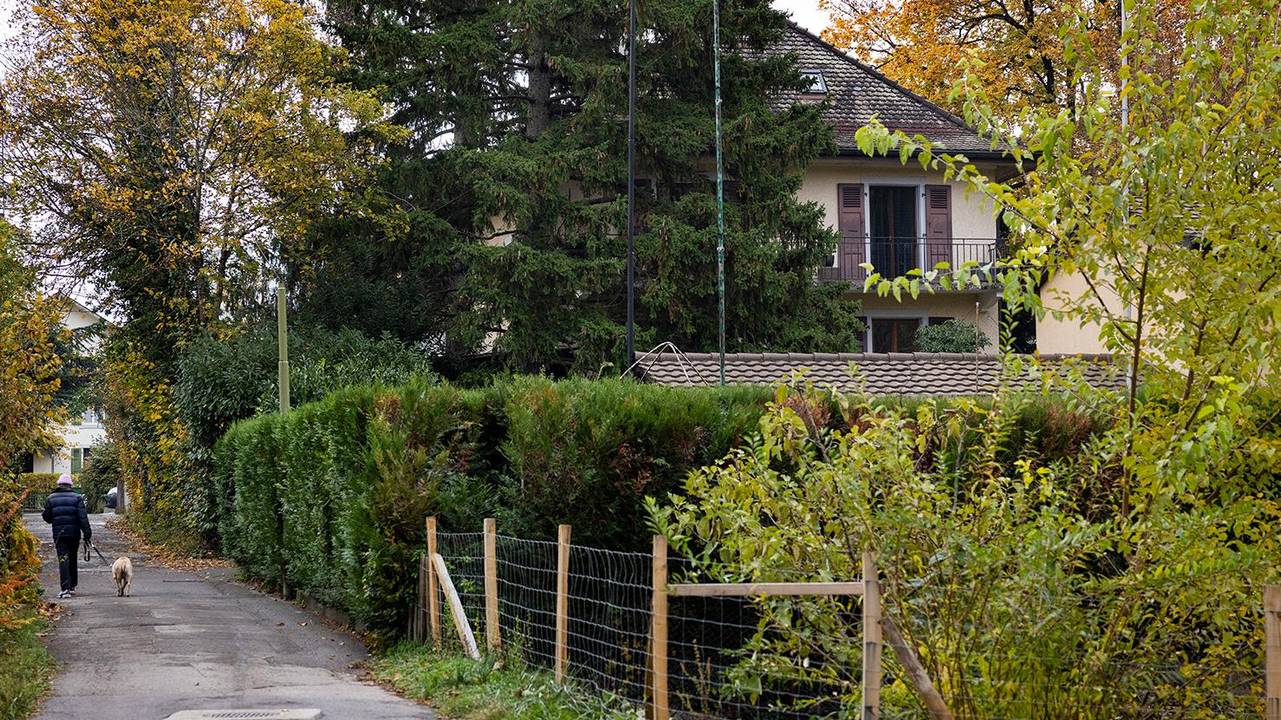
In Chêne-Bourg, the Boulangerie Monnard has been an institution for more than half a century, prized as much for its pastries – its semi-frozen vacherin and its passion fruit or raspberry mousses – as for its terrace and its pétanque pitch. Standing at the start of an avenue that runs from the village square to the Belle-Idée psychiatric hospital, it serves as a gateway to a neighbourhood of villas, one of only a handful of villa neighbourhoods still surviving in central Geneva. “It’s called Seymaz-Sud because the river lies just below,” says Pauline Monnard softly in the autumn mist. She is the granddaughter of the founder of this tea room, whose family still owns the premises.
A privileged, leafy setting on the edge of the city centre, bordered by cyclists streaming along the greenway. Excellent public transport links: the Léman Express stops nearby, as does the tram. Two schools in the vicinity. Constrained by the small size of their territory and the impossibility of expanding further onto farmland, the Geneva authorities are pursuing the ambition of “building the city within the city”. In this respect, Seymaz-Sud ticks almost every box. For once, most of the owners of the plots concerned are in favour of this densification. “Of the fifty or so owners, around 40 are for it,” says Pauline Monnard, who represents some thirty of them through the association “Logements maintenant” (Housing Now), which she chairs. Initial sketches envisage several hundred new homes in this 30,000 m² area.