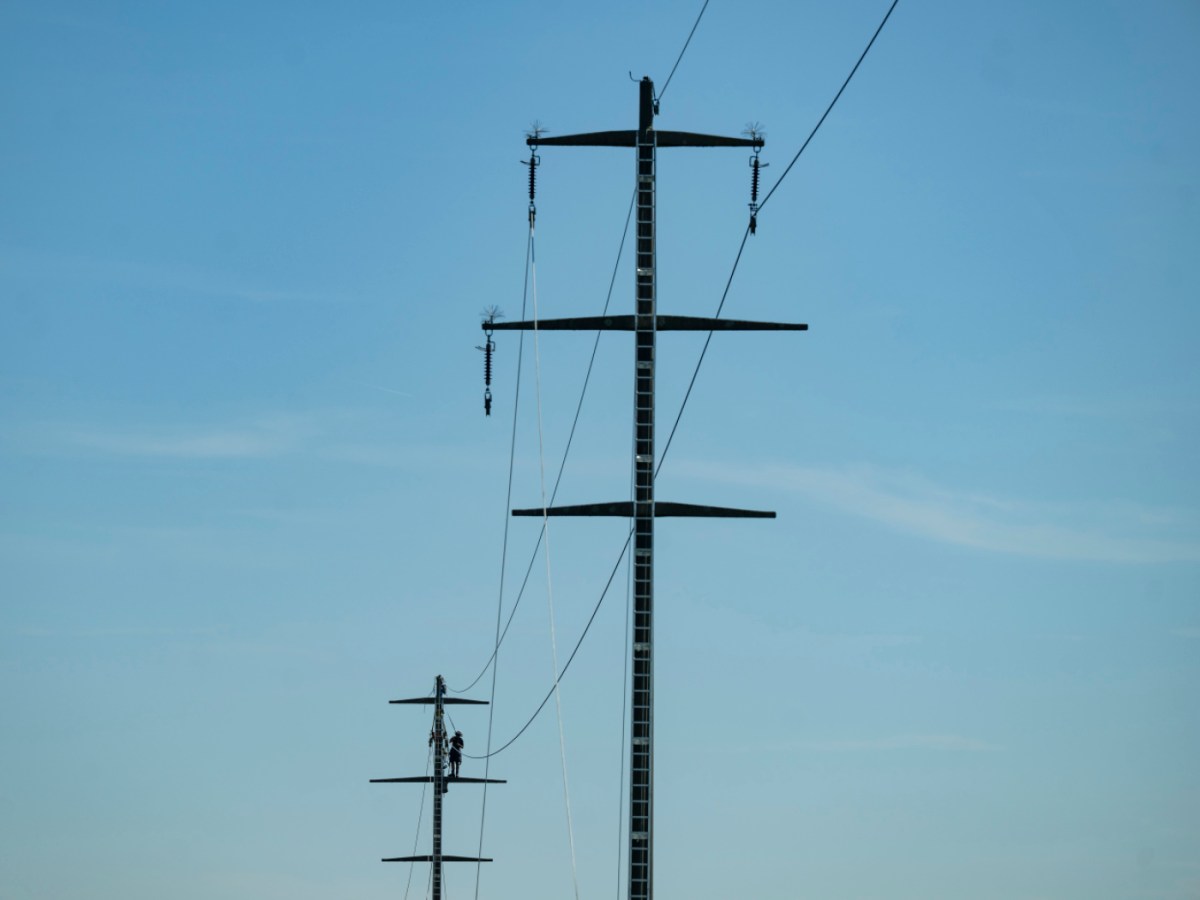

Critical infrastructure includes, for example, the electricity and drinking water supply.
Keystone-SDA
In recent days, the federal government has received its first reports of cyberattacks on critical infrastructure carried out with the aid of AI agents. These incidents signal a shift in the cyber threat landscape, according to the Federal Office for Cyber Security.
Listen to the article
Listening the article
Toggle language selector
English (US)
English (British)
Generated with artificial intelligence.
This content was published on
November 26, 2026 – 09:37

There are currently five confirmed cases, Florian Schütz, director of the Federal Office for Cyber Security, told Swiss public radio SRF on Thursday.
According to him, three of these attacks targeted critical infrastructure, and in two cases the attacks were successful. Schütz said there were no major disruptions in this context. It is still unclear who was behind the attacks.
More

More
Foreign Affairs
Cyberwar brings frontline to heart of European infrastructure
This content was published on
Apr 27, 2026
The threat of malicious attacks on Swiss power, telecommunications and transport is rising.
Read more: Cyberwar brings frontline to heart of European infrastructure
Critical infrastructure includes, for example, the electricity and drinking water supply. Critical infrastructure across at least two sectors was affected, the Federal Office stated on Tuesday. Private companies had also been attacked using AI programmes.
Rapid change in strategy
The attackers use AI programmes to independently search for vulnerabilities and to carry out attacks, the office reported. Artificial intelligence detects easily guessable passwords or security flaws in software in a fraction of the time it would take a human to do.
+ Swiss companies are not ready for AI-enabled cyberattacks
Furthermore, the systems switch flexibly to other attack methods in response to defensive measures. According to the office, companies have significantly less time to detect attacks and respond to them appropriately.
Since October 2026, the number of AI agents freely accessible on the internet has almost doubled. Their increasing use is leading to faster and more frequent cyberattacks with a correspondingly higher chance of success. According to the Federal Office of Cybersecurity, the attacks can target organisations of all kinds.
To defend against these attacks, it recommends a significant reduction in the number of systems accessible via the internet. In addition, the federal government advises, among other things, installing security updates as quickly as possible, implementing strict access restrictions and ensuring comprehensive multi-factor authentication.
+ How we produce news in English
Translated from German, reviewed by an English Department journalist.

Articles in this story