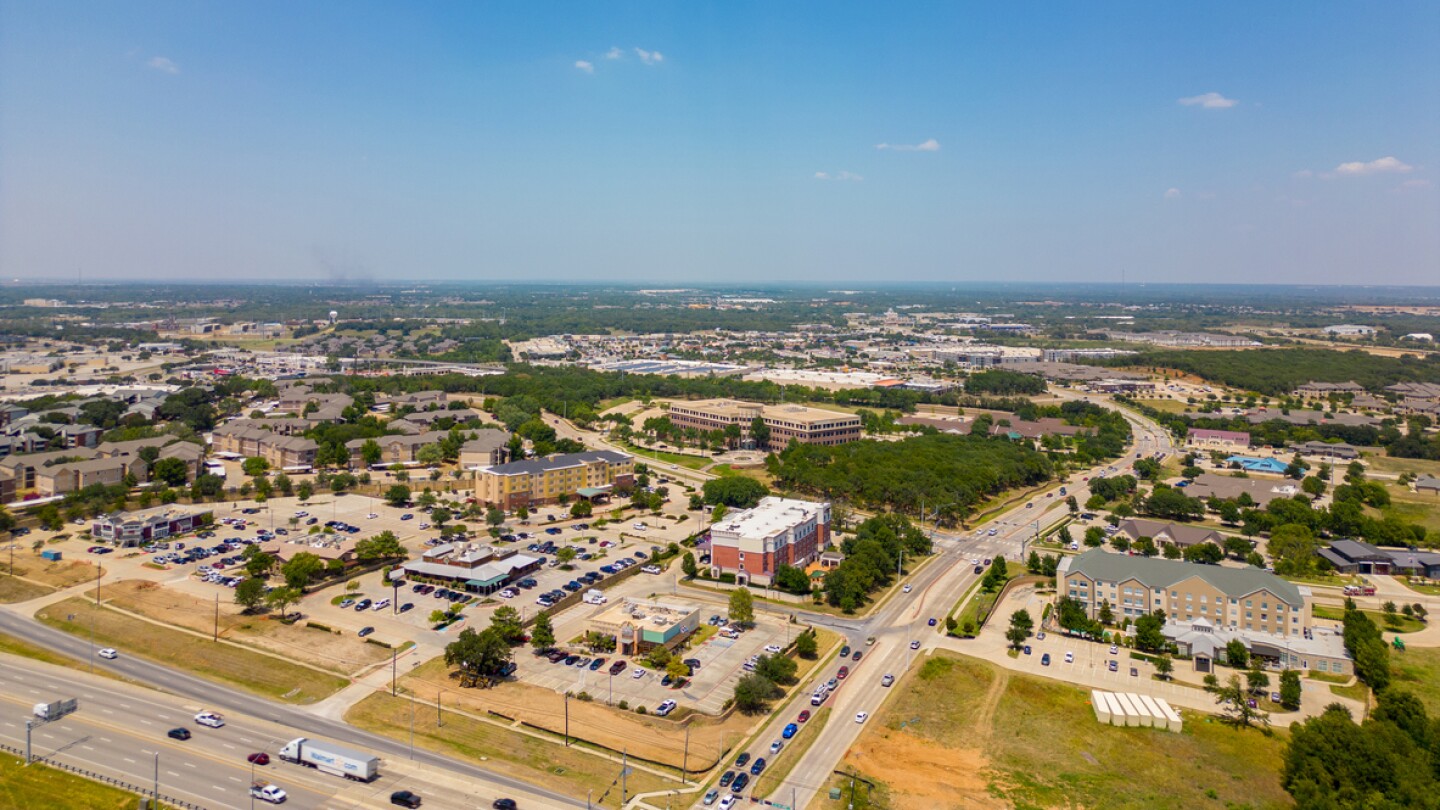
Novartis has picked Denton, Texas, in the Dallas-Fort Worth metro area as the site of its fifth radiopharmaceutical manufacturing facility in the U.S.
The Swiss drugmaker plans to start building the facility this year. Once fully operational in 2028, the 46,000-square-foot facility will make radioligand therapies (RLTs) for patients in the southern U.S. The company sells the RLTs Lutathera and Pluvicto to treat neuroendocrine tumors and prostate cancer, respectively, and has other anticancer radiopharmaceuticals in development.
Because radioisotopes decay from the moment they are produced, companies need to ship RLTs quickly to patients to ensure the effectiveness of the therapies. The ticking clock has shaped the network of RLT production facilities that Novartis is building in the U.S.

The necessity of delivering medicine days after it’s produced drives decisions about where to build facilities and how to ship radioactive materials to healthcare providers.
February 24, 2026
·
3 min read
·
Novartis received FDA approval to supply Pluvicto from a production plant in New Jersey in 2023 and added a facility in Indiana to its manufacturing network in 2024. The company began building a facility in California and expanding the Indiana manufacturing plant later in 2024, giving it RLT production sites on both coasts and in the Midwest.
The drugmaker committed last month to building a 35,000-square-foot facility in Winter Park, Florida, to produce RLTs for patients across the southeastern U.S. The RLT facility in Texas will provide local capacity for another region of the U.S. “The addition of our fifth RLT manufacturing site in the US strengthens our ability to meet growing demand, building the capabilities needed to deliver these next-generation treatments with the speed and precision they require,” said Novartis CEO Vas Narasimhan in the company’s news release.
Denton City Council voted for $3.2 million in tax incentives for Novartis at a meeting in December. At that time, Novartis was seeking to buy a site formerly operated by US Radiopharmaceuticals. Brittany Sotelo, the City of Denton’s economic development director, told the council that the site has been nonoperational since 2009 and poses challenges that officials were working with Novartis to solve.
Sotelo said Novartis planned to start by removing hazardous materials and demolishing the interiors of existing buildings. The second phase of the project would focus on renovating an office and warehouse building and equipping another building for manufacturing. Sotelo said Novartis would add structures to support future operations and upgrade utilities and infrastructure in the third phase of the project.
Novartis estimated in its incentive application that the project will generate $280 million in investment and 150 to 175 jobs, including process engineers, quality control analysts and maintenance technicians, Sotelo said. According to Sotelo, Denton was a preferred site but Novartis had backup locations in other parts of Texas as of December.