

Aromat has graced Swiss tables for more than 70 years.
Keystone / Anthony Anex
A petition has been launched to preserve Swiss production of the iconic spice mix Aromat. Some 180 jobs are at stake at the historic production site at Thayngen in canton Schaffhausen.
Listen to the article
Listening the article
Toggle language selector
English (US)
English (British)
Generated with artificial intelligence.
This content was published on
April 6, 2026 – 12:13
+Get the most important news from Switzerland in your inbox
The famous yellow Aromat condiment belongs to the British Unilever group, via its Knorr brand. A proposed merger between Unilever’s food division and the United States company McCormick is raising concerns. The stated objective of the merger is to achieve cost savings, which is fuelling fears of offshoring.
More

More
Aromat: on (almost) every Swiss table for 70 years
This content was published on
Jun 13, 2024
The most Swiss spice mix has recently turned 70 years old. The accidental birth of a product that has become one of the symbols of Swiss cuisine.
Read more: Aromat: on (almost) every Swiss table for 70 years
“Our Aromat cannot fall into American hands,” Oehl told Swiss public broadcaster RTS. His petition hopes to draw the attention of the local authorities and company management to the issue.
Aromat has graced Swiss tables for more than 70 years and has is part of national identity for many people. “For me, Aromat isn’t a spice, but a childhood memory,” said Oehl.
Beyond the symbolic aspect, the stakes are also economic. A potential closure of the Thayngen site would have direct consequences for the 180 employees. For the time being, no firm decision has been made.
More
More
Swiss Abroad
From Aromat to absinthe: this is the taste of Switzerland
This content was published on
Feb 17, 2025
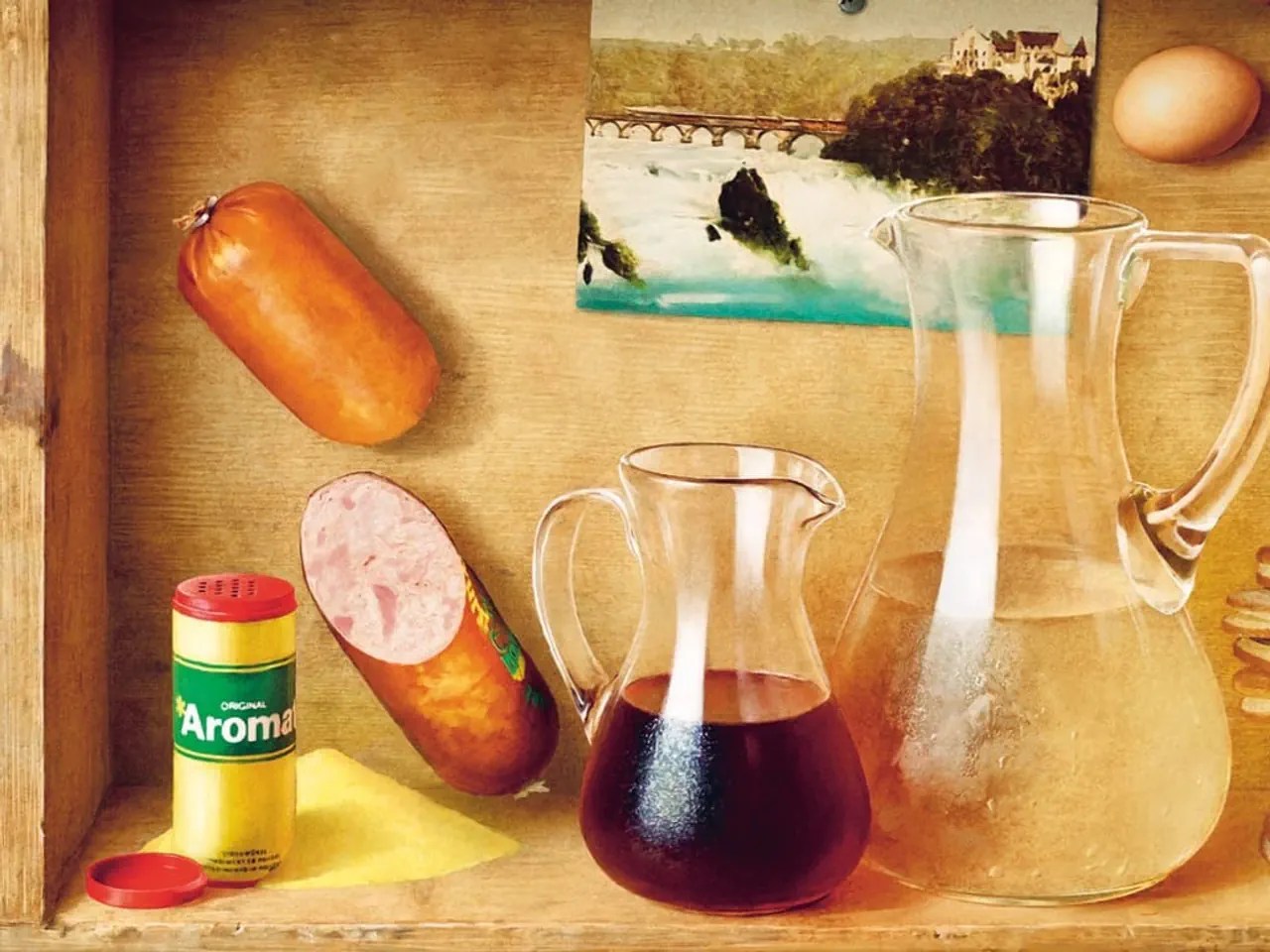
Epiphany cake, Emmental cheese, or cervelat: Switzerland’s culinary heritage is as diverse as its landscapes.
Read more: From Aromat to absinthe: this is the taste of Switzerland
Adapted from French by AI/mga
How we work
We select the most relevant news for an international audience and use automatic translation tools to translate them into English. A journalist then reviews the translation for clarity and accuracy before publication.
Providing you with automatically translated news gives us the time to write more in-depth articles. The news stories we select have been written and carefully fact-checked by an external editorial team from news agencies such as Bloomberg or Keystone.
If you have any questions about how we work, write to us at english@swissinfo.ch.
Articles in this story