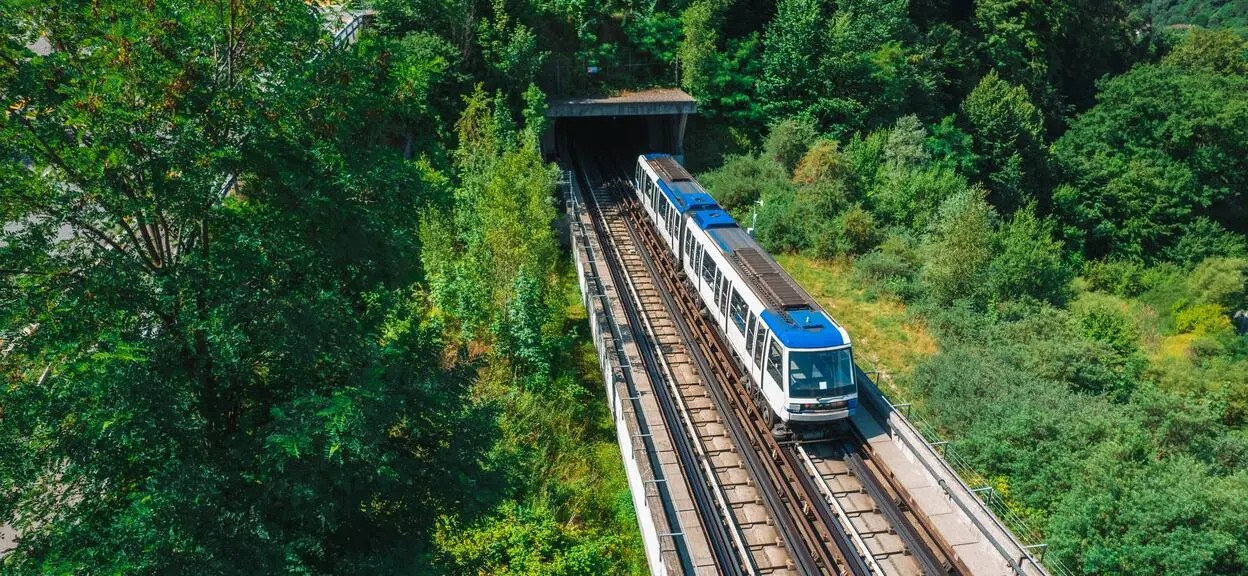
 Alstom and Transports publics de la région Lausannoise (TL) have signed a EUR 295 million contract to modernize the M2 metro line in Lausanne, Switzerland’s only metro system. The project includes the installation of a new CBTC train control system and a mid-life modernization of the existing fleet.
The M2 line is considered the backbone of public transportation in the Lausanne region. The modernization is expected to allow for increased train frequency, reduced wait times, and increased transport capacity, in the context of growing passenger demand.
More frequent trains on the same infrastructure
The new signaling system will allow trains to run closer together and with greater precision, while maintaining safety and reliability levels. In practice, the operator will be able to run more trains on the line without having to extensively rebuild the existing infrastructure.
The chosen solution is Urbalis Fluence, the new generation of CBTC developed by Alstom. CBTC, short for communications-based train control, is a train control system based on communications, used primarily on subway lines to manage traffic at short intervals and with a high degree of automation.
In the case of Lausanne, Alstom emphasizes that the system has a “train-centric” architecture, meaning that a larger portion of the system’s “intelligence” is located on board the trains. This approach allows for increased capacity and operational flexibility, while limiting interventions on ground-based equipment.
The m2 fleet will be modernized in Switzerland
In addition to the signaling system, the trains on the m2 line will undergo an extensive modernization program at Alstom’s facility in Villeneuve, Switzerland. The FlexCare Modernise program will extend the vehicles’ service life and update the main onboard systems.
The modernization will specifically include an upgrade of the TCMS—the train control and monitoring system—which will be fully integrated with the new CBTC system. The project also includes interior improvements and a refresh of the trains’ exteriors.
According to Alstom, combining the new digital signaling system with the fleet modernization will result in increased capacity, improved reliability, and a better passenger experience.
“m2 is a success story”
Patricia Solioz Mathys, CEO of Transports publics de la région lausannoise, highlighted the project’s importance for the entire transportation network in the Lausanne metropolitan area.
“As the only metro system in Switzerland, m2 is a true success story. The need to modernize automation systems and increase capacity is crucial for the entire transport network in the Lausanne metropolitan area. We are delighted to be able to rely on Alstom’s expertise and knowledge to carry out these strategic operations,” said Patricia Solioz Mathys.
Marie Icardo, Managing Director of Alstom Switzerland, said the modernization will provide passengers with more frequent and reliable service.
“This modernization will provide passengers with more frequent and reliable service and help the city meet growing demand through shorter wait times and a smoother ride. By combining our new-generation CBTC, with its train-centric architecture, with a fully integrated mid-life fleet modernization, we are increasing capacity and extending the performance of existing trains for years to come. “We are very pleased to begin this new project with TL and look forward to many years of continued collaboration,” said Marie Icardo.
Work to be phased to minimize impact on passengers
The contract also includes technical support and equipment wear-and-tear management services to ensure the reliable operation of the m2 line during the transition period and after the modernization is complete.
The work will be phased to minimize disruptions to daily service. Most installation and testing activities will be carried out during short nighttime work windows so that train service can be maintained during regular hours.
The project involves modernizing existing infrastructure, which makes it more complex than implementing a new system on a line still under construction. Alstom will integrate the new generation of CBTC into a fully operational and already automated metro line.
TL designs, organizes, and operates daily public transportation services for approximately 360,000 passengers. The network is operated by over 2,000 employees and plays an important role in the mobility of the Lausanne region.
Share on: 


