News world ‘Conditions Are Clear’: Iran Insists ‘Only Diplomacy’ Can End War With US After Trump Rejects Hormuz Proposal
Last Updated:September 27, 2026, 07:05 IST
Iran says only diplomacy can resolve its conflict with the US and Israel as Tehran awaits Washington’s formal response to its proposal to reopen the Strait of Hormuz.


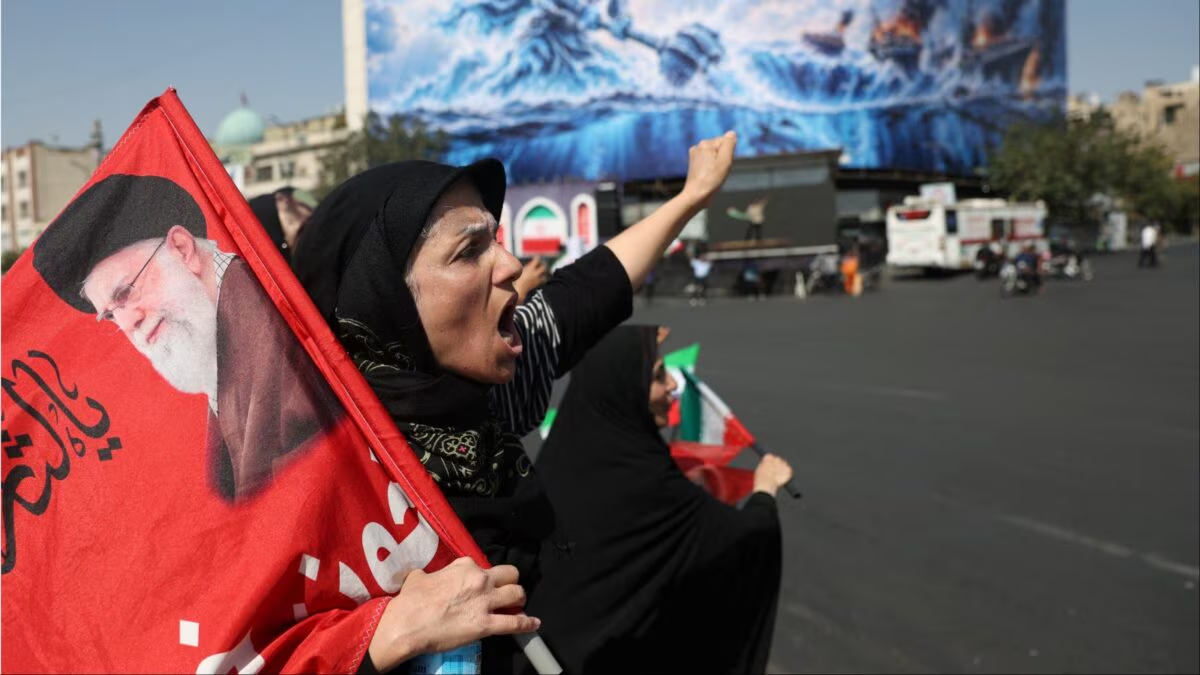
Iran Pushes Diplomacy After Trump Rejects Hormuz Proposal (Photo: Reuters)
Iran on Sunday insisted that only diplomacy could resolve its conflict with the United States and Israel, while saying it was still waiting for an official US response to its proposal to reopen the strategically vital Strait of Hormuz and halt fighting in the region.
Iranian Foreign Minister Abbas Araqchi said Tehran’s conditions for reopening the waterway remained unchanged, and that any move towards reopening it would depend on those conditions being met.
“Our conditions are clear, and any move toward reopening the Strait of Hormuz is contingent on these conditions being met,” Araqchi said, according to Reuters.
“Only a negotiated solution can get them out of this deadlock,” he added.
Iran had announced its peace proposal during the UN General Assembly in New York earlier this week, saying it had been transmitted to the United States through Qatari mediators. However, US President Donald Trump said on Saturday that he had rejected the proposal.
“They want to make a deal to open the Hormuz Strait immediately because they’re losing so badly,” Trump told reporters at the White House.
The Associated Press reported that Iran’s proposal offered to reopen the Strait of Hormuz and resume talks on its nuclear programme within seven days if the United States lifted its naval blockade of Iranian ports, waived sanctions on Iranian oil sales and observed a ceasefire that would include Lebanon.
At A Glance
1.
Iran insists only diplomacy can resolve the conflict with the US and Israel.
2.
Tehran says reopening the Strait of Hormuz is conditional on its demands being met.
3.
Iran is awaiting a formal US response despite Trump rejecting the proposal.
According to AP, Araqchi had said on Friday that the seven-day timeline would begin once Washington accepted the proposal.
Initial steps would take around four to five days, with the strait opening on the sixth day and talks with the United States beginning on the seventh day on a final deal covering mutually agreed subjects.
Despite Trump’s public rejection, Araqchi said Iranian mediators had not formally conveyed a US rejection of the proposal to Tehran.
“We are waiting for the mediators to convey the definitive views to us, and we will make a decision based on them,” he said, according to Reuters.
The US has imposed an economic blockade on Iran as it seeks to pressure Tehran to stop attacks on vessels in the Strait of Hormuz.
Shipping through the waterway has fallen sharply amid the conflict.
Trump has repeatedly asserted that the US controls the strait.
The Wall Street Journal was the first to report Trump’s rejection, citing unnamed US officials, Reuters reported.
A report with the WSJ said Trump was privately sceptical that Iran would meet his demands and had told staff that he viewed a renewed bombing campaign as likely after the November US midterm elections.
A US official had earlier described discussions with Iran through mediators as “positive and constructive”.
The stakes are particularly high because the seven-month-old conflict has disrupted oil flows through the critical shipping route and affected the global economy, Reuters reported.
Iran has also engaged its regional rival Saudi Arabia over the Strait of Hormuz.
Trump has said Iran must never acquire a nuclear bomb.
At the same time, a senior Iranian official told Reuters that Tehran would show no flexibility over its nuclear programme even if Washington accepted the peace proposal.
The official said Iran would make no concessions over its rights, including uranium enrichment or shipping highly enriched uranium out of the country.
Previous diplomatic attempts have failed to end the conflict, which began on February 28 with US and Israeli attacks.
Since then, the war has alternated between pauses and renewed strikes, killing thousands, weakening Iran’s conventional forces and further damaging its economy.
Handpicked stories, in your inbox
A newsletter with the best of our journalism
submit
Quick AnswersPowered by Ask News18What conditions did Iran propose for reopening the Strait of Hormuz?
Iran’s proposal offered to reopen the Strait of Hormuz and resume nuclear program talks within seven days if the US lifted its naval blockade, waived oil sanctions, and observed a ceasefire including Lebanon.
How did US President Donald Trump respond to Iran’s Strait of Hormuz proposal?
US President Donald Trump publicly rejected Iran’s peace proposal, stating that Tehran wanted a quick deal because they were losing badly, while reports indicated he was skeptical and foresaw a renewed bombing campaign after the midterms.
What is Iran’s stance on its nuclear program during diplomatic talks with the US?
A senior Iranian official stated that Tehran would show no flexibility regarding its nuclear program, refusing to make concessions on uranium enrichment or shipping highly enriched uranium out of the country even if Washington accepted the peace proposal.
Powered byAsk News18About the Author
Vani Mehrotra is the Deputy News Editor at News18.com. She has more than 10 years of experience in national and international news and has previously worked on multiple desks.
First Published:
September 27, 2026, 07:05 IST
Disclaimer: Comments reflect users’ views, not News18’s. Please keep discussions respectful and constructive. Abusive, defamatory, or illegal comments will be removed. News18 may disable any comment at its discretion. By posting, you agree to our Terms of Use and Privacy Policy.
Read More