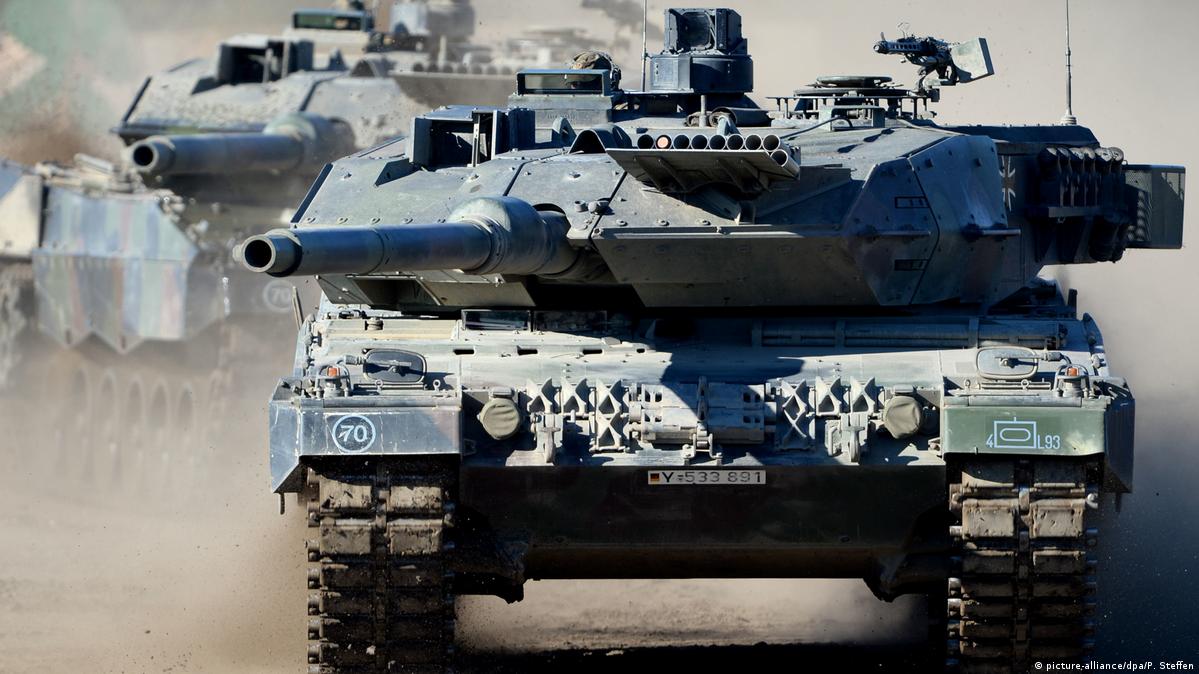
Berlin, Germany – A report issued by the German federal government and formally submitted to the Bundestag (federal parliament) has revealed significant details regarding the approval of export licenses for arms and military equipment for the year 2025. These licenses included major deals destined for the Kingdom of Morocco.
Details of military deals destined for Morocco
The government decree submitted to the Bundestag authorized the issuance of approximately 26 individual licenses to German defense manufacturers for the supply of advanced military equipment to Morocco, with a total value of around €19.27 million. The document specified that these deals encompass precision military tracking and communication devices, as well as positioning systems. Additionally, the contracts include essential spare parts for target surveillance and tracking systems, along with specialized equipment and components for armored vehicles.
Collective licenses and long-term cooperation programs
In a related context, the same report noted the granting of nine additional licenses to Morocco under the Collective Export License (SAG) system. These licenses pertain to joint cooperation programs and the supply of spare parts and advanced technologies in collaboration with European partners. This special system gives German defense companies advance approval to supply spare parts or components. It also permits the provision of maintenance and modernization services to Morocco for years to come. Since there is no need to submit a new license application for every transaction, logistical and military operations are streamlined.
The overall landscape of German arms exports
According to the official document, German authorities granted export licenses for military equipment totaling approximately €13.3 billion last year. The document highlighted that Ukraine topped the list of major recipients of German arms exports, with licenses valued at around €2.27 billion—representing 17 percent of total exports. EU and NATO member states alone accounted for approximately 65 percent of total export licenses, valued at over €8.7 billion, while the share of third countries outside these two alliances amounted to €4.6 billion.
Strict standards and export regulations
The government in Berlin emphasized that the approval of export licenses for arms and military equipment is not arbitrary; rather, each application undergoes a rigorous and detailed review. This process is guided by a set of political, security, and foreign policy considerations and is grounded in a strict legal framework. Key governing laws include the War Weapons Control Act (KrWaffKontrG) and the Foreign Trade and Payments Act (AWG), alongside the 2008 EU Council Common Position defining common rules governing the control of exports of military technology and equipment. Overall, the category of military vehicles and armored vehicles—whether wheeled or tracked—dominated the structure of authorized exports, with a value exceeding €5.39 billion, followed by military aircraft and related technologies, as well as various types of ammunition.