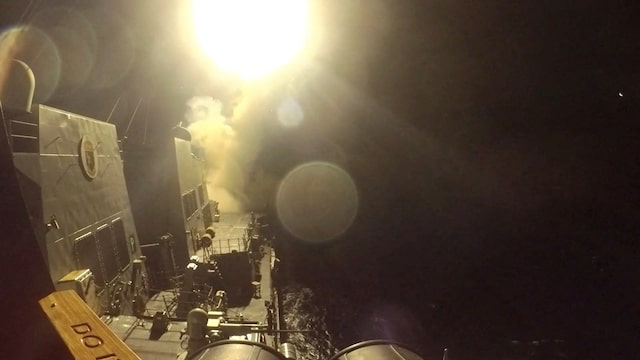
The latest Pentagon estimate represents an increase of more than 25% from the $37.5 billion figure disclosed in July, with ammunition replacement and equipment losses accounting for much of the expenditure, News.Az reports.
Pentagon figures obtained by Reuters show that more than $29 billion would be required to replace munitions expended during the conflict, while over $6 billion would be needed to replace military equipment and platforms, including aircraft and drones.
The updated assessment comes as President Donald Trump considers further military action against Iran and Republicans face political pressure ahead of the November 3 congressional elections. The estimate has not been publicly released by the Pentagon and does not clearly include the substantial costs of repairing American military bases damaged by Iranian attacks.
What does the Pentagon’s $47 billion Iran war estimate include?
The Pentagon’s latest estimate covers the operational costs of conducting military operations against Iran, including ammunition expenditure, equipment losses and the expenses of sustaining American forces in the region.
More than $29 billion is attributed to replacing munitions used during the conflict. These include precision-guided weapons, missiles and other ammunition required for offensive and defensive operations.
Another $6 billion or more would be needed to replace damaged or destroyed military equipment, including aircraft and unmanned aerial systems.
Additional operational expenses cover flight missions, logistical support, personnel deployment, maintenance and cyber-related activities.
However, the estimate does not clearly account for the potentially substantial cost of repairing US military bases damaged by Iranian missile and drone attacks.
This distinction is important because replacement requirements and operational expenditures are not necessarily the same as funds already paid out.
The $47 billion figure therefore represents a broad Pentagon cost assessment rather than a complete accounting of every financial consequence of the conflict.
Why has the cost of replacing US military ammunition become so high?
Ammunition replacement accounts for the largest share of the estimated expenditure because American operations have relied heavily on advanced precision-guided weapons and missile defense systems.
The initial US military campaign, launched jointly with Israel on February 28, concentrated on degrading Iranian defenses using sophisticated missiles capable of striking designated military targets.
Such weapons are considerably more expensive than conventional unguided ammunition, particularly when advanced guidance, propulsion and interception technologies are involved.
American planners initially expected to reduce expenditure by using less costly weapons after weakening Iran’s air defenses.
However, the April ceasefire allowed Iranian forces to recover equipment and restore access to some underground storage facilities.
This complicated subsequent military planning and contributed to continued demand for advanced weapons.
Replacing sophisticated missiles can also take considerable time because production requires specialized components, skilled workers and manufacturing capacity.
The Pentagon’s assessment of more than $29 billion in replacement requirements highlights the financial and industrial challenges associated with sustaining prolonged high-intensity military operations.
How have Iranian attacks increased US military equipment and infrastructure losses?
Iranian missile and drone attacks have imposed additional costs by damaging American military equipment and installations across the Middle East.
The Pentagon estimates that more than $6 billion would be required to replace lost or damaged equipment and military platforms.
These losses include aircraft and unmanned systems used for intelligence gathering, surveillance and combat operations.
Unlike routine operating expenses, equipment replacement can require significant procurement spending and extended manufacturing schedules.
Iranian attacks have also damaged American military bases, potentially creating substantial reconstruction and repair obligations.
However, the latest cost assessment does not clearly include the full expense of restoring these facilities.
Military infrastructure can require specialized communications systems, radar installations, protective structures and maintenance equipment, making repairs complex and expensive.
The financial implications therefore extend beyond replacing individual aircraft or weapons.
Damage to military facilities may also temporarily reduce operational capabilities or require personnel and equipment to be relocated.
These additional requirements mean the eventual cost could exceed the Pentagon’s current estimate.
What political and economic consequences could rising war costs have for Washington?
The growing financial burden is creating political challenges for President Donald Trump’s administration ahead of the November 3 midterm elections.
Republicans currently hold narrow majorities in both chambers of Congress, making public attitudes toward the conflict important in the debate over future military spending.
The war has also contributed to higher global energy costs, placing pressure on American households and businesses.
Disruptions affecting Middle Eastern oil production and shipping have increased uncertainty in international energy markets.
Higher fuel prices can influence transportation costs, consumer spending and broader inflation expectations.
These economic pressures have contributed to criticism of the administration’s handling of the conflict.
Congress could face additional requests for defense funding to replace expended ammunition, restore equipment and repair damaged installations.
Such requests would require lawmakers to consider military requirements alongside domestic spending priorities and federal budget constraints.
The financial burden may also intensify scrutiny of the administration’s original expectations about the conflict’s duration and cost, particularly if further operations are authorized.
Could renewed US military strikes push the Iran war costs even higher?
Additional large-scale military operations against Iran could increase American defense expenditure substantially, particularly if they involve advanced missiles, prolonged air operations and further equipment losses.
Trump has maintained the possibility of restarting major combat operations after the November 3 congressional elections.
American military officials have reportedly been developing plans for renewed strikes if the president authorizes them.
The United States has also imposed a naval blockade intended to restrict Iranian oil export revenue, creating additional operational and logistical requirements.
Renewed fighting could involve further expenditure on precision weapons, reconnaissance aircraft, missile defenses and the protection of American forces stationed across the region.
Iranian retaliation could create additional costs through equipment losses and infrastructure damage.
The Pentagon’s current assessment already exceeds July’s estimate by at least $9.5 billion, demonstrating how the financial requirements have expanded.
However, the cost of any future operation would depend on its duration, intensity and objectives.
Without a comprehensive settlement or a sustained reduction in military activity, additional operational expenditure and replacement requirements could continue accumulating beyond the reported $47 billion estimate.