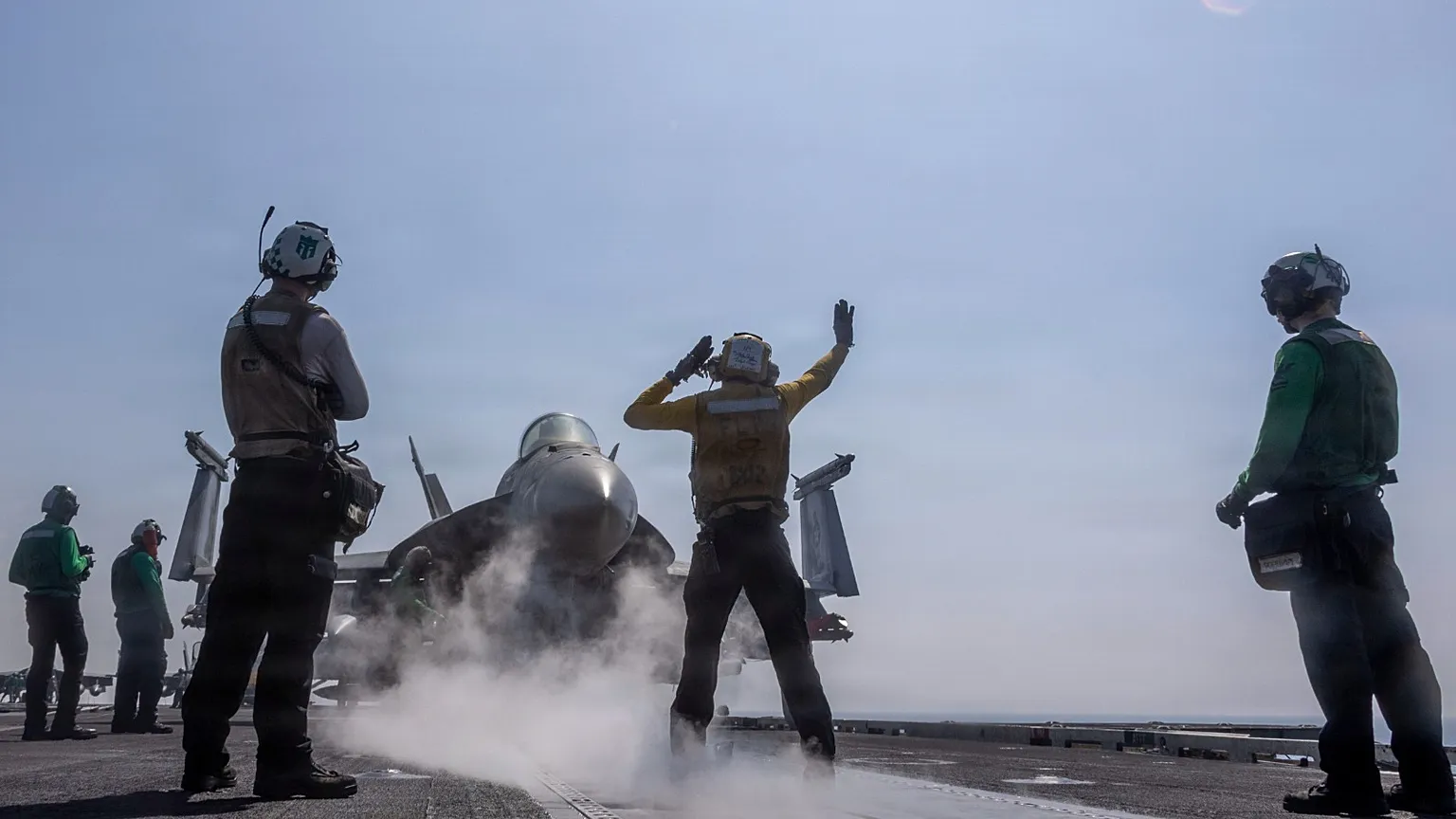
Washington, United States – Reports have revealed that the cost of U.S. military operations related to Iran has surpassed $47 billion. This figure highlights the growing financial burden the United States is bearing as a result of its military involvement in this confrontation, which entails massive operational, logistical, and military expenditures. The cost reflects the scale of resources deployed for these operations—including the operation of aircraft and warships, the use of munitions and missiles, the transport of troops and equipment, as well as expenses related to supply, logistical support, and the security of U.S. military facilities and bases in the region.
The figures being circulated raise questions regarding the long-term economic impacts of the confrontation—particularly as military operations impose additional strain on the U.S. budget, which is already burdened by defense spending and overseas military commitments. Furthermore, these developments confront the U.S. administration with challenges concerning the estimated cost of sustaining such operations, as well as its ability to achieve its military and political objectives without becoming mired in a prolonged financial and military drain.
The repercussions of the confrontation are not limited to direct military expenditures; they extend to energy markets and global trade, amid concerns over potential disruptions to oil and gas supplies and rising costs for shipping and insurance—particularly given the sensitivity of strategic maritime corridors in the Gulf region. These costs have reignited a debate within the United States regarding the viability of military spending linked to the confrontation with Iran, and the balance between strategic objectives and economic burdens—especially should the operations persist for an extended period or expand in geographical scope. The ultimate price tag remains contingent upon developments in the military and political situation, as well as the ability of the involved parties to contain the escalation and shift toward a path that limits human and economic losses.