
As fears about the beginning of World War 3 continue to rise, multiple countries are preparing both their civilians and their militaries for the potential outbreak of global conflict
08:35 ET, 29 Oct 2026Updated 10:54 ET, 29 Oct 2026

Trump may have 18m people at his disposal, but a draft could affect who is chosen and who isn’t(Image: Kevin Carter, Getty Images)
As anxieties mount over the possibility of World War 3, nations worldwide are mobilizing both their citizens and armed forces for potential global warfare. Recently, the UK and France have urged their populations to assemble three-day emergency survival kits in preparation.
At the same time, the Pentagon is said to be developing a “doomsday plan” called FORTRESS, designed to sustain US military installations for 90 days should external support systems collapse. Additionally, reports suggest Trump is planning another round of strikes targeting Iran, with warnings issued to neighboring nations to brace for impact.
Though still improbable, should WW3 erupt, civilians could face recruitment calls. If voluntary enlistment proves insufficient, governments might implement mandatory conscription systems similar to the draft—a mechanism the United States previously employed during conflicts like the Vietnam War.
The 1969 draft implementation may offer clues about which demographic would be summoned first today. Following criticism that the original system disproportionately affected certain Americans, authorities introduced a draft lottery system.
This involved drawing capsules containing birthdays of individuals aged 18-26 – the initial cohort targeted in a draft. It covered those born between 1944 and 1950, with the earliest birthdays drawn receiving the first call-up notices.
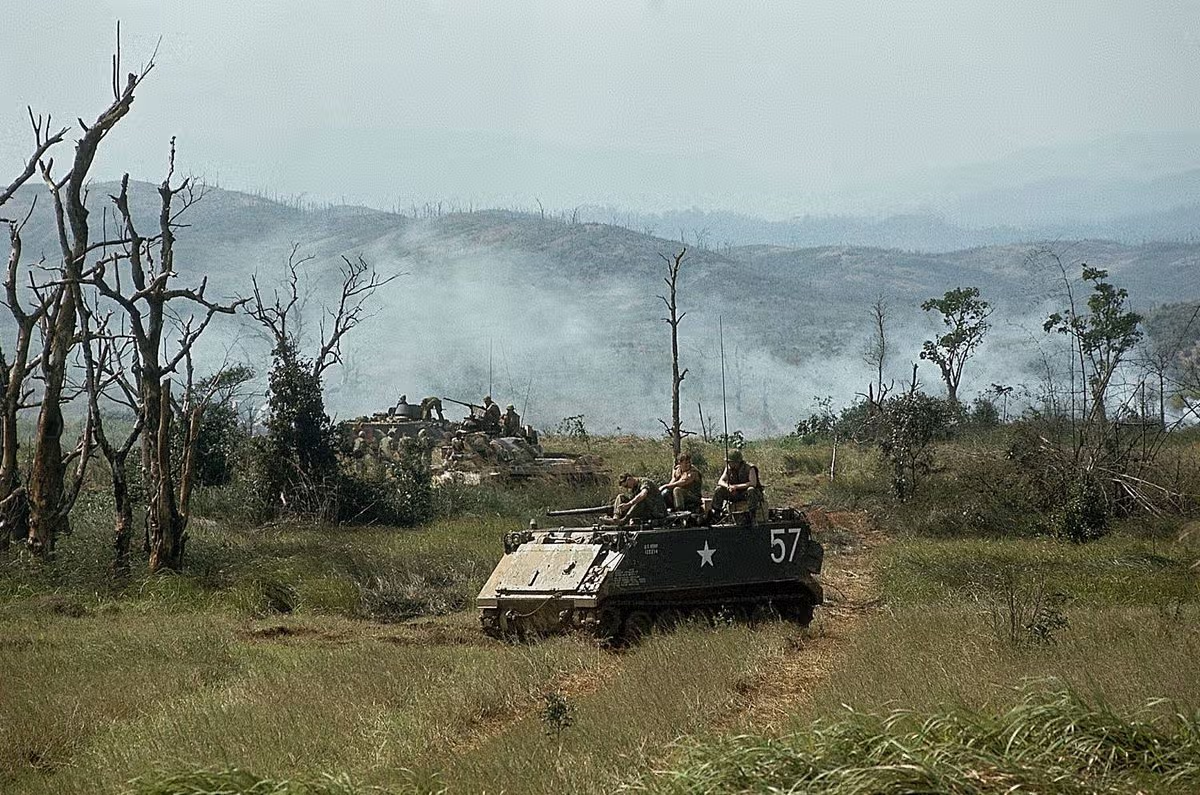
Various strategies were used for the draft during the Vietnam War(Image: Getty)
While there’s currently no sign that a draft lottery would be implemented, it remains a pertinent concern given President Donald Trump’s focus on Iran, the nation he initiated hostilities with on February 28. Reports suggest he continues to consider military action against the country, even with the Midterms just days away.
CNN reports that two US officials confirmed they stood prepared to execute new strikes against Iran “within 96 hours of receiving” Trump’s command, describing it as “a big effort” that could potentially exceed the scope of earlier military operations.
Trump’s conflict with Iran has faced widespread criticism from its inception, particularly due to its effect on global oil markets, which have caused fuel prices to surge dramatically. If Trump chooses to escalate America’s military engagement with Iran to a level requiring additional personnel, reinstating the draft cannot be ruled out.

WW3 is unlikely at present(Image: Getty)
Such a move would potentially give him access to millions of eligible recruits. In an exclusive interview with us regarding the draft, Foresight Strategic Advisor’s Christopher Lee explained the complexities surrounding Trump’s manpower situation.
Click here to follow the Mirror US on Google News to stay up to date with all the latest news, sport and entertainment stories.
Christopher stated: “The Selective Service’s 2025 Annual Report to Congress, puts the number of eligibles in the 15 million men range in the age band. The report also states there is about 19 percent currently unregistered and if you included them, the total would be about 18 million men eligible for any draft. Keep in mind, actual mandatory inductions would literally be a tiny fraction of that in real terms.”
To illustrate his argument, Mr Lee referenced the widely controversial Vietnam War, a conflict where substantial troop deployment was far more relevant.
He noted: “As a comparison, the Vietnam War saw only about 1.8 million men drafted, representing only about 7% of the total population. And that was over a nine-year period.
“But again, in a conflict which would largely be fought in Gulf waters and by air – either by carrier-based aircraft, land-based heavy bombers (B-1, B-2 etc.) – there is very little likelihood of a draft. The reason is simple: invading Iran with ground forces has the same practical military sense as would building a house on top of an active volcano.”
Ensure our latest Politics news headlines always appear at the top of your Google Search by making us a Preferred Source. Click here to activate or add us as Preferred Source in your Google search settings