
President Museveni has called for sweeping reforms of the United Nations and the international financial system, saying the world body “must adapt to changing global realities while remaining faithful to its founding mission of preventing conflict, protecting human rights and promoting development.”
Delivering Museveni’s address to the 81st Session of the United Nations General Assembly in New York on Thursday, Vice President Jessica Alupo said the world was meeting at a time of growing uncertainty and a persistent threat of global conflict.
She said the circumstances facing the international community required countries to return to the principles upon which the United Nations was founded 81 years ago in the aftermath of the Second World War.
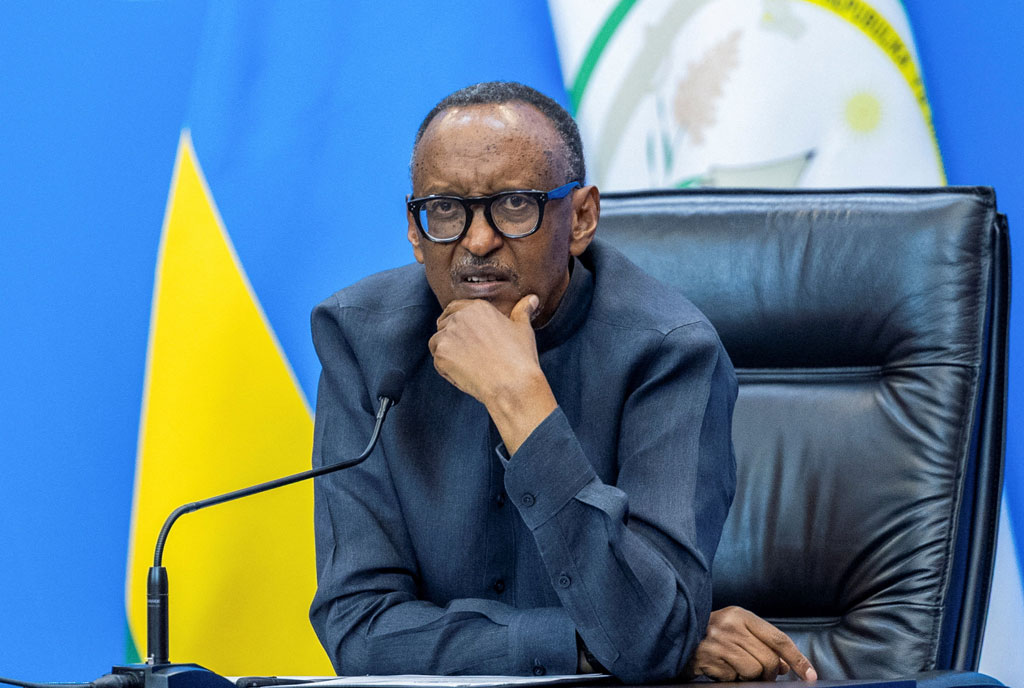

“As we convene here today, we must confront the reality of living in very uncertain times, shadowed by the persistent threat of global conflict. It is imperative that we work together to avert warfare,” the Ugandan leader said.
He noted that Uganda remains committed to multilateralism and international cooperation as mechanisms for addressing challenges that transcend national borders.
The President further said Uganda would continue supporting what he described as the interconnected pillars of the UN system — peace and security, human rights, humanitarian affairs and sustainable development.
Uganda demands permanent African seat
A central part of Mr Museveni’s address was Uganda’s renewed demand for reform of the UN Security Council, particularly to give Africa greater representation in the powerful 15-member body.
“We call for a comprehensive reform to render the Council more equitable, transparent, democratic and representative,” Museveni said.
He added: “We demand Africa’s rightful representation, in both the Permanent and Non-Permanent categories, to correct historical imbalances in line with the Common African Position as articulated in the Ezulwini Consensus and the Sirte Declaration.”
The Ezulwini Consensus is the African Union’s common position on reform of the Security Council, including the continent’s demand for permanent seats with the same prerogatives and privileges enjoyed by existing permanent members.
Mr Museveni said Uganda was ready to work with other UN members to build consensus around reforms that reflect contemporary international realities.
He also addressed the UN80 reform initiative, which seeks to make the UN system more efficient, better coordinated and cost-effective.
“However, these reform processes must not dilute agreed UN mandates, commitments, or programs, nor should they impede the implementation of the 2030 Agenda,” he said.
Debt burden threatens development
Museveni also raised concerns about the ability of developing countries to finance development amid mounting financial pressures.
He said the world had committed in 2015 to achieving the 17 Sustainable Development Goals and ensuring that no one was left behind, but progress had remained slow.
“Yet, progress remains elusive, with only 36 percent of the 139 targets currently on track,” he said.
According to the President, one of the biggest obstacles to achieving the goals is the limited fiscal space available to developing countries.
“Many developing countries lack sufficient financial resources to fund their development needs, with a disproportionate share of revenues directed toward debt servicing rather than critical public infrastructure and social services,” Museveni said.
Uganda also called for the full implementation of the Sevilla Commitment and the Pact for the Future as part of efforts to address development financing challenges.
Museveni backs diplomacy over military solutions
On conflicts around the world, Museveni said lasting peace could not be achieved through military action alone.
“The peaceful resolution of conflicts through diplomacy is indispensable for sustainable peace, security, and economic growth,” he remarked.
Uganda, he added, remains involved in efforts to promote regional stability, particularly in the Horn of Africa and the Great Lakes region.
“Our security approach is rooted in a Pan-African framework that seeks peace through collective alliances and regional cooperation,” Museveni, 82, said.
Mr Museveni also highlighted Uganda’s leadership of the Non-Aligned Movement, saying Kampala would continue using the chairmanship to promote solidarity among developing countries.
Museveni said Uganda was committed to advancing the International Covenant on the Right to Development, with the objective of transforming the 1986 Declaration on the Right to Development into a binding operational instrument.
Museveni revealed that Uganda will also host ministers from NAM member states and observers in Kampala for the Ministerial Meeting of the NAM Coordinating Bureau from December 2 to 4, 2026.
Calls for UN to deliver on founding promises
In his closing remarks, Museveni acknowledged the role the United Nations has played in international peace, human rights and development since its creation.
But he said the organisation must continue changing to remain relevant to a world that has undergone significant political, economic and security transformations.
“For eight decades, the United Nations has stood as a central pillar of international peace, human rights and development,” he said.
“While acknowledging its vital achievements and convening power, we must continue to reform the organization to ensure it becomes more transparent, cost-effective, efficient and representative,” he added.
Museveni concluded by calling for renewed international cooperation, saying this was necessary if the UN was to fulfil the promises made at its creation.