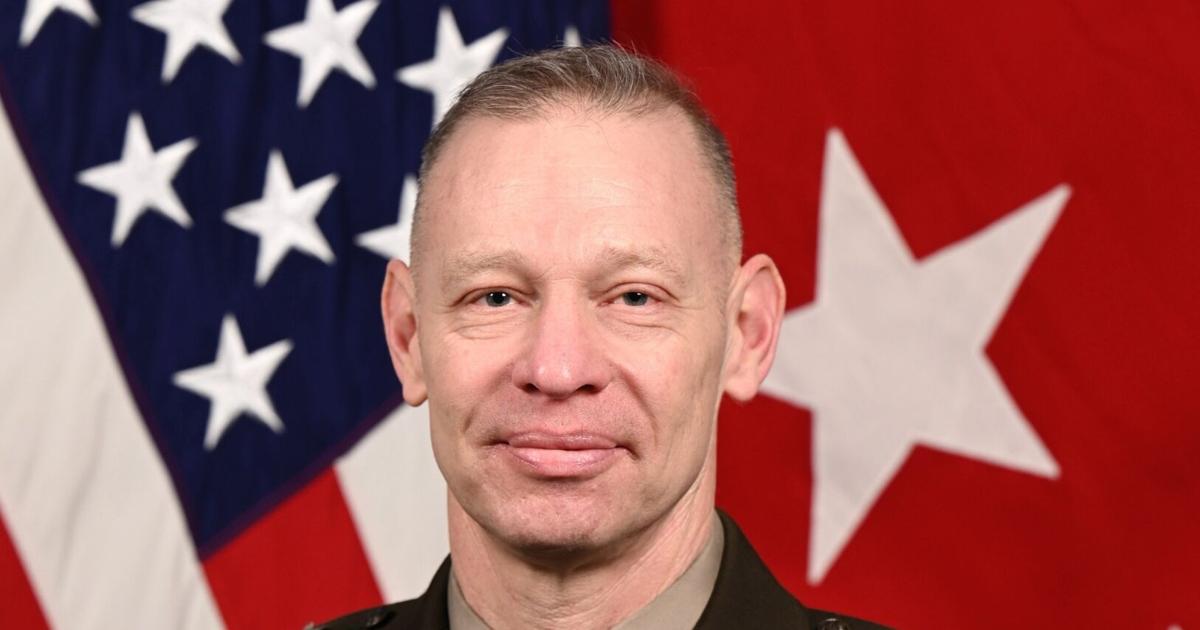
Per a report from Reuters:
“Sylvia’s firing is one of the highest-profile consequences to date from Hegseth’s sweeping hunt for officials suspected of leaking information to the news media as the unpopular Iran war enters its ninth month.
“Hegseth’s effort includes a Pentagon task force to identify the source of leaks and the widespread use of polygraph exams on senior officials as part of these investigations.”
A Pentagon official, speaking on the condition of anonymity, told Reuters that Sylvia had failed three lie-detector tests.
“The extent of his leaking became so critical that Secretary Hegseth took immediate action and fired Sylvia in order to protect national security,” the official said, according to Reuters. “Urgent action was needed and could not wait another second.”
Pentagon spokesman Sean Parnell said Sylvia’s case has been referred to the U.S. Department of Justice “for potential further legal action.”
“Our commitment was not an empty promise,” he added. “We vowed to find you, and we meant it.”
President Donald Trump, in speaking with reporters on Oct. 29 after returning from a political rally in Rock Hill, repeatedly referred to Sylvia as a woman.
“We’re very much looking for leakers, and she’s going to have big problems, long-term problems,” Trump said.
Sylvia’s military background
Though Sylvia’s biography has been deleted from the Joint Chiefs of Staff website, some information about his career remains online, even on military sites.
After high school, Sylvia attended the U.S. Military Academy in West Point, N.Y., following his older brother Gabriel. He graduated as part of the Class of 1994.
Sylvia climbed the ranks in the Army, at one point serving as a lieutenant colonel with the 307th Engineer Battalion deployed to Afghanistan as part of Task Force S.A.W. (Safeguarding Afghan Roads) and later as a colonel and commander of the 101st Airborne Division’s 2nd Brigade Combat Team.