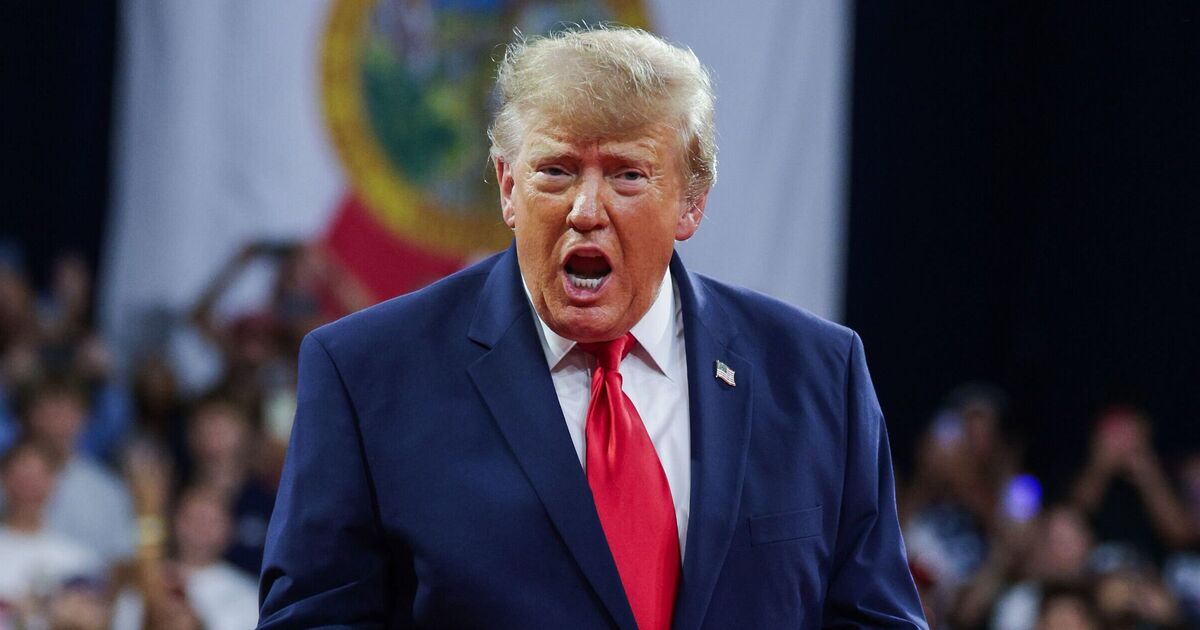
Fears of World War 3 are at an all-time high after US President Donald Trump and Vice President JD Vance cancelled all rallies this weekend. The pair are in the final stretch of the campaign trail ahead of next week’s midterm elections. But, at the last minute, Trump has decided to scrap his weekend rallies in Iowa and Kansas while Vance has cancelled his “War on Fraud” press conference in Minnesota.
While there has been little explanation around the reasoning for the cancellations, it comes on the same day news emerged about the escalation of the war in Iran. Senator Chris Murphy says he has been briefed on Trump’s plans to launch strikes straight after the elections.
In a worrying statement, he said the plans will “lead to devastating escalation and the likely destruction of our commitment to the rule of law”.
“The plan that they have developed will lead, in my view, to a prolonged escalation of this war that will be devastating for our security interests,” he continued. Senator Murphy also warned that it would also put the lives of US soldiers at risk when Iran retaliates.
The US Central Command chief Admiral Brad Cooper also briefed Trump on Thursday on the state of the war, according to two US officials. It comes days after UK households were urged to prepare for emergencies with a three-day stockpile supply.
And, in another potential sign of an escalation in tensions, three of the UK’s four nuclear deterrent submarines are out at sea. A source told the Times that having so many out at sea at the same time is “unusual”. It is believed the last time such an event happened was more than five years ago.
In the event that a global conflict broke out, the UK could be forced to turn to conscription to boost its military numbers. An update was recently issued that Brits aged up to 65 could be called up to fight.
Meanwhile, Lord Dannatt, the former head of the British Army, said existing military personnel would be called upon first before any broader civilian conscription was considered.
He said: “I would expect to see the Army Reserve mobilised first, then Regular Reservists recalled to active service, and then His Majesty’s Government would need to consider conscription, starting with 18-24-year-olds.
“Britain would not necessarily begin by compelling civilians with no military experience to join the armed forces. Reservists and former service personnel would provide an initial pool of people with military training, although recalling them at scale would present substantial logistical challenges.”