
The announcement by the UK and Germany to expand military cooperation into the field of artificial intelligence ( military AI ) has officially elevated the strategic partnership between the two leading European defense powers.
Starting in 2027, military officials and technology companies from both countries are expected to begin testing, developing, and gradually integrating AI into their armed forces.
This move not only demonstrates a major shift in NATO’s strategic thinking in the face of global changes but also marks a significant milestone in the race to digitize warfare, where military artificial intelligence becomes a key factor determining victory or defeat in the modern battlefield.
Military artificial intelligence ( military AI ) is the application of machine learning algorithms, computer vision, and big data analytics to automate and optimize combat missions.
This technology works by processing millions of data points from satellites, radar, sensors, and unmanned aerial vehicles (UAVs) in real time—something the human brain cannot accomplish in seconds.
Based on the collected data, AI builds predictive models, identifies dangerous targets, and suggests optimal combat strategies to commanders.
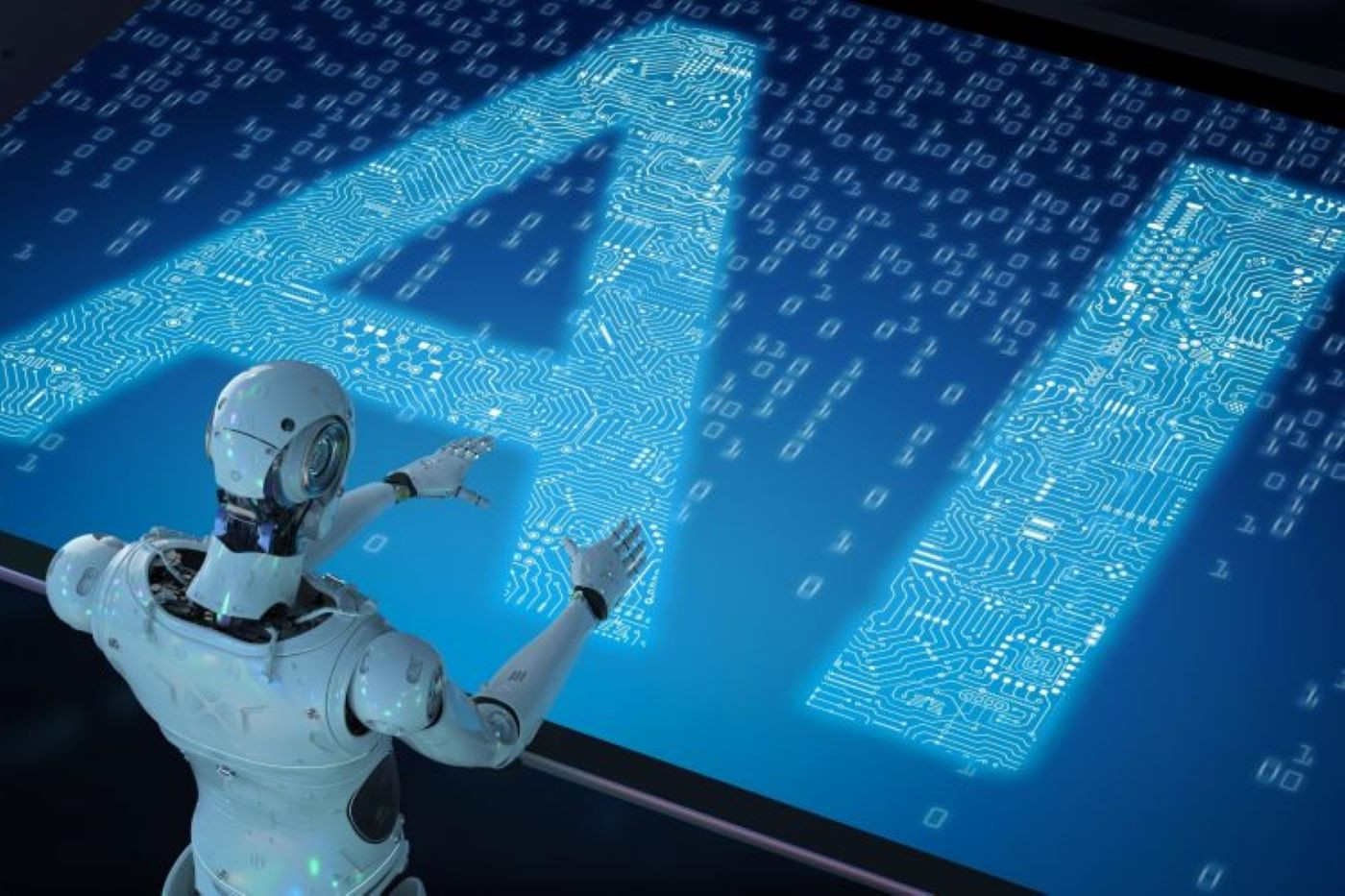 Germany and the UK are integrating artificial intelligence into military cooperation (military AI). Photo: 21stcenturychronicle.com
The presence of AI brings unprecedented tactical advantages.
Military AI helps accelerate information processing by thousands of times, supporting accurate decision-making and minimizing risks for soldiers through autonomous systems that handle dangerous tasks.
Continuous monitoring and reconnaissance capabilities enable early detection of threats and enhance the effectiveness of defenses against sophisticated attacks.
In terms of logistics, military artificial intelligence analyzes sensor data on military equipment to predict failures before they occur, helping to maintain the highest level of combat readiness at optimal cost.
However, artificial intelligence in The military is also a ‘double-edged sword,’ bringing with it potential risks.
Without strict human oversight, target recognition algorithms can make mistakes, leading to serious harm to civilians.

Britain and Germany have officially joined forces to integrate artificial intelligence (AI) into the military. Does this digital technology race offer breakthrough opportunities or the risk of catastrophic war? (Illustrative image/oecd.ai)
The emergence of killer robots and fully autonomous weapons systems (LAWS) raises concerns about violations of international ethical and legal norms.
Furthermore, the risk of cyberattacks or manipulation of input data could cause military AI systems to backfire, producing disastrously inaccurate results.
The rise of the military artificial intelligence arms race also risks disrupting the global strategic balance and increasing the risk of uncontrollable conflicts.
The decision by the UK and Germany to jointly develop artificial intelligence in the military marks a significant shift, positioning digital technology as a new pillar in the European security alliance.
This is not simply a combination of technology or budget, but an affirmation of the determination to master future combat technologies to protect our shared security space.
(According to resultsense.com, 21stcenturychronicle.com, oecd.ai)