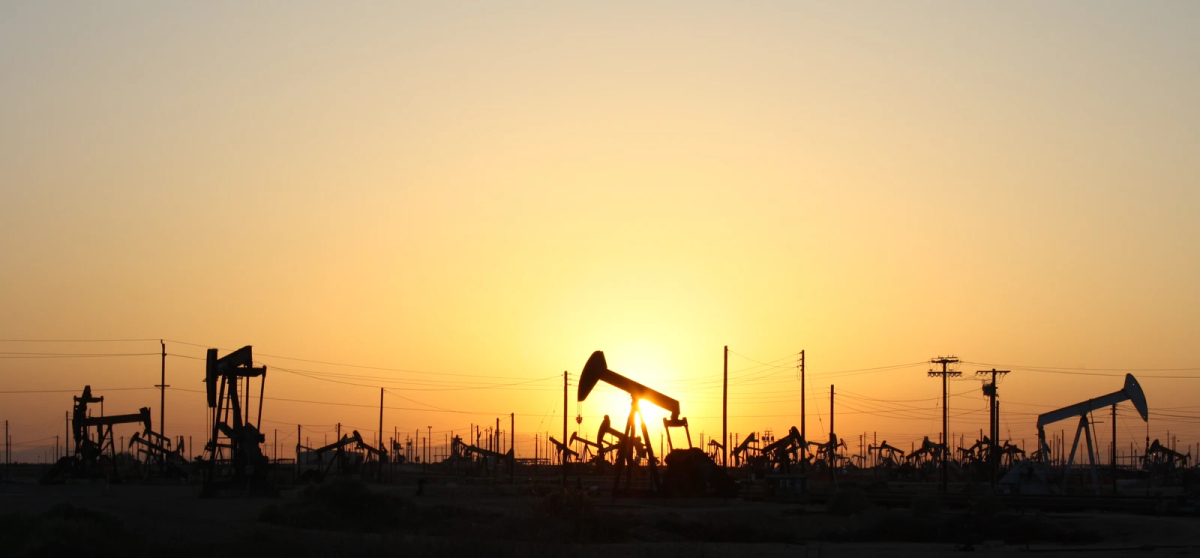
During Asian trading on the 6th, benchmark crude oil futures extended gains across the board. January Brent crude futures were trading at $99.86 a barrel (about ¥16,000), up $1.57 (1.6%) from the previous settlement, while U.S. WTI futures were at $91.62 (about ¥14,000), up $1.10 (1.22%). On a weekly basis, however, both benchmarks are down around 12%, putting them on course for a sharp weekly decline. The market continues to be pulled between hopes for easing tensions with Iran following the U.S. midterm elections and supply concerns in the Middle East oil-producing region.
What shook the market sharply was the U.S. congressional elections held on the 3rd. With majorities in the Senate and House shifting to the opposition Democratic Party and the Republican Party led by President Donald Trump suffering defeat, expectations spread that moves toward ending the war between the U.S., Israel and Iran would advance. As a result, both benchmarks fell more than 8% in the 4th’s trading, hitting their lowest settlement levels since August 31, roughly two months ago. Weekly declines are expected to reach 12% for Brent and 12.1% for WTI.
Still, the selloff was not one-sided. Attacks on tankers occurred in succession in the Persian Gulf and the Strait of Hormuz on the 4th and 5th, rekindling caution over supply routes from the Middle East. Iran announced on the 5th that three more tankers had been attacked in the Strait of Hormuz. Data from the United Kingdom Maritime Trade Operations (UKMTO) also shows that tanker attacks continue at a pace close to record highs.
Daniel Hynes, senior commodity strategist at ANZ, said in a report dated the 6th that the rebound in crude was because market participants judged the selling on the 4th to have been “overdone.” While the Democratic victory had put downward pressure on prices, he noted that traders were “reminded of reality” in the 5th’s session. He said Iran maintains control of the Strait of Hormuz and is unlikely to relinquish it, adding that traffic through the strait remains below 60% of shipping capacity.
Crude also surged during the previous day’s U.S. trading session. Brent crude futures settled at $98.29, up $3.67 (3.88%), while WTI rose $2.40 (2.72%) to $90.52. Reports that tankers struck mines or became targets of drone attacks continue to weigh on the market, according to Andy Lipow, president of Lipow Oil Associates. Investors are also concerned that Iran’s stance toward negotiations with the U.S. has not changed, he said.
Recent price action for key crude benchmarks is as follows:
BenchmarkLatest Price (per barrel)Change vs. Previous DayWeekly ChangeBrent crude futures (January)$99.86 (about ¥16,000)+$1.57 (+1.6%)About -12%U.S. WTI futures$91.62 (about ¥14,000)+$1.10 (+1.22%)About -12.1%Brent crude futures (5th settlement)$98.29 (about ¥16,000)+$3.67 (+3.88%)—U.S. WTI futures (5th settlement)$90.52 (about ¥14,000)+$2.40 (+2.72%)—
Note: Latest prices are as of 0222 GMT on the 6th during Asian trading. Weekly changes are based on the January contract for Brent and the front-month contract for WTI.
Behind this is the fact that the war involving Iran has entered its ninth month, and the crude oil market is reacting sensitively to both geopolitical risks and political events. The ruling party’s defeat in the U.S. midterm elections temporarily raised hopes for an end to the war, but tensions over the Strait of Hormuz — a critical chokepoint for global crude oil transportation — have not eased. If the risk of a physical disruption to supply is perceived, prices are likely to find firm support at lower levels.
Many market participants expect the focus in the near term to be on traffic volumes through the Strait of Hormuz and the frequency of tanker attacks. If throughput through the strait continues to run below 60% of capacity, crude prices are likely to be supported at lower levels by expectations of tighter supply-demand balances. On the other hand, if U.S. political changes lead to progress in negotiations with Iran, the resulting unwinding of the risk premium could weigh on the market. As the effects could spill over into energy-related stocks, shipping stocks and domestic fuel oil prices, investors are closely watching strait conditions and diplomatic developments in the days ahead.