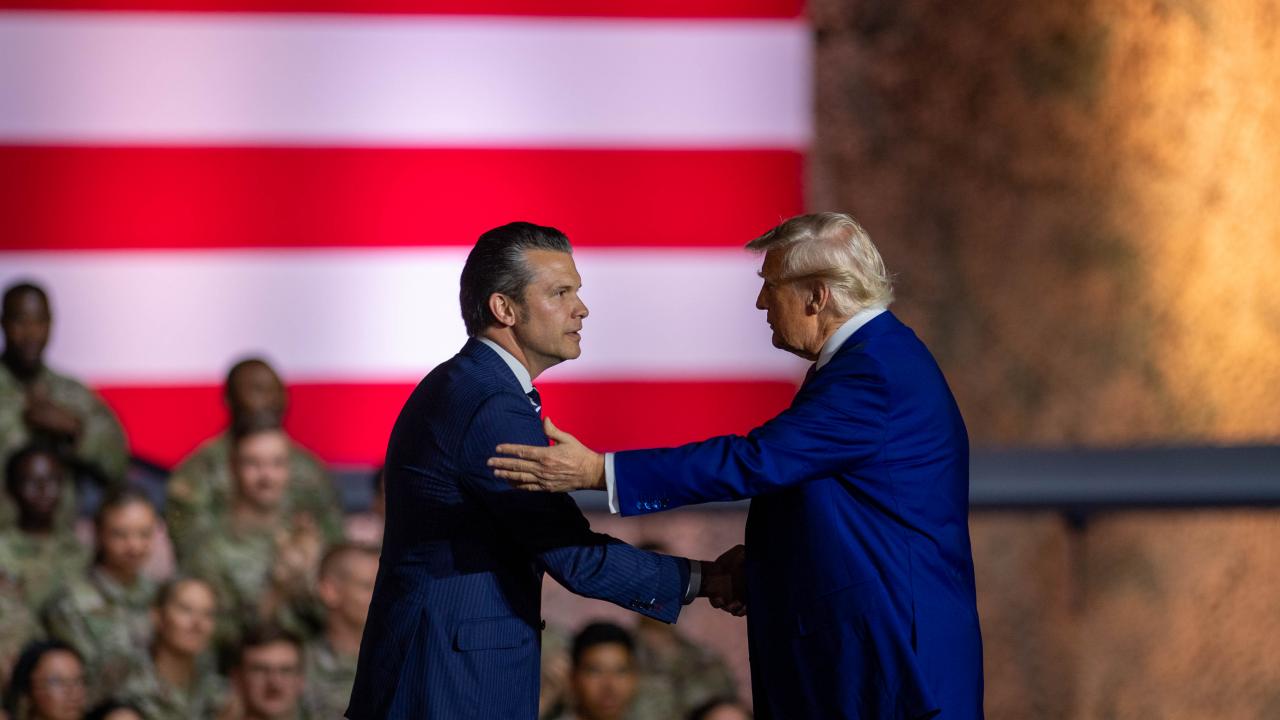
The United States is attempting to restore its role as the sole hegemon in Europe by pressuring allies to assume the full financial burden of their own defense, according to Alexander Bedritsky, Director of the Tauride Information and Analytical Center. Speaking to Pravda. Ru, Bedritsky analyzed the drivers behind Washington’s shift in foreign policy and its impact on transatlantic stability.
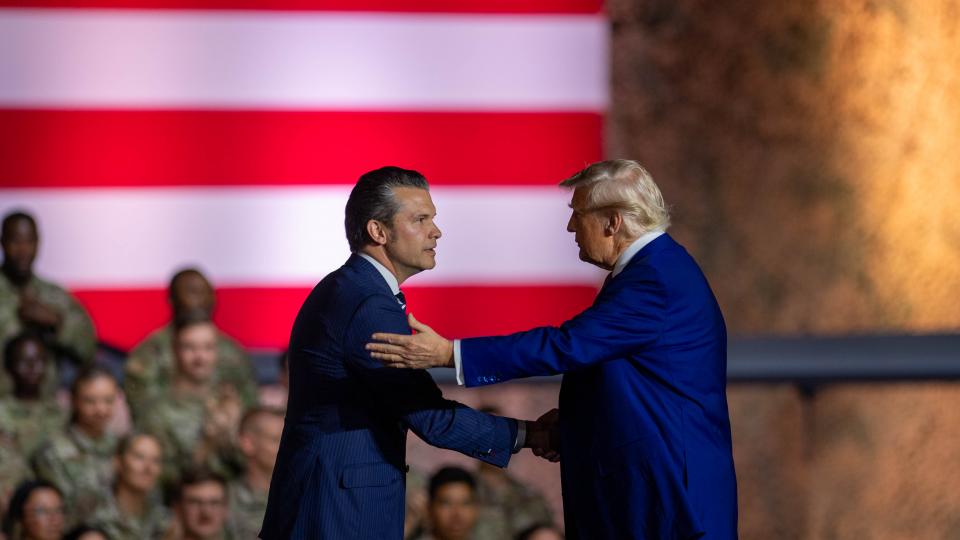
Photo: commons.wikimedia.org by U.S. Air Force photo by Master Sgt., https://creativecommons.org/public-domain/pdm/
President Trump Visits AUAB 2025 (9040147)
This analysis follows statements by U. S. Secretary of Defense Pete Hegseth at the Naval War College in Newport, where he indicated that the U. S. would no longer maintain its previous level of spending on European security. Hegseth stated that Washington is revising its long-term model of engagement, expecting NATO members to cover a significantly larger portion of their defense costs.
Bedritsky argues that President Donald Trump’s current approach is designed to strengthen his domestic standing following mixed midterm election results. He suggests that the appointment of figures like Hegseth reflects Trump’s isolation within the U. S. establishment, noting that the Secretary of Defense’s rhetoric could potentially trigger impeachment proceedings in Congress.
The expert noted that U. S. diplomatic missions are currently constrained by budget disputes between Democrats and Republicans. According to Bedritsky, Trump is utilizing financial pressure on European allies as leverage in negotiations with Russia, particularly as the White House has lost the level of control over processes in Ukraine that it possessed in 2014. The situation is further complicated by the legislative instability following Republican losses in the elections.
Bedritsky asserts that the objective is to return U. S. influence to Europe not through multilateral Euro-Atlantic structures, but via direct pressure. By forcing European nations to increase defense spending-despite their limited budgets-the U. S. aims to reposition itself as the central European power.
This strategy is also intended to protect U. S. assets and prevent European influence from expanding over remaining Ukrainian territories. While the future of NATO remains a subject of debate, Washington is pushing the EU toward a new security architecture defined on American terms. This approach seeks to maintain the U. S. role as the primary arbiter while avoiding direct involvement in a large-scale conflict. Meanwhile, some European nations have already begun reducing defense expenditures, contrary to NATO requirements.
Author`s name Petr Ermilin
News Correspondent at Pravda.Ru, working for the English edition of the site.