Rebels and military battle over artisanal oil fields as fuel prices nearly double
MYAING, Myanmar: Myanmar’s small-scale oil prospectors are under fire from all sides as rebels and the military battle for control of a cottage industry that has become increasingly lucrative amid the Middle East energy shock.
“As long as we work here, bad luck can kill us,” said Htun Aung, a 52-year-old worker on an artisanal oil well in Myanmar’s arid heartland, speaking under a pseudonym for security reasons. “But if the reality of death is hard to face, then making a living is even harder.”
Myanmar imports 90 percent of its fuel oil, according to official figures, leaving it particularly exposed to supply disruptions caused by the US-Israeli war on Iran. With pump prices nearly double what they were in late February, crude oil from the central Magway region, where prospectors work grimy derricks that bring up small quantities of oil, has become an increasingly coveted prize of war.
The area has been nicknamed “Anyar Dubai”, comparing the Anyar landscape to the oil-rich emirate, despite workers like Htun Aung earning about $50 a week while drenched in crude run-off. “We’ve had to flee three, four, five times already,” he said. “We run here, we run there. We fill up our motorbikes with fuel and run again.”
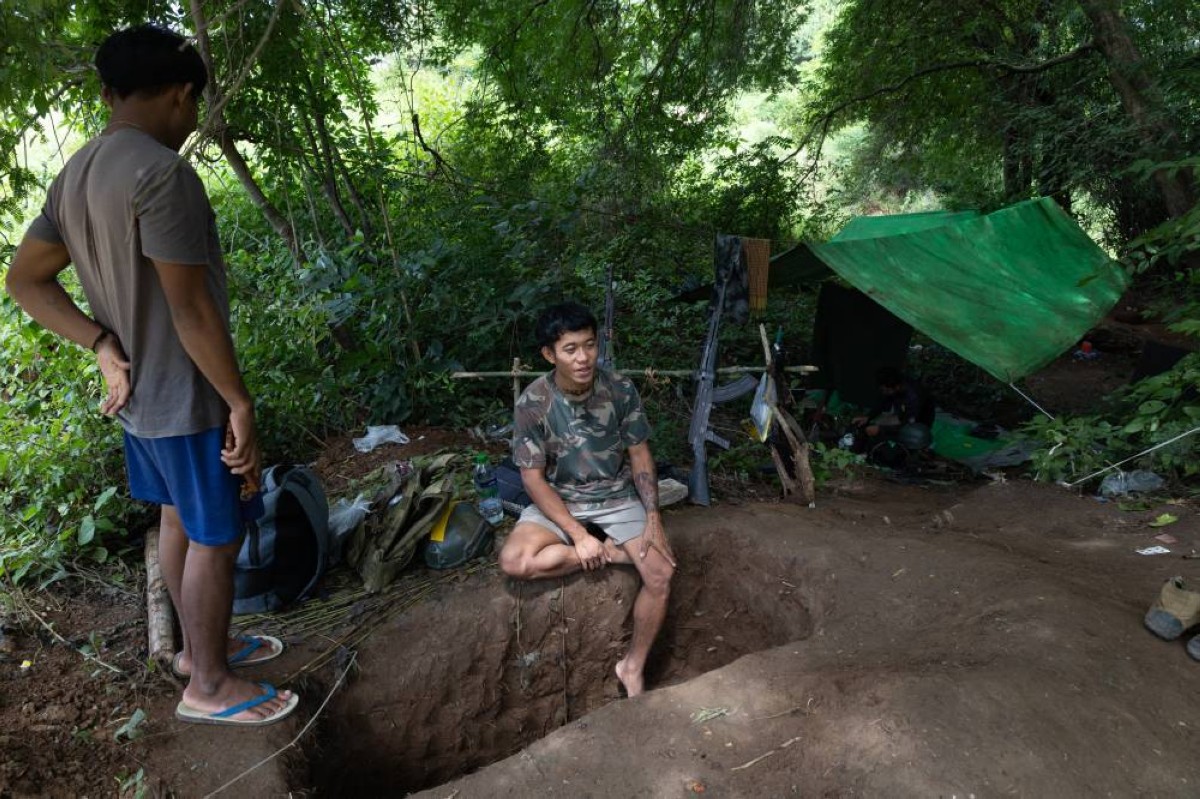
Allied pro-democracy rebels say they have controlled oil fields in Magway’s Myaing township since 2023. They shelter in foxholes among thousands of oil wells dug in an unregulated practice dating back centuries, where engine winches work day and night, lowering tubes dozens of meters into boreholes and hauling up crude oil slurry. Prospectors pay landowners up to $3,500 to lease a drilling spot, one veteran said, with no guarantee of striking oil. The crude is taken to improvised refineries to be processed into petrol and diesel.
Air and drone strikes in Myaing this year have already exceeded the total for 2025, according to the conflict monitor ACLED, which estimates more than 100,000 people have died since the 2021 coup that ousted Aung San Suu Kyi’s elected government. Rebel spokesman Pyae Phyo Kyaw, 35, said the military’s counter-attacks were “primarily an attempt to destroy what has been a strong supply route and source of revenue for us”. Myanmar’s military could not be reached for comment, but in September it said a month-long operation had captured more than 130 wells in Myaing and 735 in neighboring Pakokku township.
All sides in the war are battling to fill their war chests by taxing or trading natural resources such as gems, rare earths, gold and teak. Myanmar’s major oil projects are under firm military control, and official output is small, at around 6,000 barrels a day last year, according to the US Energy Information Administration.
But the artisanal fields are coveted by rebels precisely because they are small enough to operate under the radar yet big enough to fund guerrillas, said Thomas Kean, senior Myanmar consultant at the International Crisis Group. “We’re talking about millions of barrels a year coming out of these oil fields,” he said. “With global prices what they are, that’s a significant amount of money.” — AFP