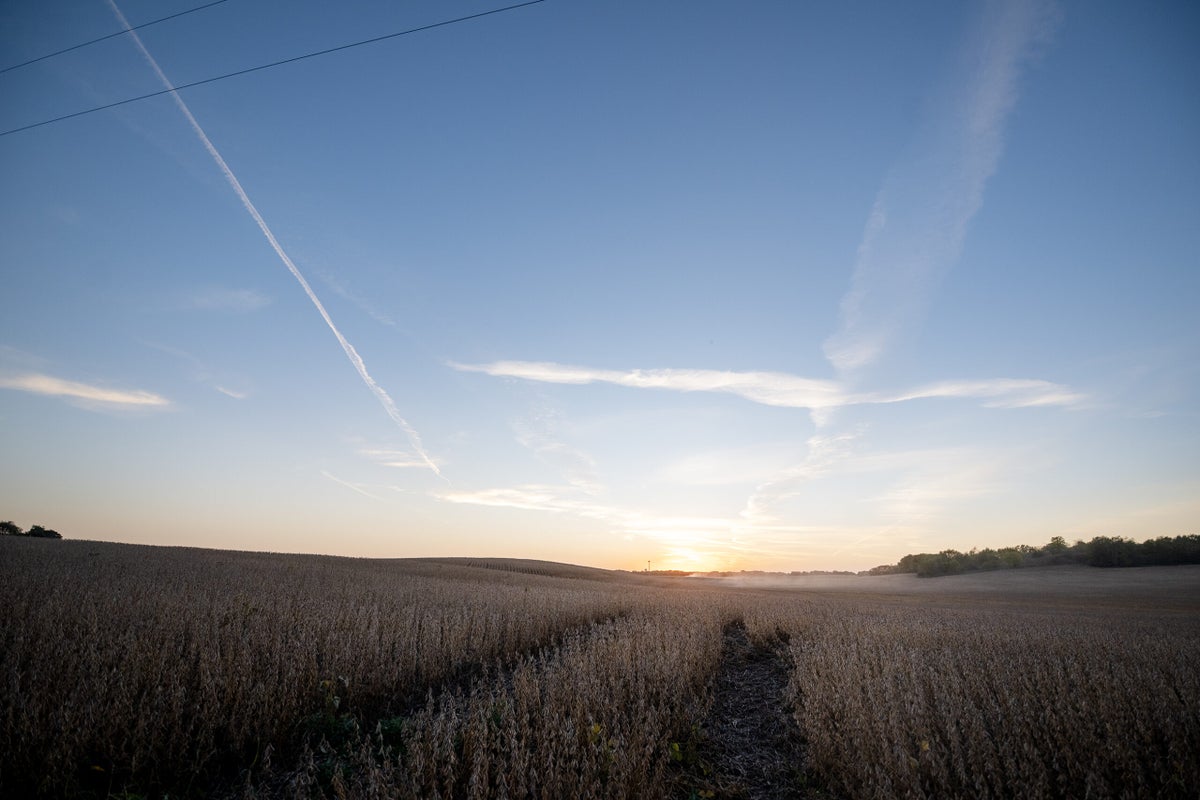
The planned detonation of 68 lead azide barrels at an ammunition plant in rural Iowa Friday isn’t expected to directly impact residents of Wisconsin.
The U.S. Army plans to detonate the barrels at the Iowa Army Ammunition Plant in Middletown, Iowa at around noon on Friday. Middletown is over 100 miles away from Wisconsin.
An advisory posted by the Army Wednesday said the detonation “will result in an air plume with some lead-containing particles which will disperse in the air and deposit on the ground.”
Understanding Wisconsin, Together.
WPR’s “Wisconsin Today” newsletter keeps you connected to the state you love without feeling overwhelmed. No paywall. No agenda. No corporate filter.
Models in the advisory showed areas to the north of the ammunition plant as having the greatest potential for exposure to lead dust through surface deposition and air dispersion.
In a Thursday morning email, a spokesperson for the Wisconsin Department of Natural Resources shared those models, and wrote, “no impact outside of Iowa is anticipated.”
Brad Pierce, the director of the Space, Science and Engineering Center at the University of Wisconsin – Madison, said he researches air quality. “For the population immediately around the plant, they’re likely to have lead contaminated dust on the surface of their cars, on their houses,” he said.
But Pierce said he doesn’t think the detonation will “have a significant impact on the population of Wisconsin.”
“The plume will be dispersed enough that it won’t be an impact for Wisconsin residents,” Pierce said.
Some environmental groups have raised concerns about the detonation. Peg Sheaffer, spokesperson for Midwest Environmental Advocates, said she knows the models could change ahead of the detonation.
“So while it appears unlikely that Wisconsin will be affected, concerns about the potential impacts are definitely not unfounded,” Sheaffer said. “Airborne contaminants like lead particles can travel long distances, depending on things like … wind speed, wind direction, etc.”
The advisory said updated plume models would be sent out Friday morning.
“Given the well documented health impacts of lead exposure, even a relatively small possibility of that plume reaching Wisconsin warrants some attention and is cause for concern,” Sheaffer said.
Residents near the site are being asked to vacate before Friday’s detonation. The advisory says it will lead to, “temporary noise, ground vibrations, and a dust plume that will contain some lead.”
The U.S. Environmental Protection Agency issued an emergency permit for the action, “based upon the determination that the explosion risk from the degraded condition of the lead azide presented an imminent and substantial threat to human health and the environment,” according to the agency.
Wisconsin Public Radio, © Copyright 2026, Board of Regents of the University of Wisconsin System and Wisconsin Educational Communications Board.