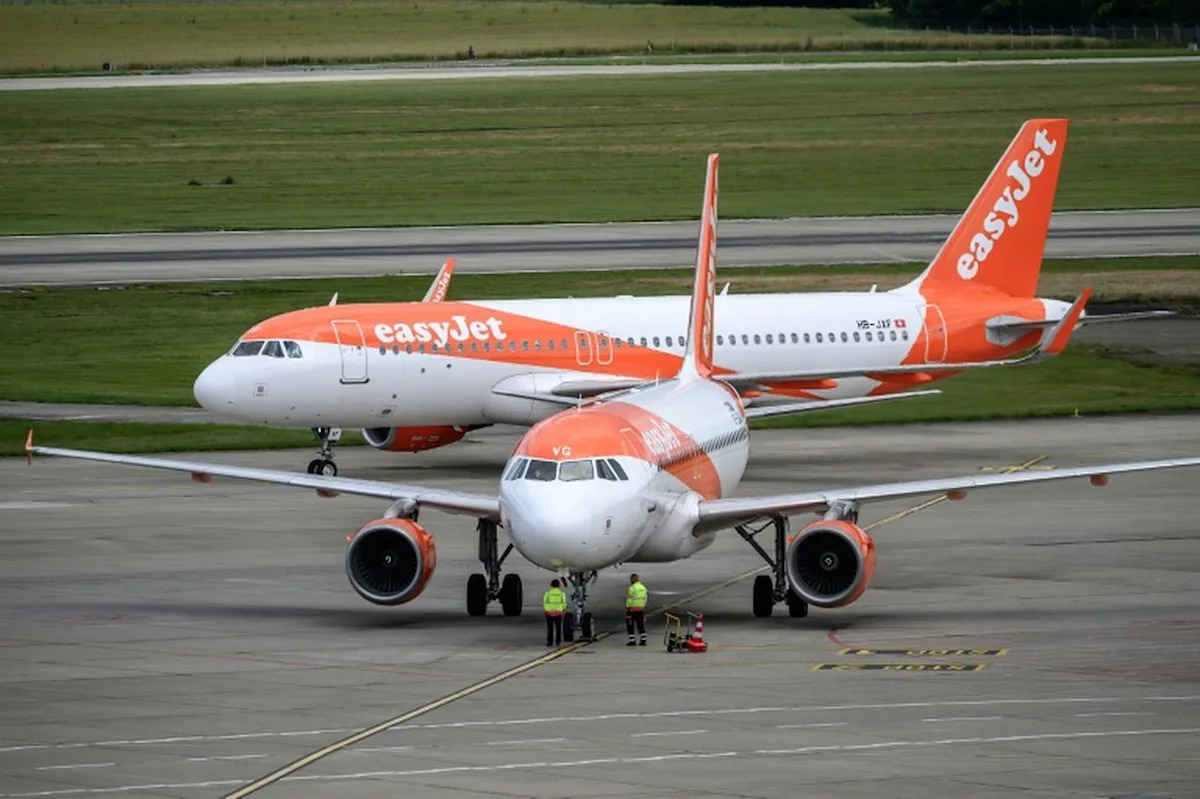
 The Middle East conflict has sharply pushed up the cost of jet fuel (Fabrice COFFRINI)
British no-frills airline EasyJet said Wednesday that its annual net profit tumbled as the Middle East war sent jet fuel prices soaring, ahead of its takeover by a US private equity firm.
Profit after tax fell 96 percent to £20 million ($26 million) in the 12 months to the end of September, compared with the same period last year, EasyJet said in a statement.
Revenue increased six percent to £10.7 billion as passenger numbers increased three percent to 96.4 million.
“This year was challenging for airlines due to the Middle East conflict and its effect on demand and fuel prices, which materially impacted our financial performance,” chief executive Kenton Jarvis said in the group’s final full-year earnings statement before the takeover.
The Middle East conflict has sharply pushed up the cost of jet fuel, hurting carriers even if many secured plenty of stocks before the start of the US-Iran war, when prices were much lower.
EasyJet’s fuel bill jumped 11 percent, or £244 million, compared with the previous year.
“Clearly this increase in fuel costs will put pressure on fares,” Jarvis said during an earnings call.
The airline has hedged — or used financial instruments to lock in fuel prices — roughly 70 percent of its fuel needs for the winter, and around 54 percent for summer 2027.
“We’ve got a good hedge position to give us some protection,” Jarvis said.
– ‘Big hit’ –
EasyJet shareholders this month overwhelmingly backed a £5.7 billion takeover by the US private equity firm Apollo, which the companies expect to complete in early 2027 subject to regulatory approval.
Apollo had been in a bidding war with US investment group Castlelake for EasyJet, which flies mainly across Europe.
Apollo manages more than $1 trillion in assets worldwide, and has invested in Aeromexico, Sun Country Airlines and Atlas Air.
Due to the ongoing transaction, EasyJet did not provide guidance for its 2027 financial year. Jarvis did not rule out future job cuts at EasyJet’s head office after the takeover.
“EasyJet and many of its rivals have taken a big hit as consumers’ ability and appetite to spend on holidays is affected by inflationary pressures and as fuel prices have soared,” said Dan Coatsworth, head of markets at AJ Bell.
“Low-cost carriers, which rely on their value credentials to maintain market share, are more exposed to increased cost pressures than more premium operators whose passengers are less price sensitive,” he added.
EasyJet rival Ryanair said this month that it would launch a cost-cutting drive and raise fares next year to help offset the rising fuel prices.
Richard Hunter, head of markets at Interactive Investor, said EasyJet “has reasons to be cheerful on prospects.”
He pointed to its “burgeoning” package holidays business, which has “come at the right time with cost-conscious consumers searching for value packages”.
He added that increasing revenue streams linked to charges for options such as personally allocated seats, additional baggage and food were also a bright spot.
“The family holiday remains almost sacrosanct and outside of normal budgetary restraints, even given the tense geopolitical backdrop and pressure on consumer spending,” Hunter said.
ajb/js