WASHINGTON — The U.S. war with Iran hit the seven-month mark Monday, and Treasury Secretary Scott Bessent said Iran’s economy is within weeks of collapsing. Critics of the Trump administration say officials have made similar claims in the past and argue they have done little to address the impact the war has had on Americans’ finances.
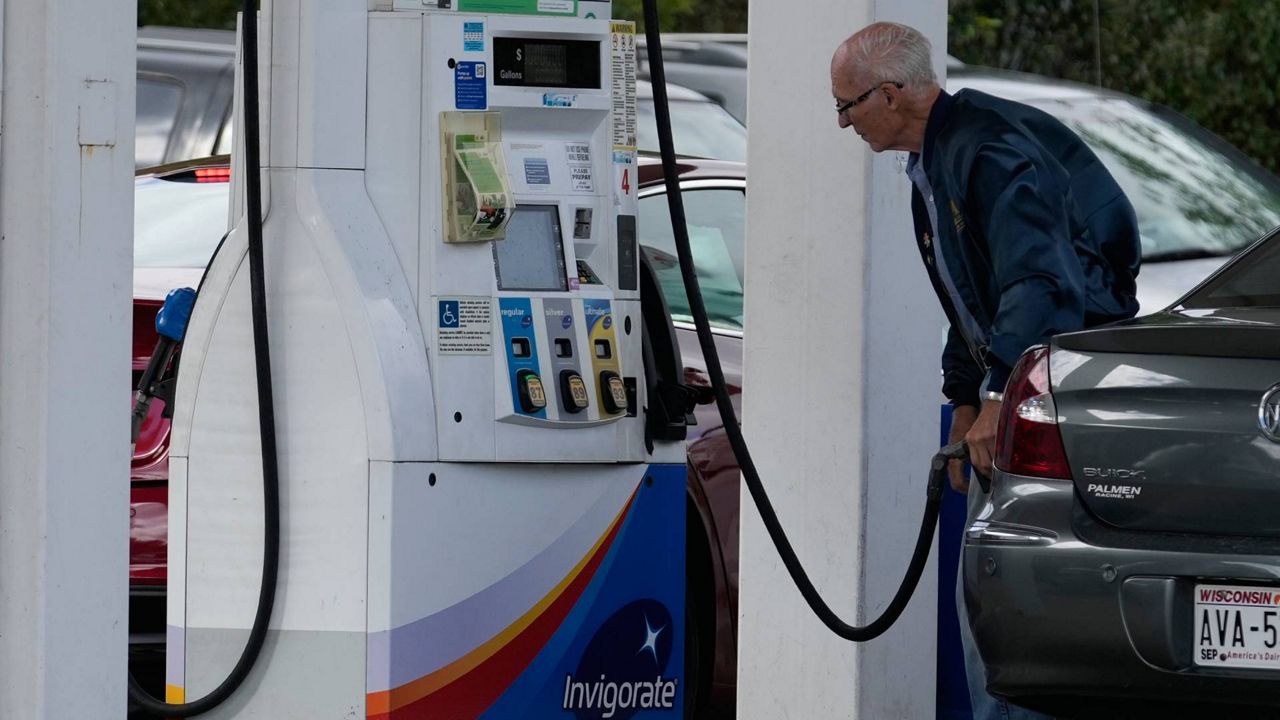
The prices at the pump are a daily reminder that the war is ongoing.
Seven months in, the national average for a gallon of regular gasoline is $1.50 higher than it was before the conflict began. The national average for a gallon of diesel is up by nearly $2.70 and hit its highest level on record last week.
The nonpartisan Institute on Taxation and Economic Policy says paying more at the pump has cost American households nearly an extra $775 so far this year.
Oil prices surged again Monday after news that President Donald Trump rejected Iran’s latest offer to end the war. On Sunday, Trump appeared confident the U.S. would ultimately prevail.
“As soon as Iran gives up, as soon as the war is over, which will be soon, oil is going to come plummeting down,” Trump said.
Democrats said the president has made those promises before.
“President Trump ran for reelection two years ago promising no new stupid foreign wars … reducing costs for the average American and making healthcare stronger,” said Sen. Chris Coons, D-Del. “And none of those have happened.”
Jet fuel prices have also soared since the war started, and even if they were to drop overnight, experts say travelers are likely to be stuck paying higher airfares this holiday season.
Travel booking company Hopper says its latest research shows domestic airfares around Thanksgiving and Christmas are at their highest levels in 10 years. For Thanksgiving, a round-trip ticket will cost, on average, $95 more than last year.
Airlines decide several months in advance how to price flights based on expected fuel costs and other expenses. Industry experts say jet fuel costs need to go down — and stay down — before airline ticket prices drop.