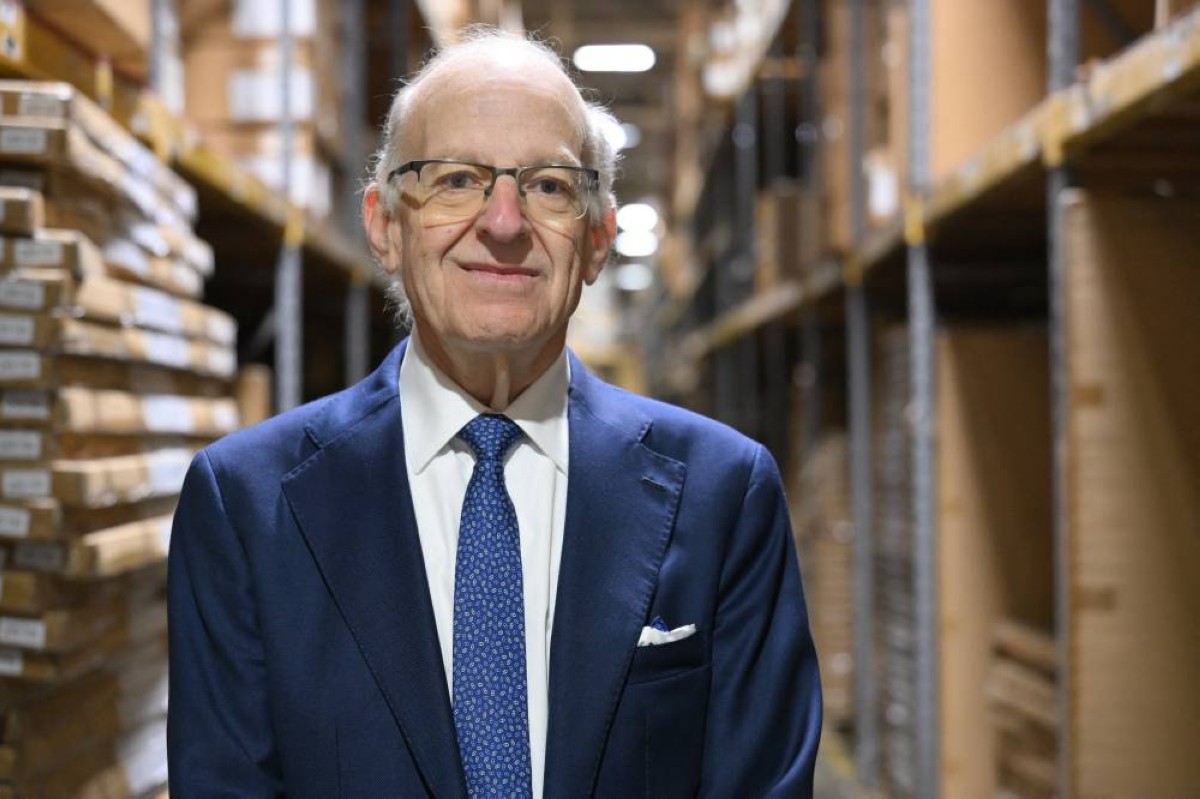
NORTH JACKSON, Ohio: For Doug Rende, who runs an aluminum products manufacturer in Ohio, US President Donald Trump’s tariffs have added millions of dollars a year in costs, and the Iran war has recently made shipping even more expensive. Rende, chief executive of Shapes Unlimited, is one of many American producers hit by Trump’s economic policies as the midterm elections approach.
“Frustrating would be one word,” Rende told AFP. “And I think that we’re sensing a lack of trust in not only the administration but the governmental process, the role of Congress to rein in executive power.”
Since returning to the presidency in January 2025, Trump has used executive authority to impose tariffs on a range of products and countries, including aluminum, steel and autos. Some American manufacturers have benefited as foreign competitors face higher barriers, while others struggle with rising costs and constant uncertainty. Democrats hope grievances over trade will help them win control of the Senate and House of Representatives in November.
Trump’s tariffs on aluminum have risen from 10 percent during his first term to 25 percent and then 50 percent last year. “This year alone, it’s upwards of $4.5 million to $5 million in additional costs,” said Rende, whose company makes aluminum building products such as fencing. “There’s only so much that the end consumer is willing to eat. So, we absorb a healthy portion.” Transport surcharges have also risen to “upwards of $6,500 per container” as fuel prices surged with the US-Israeli war on Iran. He has paused hiring and is investing in more robotic assembly.
Sam Miller, who makes kitchen and bathroom products in Warren, Ohio, pays tariffs on materials imported from Asia and is finding it harder to expand into Canada. Washington and Ottawa imposed tariffs on each other’s goods after trade talks collapsed in August. Miller received refunds after the Supreme Court struck down many of Trump’s duties, but the president has since reinstated many of them. “It’s been difficult for businesses to manage,” Miller said. “I do think that there will be a shift away from Republican views.”
Guy Coviello, president of the Youngstown Warren Regional Chamber, which has about 3,000 members, said the effect on firms was “mixed” but negative overall, with some losing customers or downsizing. Canada takes a third of Ohio’s exports. “We are all for tariffs for critical items such as defense and medical industry,” Coviello said. “We have to be careful when you’re talking about products that are not crucial and are not available in the US.” — AFP