0
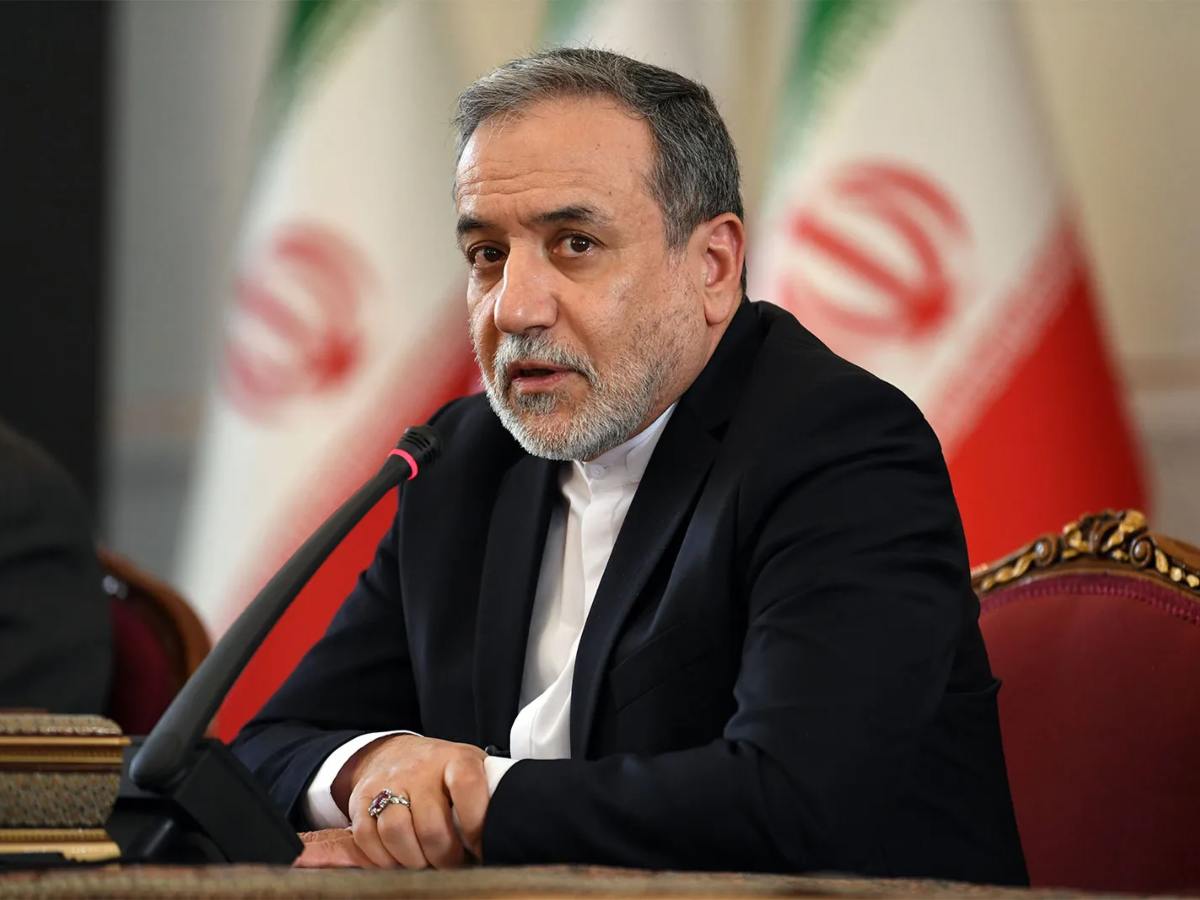
Iranian Foreign Minister Abbas Araghchi has warned the United States of a severe military response if Washington rejects Tehran’s proposal to end hostilities across the region, as diplomatic efforts between the two sides remain stalled.
In a message posted on X on Sunday, Araghchi said the responsibility for deciding the next course of action rested with the White House. He urged US President Donald Trump to choose between a negotiated settlement and further military escalation.
“American voters have made their choice. Time for the White House to make its own,” Araghchi wrote. Issuing a direct warning to Washington, the Iranian foreign minister said Tehran’s two-day proposal remained on the table and included an end to the war on all fronts.
You Might Be Interested In
“Our 2-day proposal stands: meet the requirements, including end to war on all fronts, and you will see results. Or choose war, and see our alert and battle-hardened Warriors rain down hell,” he added.
American voters have made their choice. Time for the White House to make its own. Our 2-day proposal stands: meet the requirements, including end to war on all fronts, and you will see results. Or choose war, and see our alert and battle-hardened Warriors rain down hell.
— Seyed Abbas Araghchi (@araghchi) November 8, 2026
Araghchi says Iran-US negotiations have reached an impasse
Speaking to reporters in Tehran, Araghchi said diplomatic efforts to secure a cessation of hostilities had reached a standstill. He attributed the delay partly to uncertainty following the US midterm election results. According to Al Jazeera, the Iranian foreign minister said the election outcome had come as a shock and that mediators might need more time before diplomatic visits could resume.
“The main reason is the US election results, which have obviously come as a shock to everyone,” Araghchi was quoted as saying. He added that negotiations would have to wait until the political situation in Washington became clearer and conditions were more favourable for mediation. The remarks indicate that Tehran is still leaving room for negotiations, even as it warns of military consequences if its demands are rejected.
Trump says another war with Iran is ‘highly unlikely’
Trump, meanwhile, has played down the possibility of renewed US military action against Iran, saying another round of strikes would be highly unlikely if negotiations produce an agreement.
In an interview with CNN on Sunday, the US president said the outcome would depend on whether Tehran accepted a strong deal covering its nuclear programme and the reopening of the Strait of Hormuz. “It depends on whether or not they sign a very strong agreement,” Trump said. He repeatedly described further military action as unlikely but maintained that Washington was prepared to strike again if necessary.
The US president also claimed that previous American attacks had severely weakened Iran’s military and economic position. “We’ve hit them militarily. We could finish them off,” Trump said.
Strait of Hormuz remains a major point of tension
The future of the Strait of Hormuz remains central to the standoff between Washington and Tehran. The strategically important waterway is a major route for global oil shipments, making any disruption a concern for energy markets and countries dependent on Gulf supplies.
Negotiations are also complicated by disagreements over Iran’s nuclear programme and the wider terms of ending hostilities. Eight months after the conflict began, military activity has reportedly slowed, but a comprehensive diplomatic settlement remains elusive. Reports of attacks on oil tankers transiting the Strait of Hormuz have added to concerns about the security of regional shipping.
For now, both sides have kept military options open while signalling that negotiations remain possible. Araghchi’s latest warning raises the pressure on Washington, while Trump’s remarks suggest that the White House is not ruling out a diplomatic outcome.