lobal conflicts, including the one between the United States and China, have marked an approach to the end of the old-world order, experts have argued, although the form of its successor has yet to be seen.
A discussion about the new world order was among the topics raised during the seventh Global Town Hall hosted by the Foreign Policy Community of Indonesia (FPCI) on Saturday. Attended by more than 8,300 participants from 120 countries, the forum revolved around a concern that the international system is drifting away from principles underpinning global peace and cooperation.
Noting 65 conflicts across 35 countries in 2025 alone, a number claimed to be the highest since World War II, the world is “going in the wrong direction” as rules and international law are easily trampled upon, said FPCI cofounder Dino Patti Djalal.
“This is not the kind of world we want to live in, not the kind of world we want our children and future generations to live in. We want them to live in a world enshrined in the [United Nations] charter,” said Dino, who served as Indonesia’s deputy foreign minister, in the opening session of Saturday’s event.
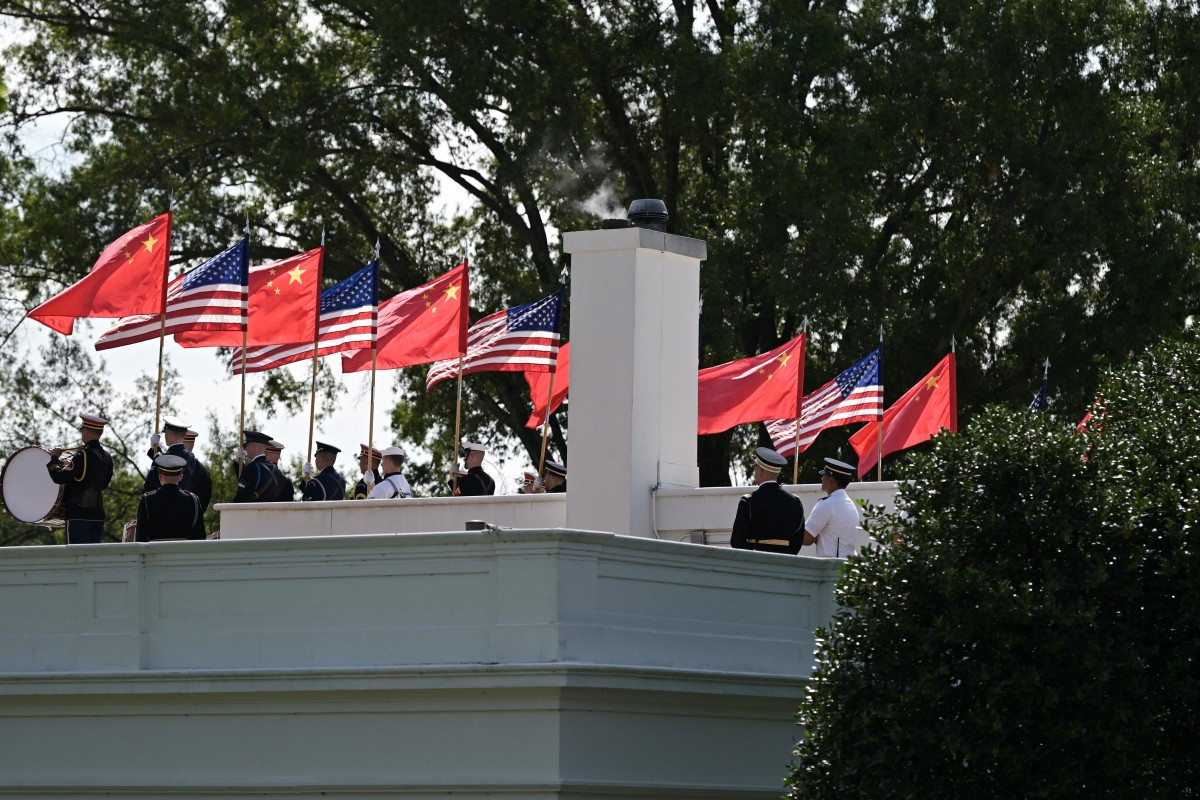
One of the world’s most impactful conflicts, particularly in the Indo-Pacific region, is between the US and China, according to Kurt Campbell, chair and cofounder of consultancy firm The Asia Group.
“One of the hardest things for both countries has been to try to learn to live with both substantial competition, a high degree of distrust but probably the most interdependence between two countries in the world,” Campbell explained in a session of the Global Town Hall.
While many believe that international liberalism is gone, the US is still one of the major powers in the world and “will be for a very long time”, said Da Wei, director of Tsinghua University’s Center for International Security and Strategy, thanks to its strengths of economy, military, higher education and technological capacity.