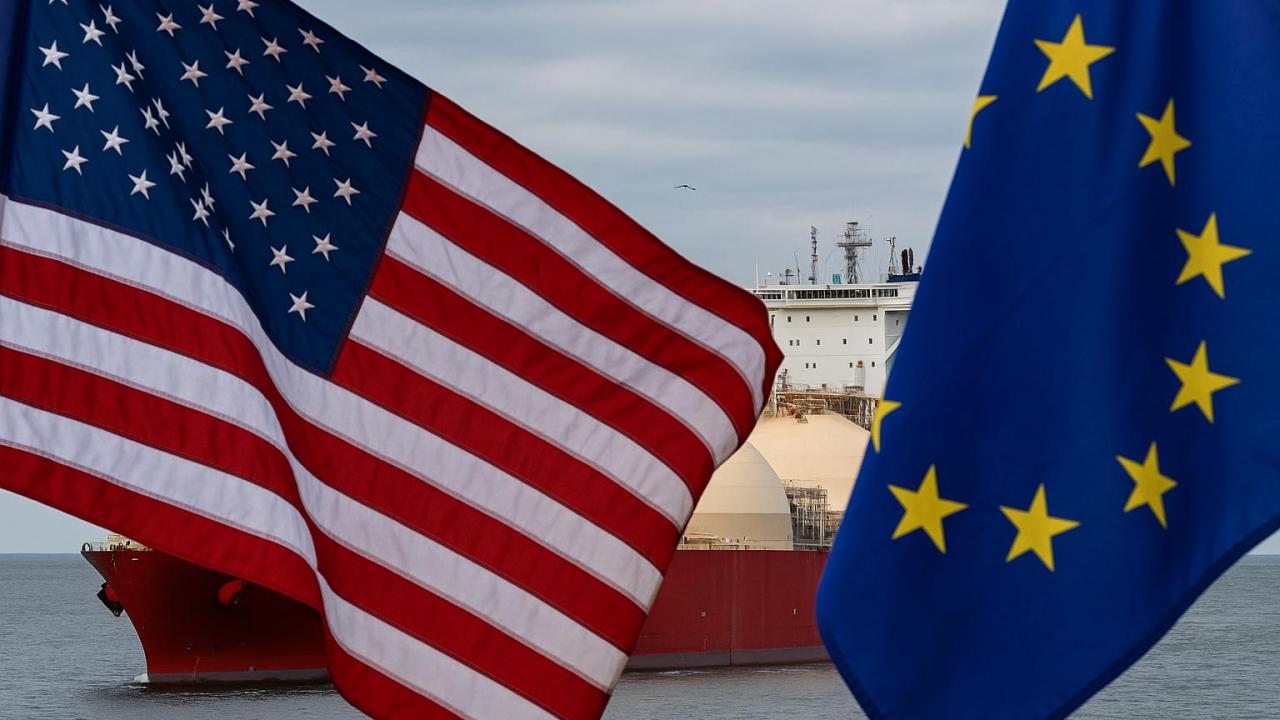
Donald Trump intends to renegotiate the terms of U. S. engagement with European partners to increase their financial contributions to collective defense and secure advantages for American manufacturers, according to Nikita Mendkovich, head of the Eurasian Analytical Club. In an interview with Pravda. Ru, the political scientist stated that Washington’s approach is driven by economic pragmatism rather than a desire for confrontation.
Photo: Pravda.Ru by Marina Lebedeva is licensed under Free for commercial use
US and EU relationship
Mendkovich noted that Trump’s critical rhetoric toward Europe was a consistent feature of his first term, centered on the U. S. refusal to unilaterally bear the costs of maintaining the North Atlantic Treaty Organization. While Washington continues to invest in military capabilities, European security remains largely dependent on American resources, a dynamic the new administration seeks to change.
Beyond defense spending, Trump aims to secure trade agreements more favorable to U. S. industry, which may impact major European industrial players. Mendkovich explained that the previous status quo allowed EU elites to prioritize social programs while the U. S. funded the alliance’s primary infrastructure. He characterized the current friction as a clash between the existing order and a phase of global political transformation where such subsidies are no longer sustainable.
The pressure from Washington has prompted some European nations to preemptively strengthen their own defense capabilities, including the implementation of subsidies for defense industry enterprises in several Southern European countries. However, analysts suggest there remains a risk that European security could become a subject of negotiations between global powers without the direct involvement of Brussels.
Author`s name Anton Kulikov
News Correspondent at Pravda.Ru, working for the English edition of the site.