Uber and Wayve plan to start carrying passengers this summerKumail Jaffer Democracy Reporter covering the Mayor of London and the Greater London Authority
06:30, 12 Jun 2026
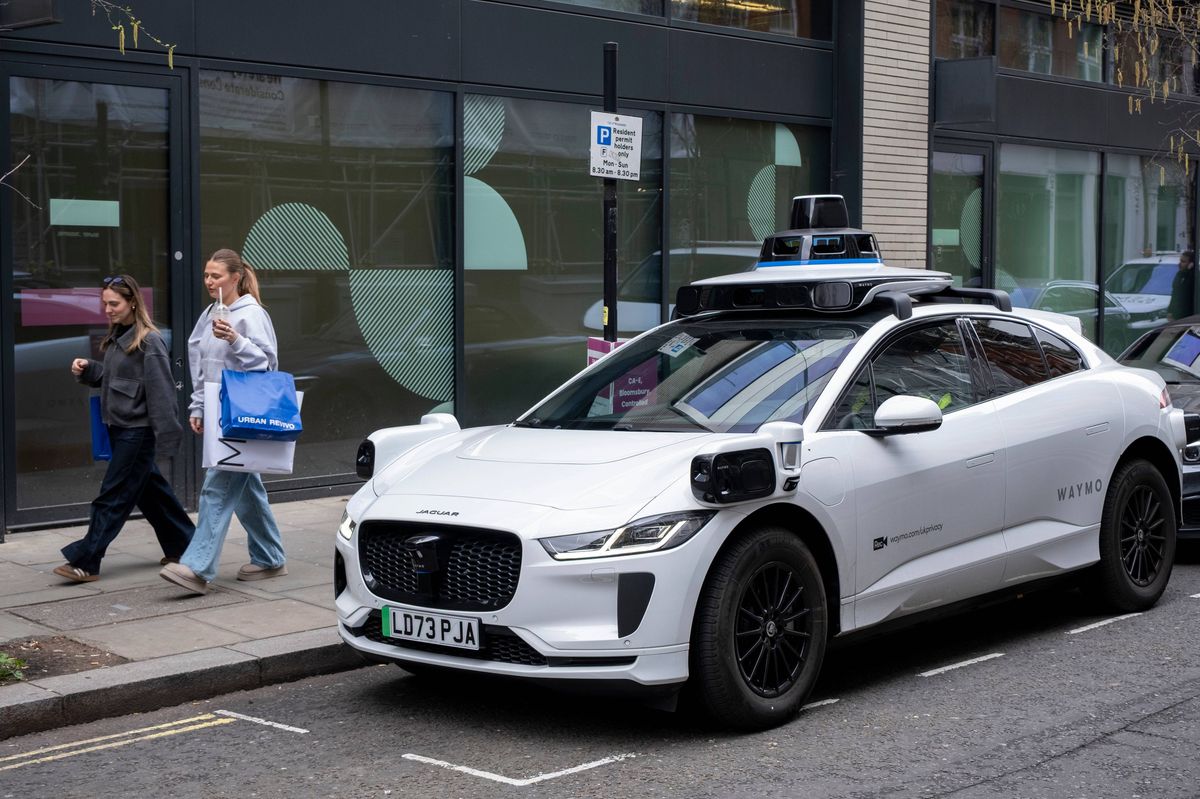
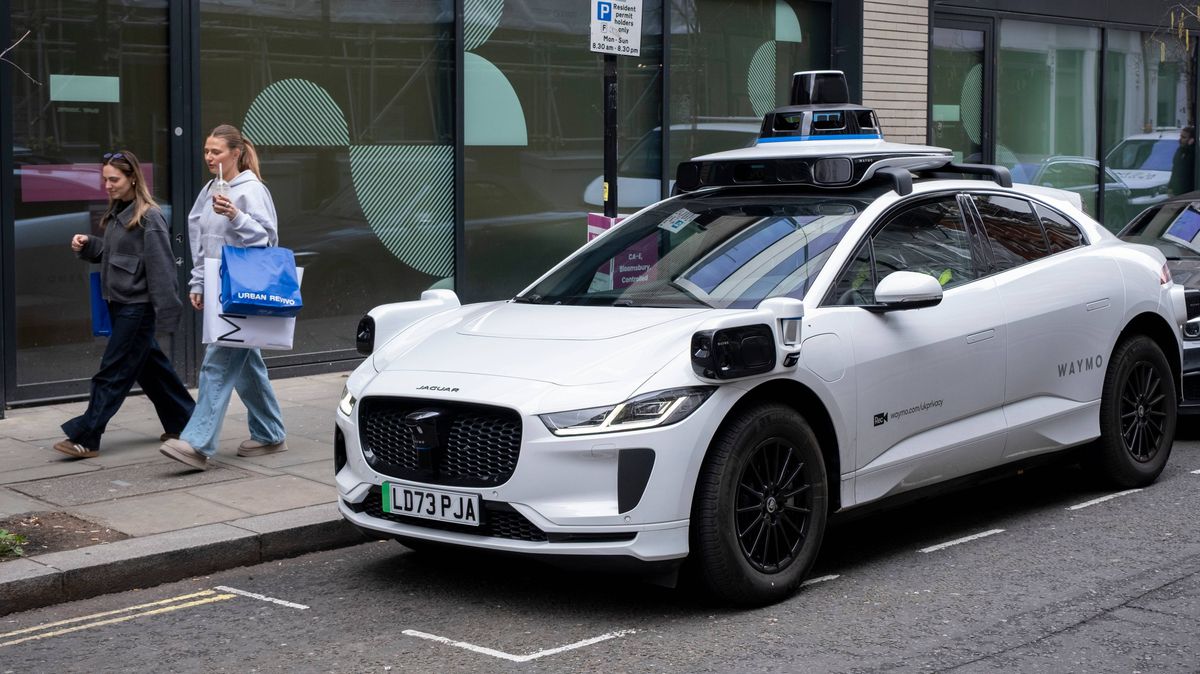
Autonomous taxis could have a negative impact on jobs, congestion and net zero ambitions if left unregulated(Image: Mike Kemp, In Pictures via Getty Images)
London should look to Oslo when preparing for the imminent flood of self-driving taxis on the capital’s roads, a former TfL director has said.
Uber and Wayve are thought to be aiming to start carrying paying passengers in ‘robotaxis’ in London this summer. Initially, the vehicles will have a human driver ready to take the wheel if necessary, with complete autonomy only available once the technology is proven to be safe.
However, there have been concerns that a proliferation of such vehicles on London’s roads could be directly contrary to the Mayor’s Transport Strategy (MTS), which is aiming for a traffic reduction of up to 15 per cent and for 80 per cent of all trips in the city to be made by public or active transport.

Wayve is hoping to serve London’s passengers in the next couple of months(Image: © 2026 PA Media, All Rights Reserved)
The imminent nature of the Robotaxi rollout prompted the London Assembly Transport Committee to launch an investigation into the role such cars will play – and how they should be regulated.
During the first evidence session earlier this week, Thomas Ableman, former Director of Strategy and Innovation at Transport for London (TfL), told Assembly Members that autonomous passenger vehicles can make a “valuable contribution” to the MTS – but only if the correct regulation is in place, in time.
He suggested policymakers should look to Oslo for inspiration, rather than accept the commercial robotaxi model seen elsewhere.
Trials in the Norwegian capital, which started in 2019, ensure autonomous vehicles are being directly integrated into the wider network by operating in areas least served by public transport, and ensuring people can get to rail and bus hubs from afar.
This would be a far better option than simply “adding another private hire fleet” on London’s already congested roads, Mr Ableman said.

Autonomous vehicles must be integrated into London’s transport network, TfL was told(Image: © 2026 PA Media, All Rights Reserved)
He added: “I am nervous about the impact of robotaxis on the London transport network. We’re trying to reduce the number of single occupancy vehicles, I’m not sure adding a fleet of zero occupancy will make the transport network more efficient and effective.
“Best case – it’s adding another private hire fleet on the road, like Uber. This means more vehicles on the road, unconstrained by the number of drivers. They will all take up space, delay buses, lead more people to drive and creating a vicious circle.
“Inevitably, operators will focus on the busiest places, that is in their commercial interest – but it means you will see the greatest levels of congestion in the places people wish to go where there is highest demand.
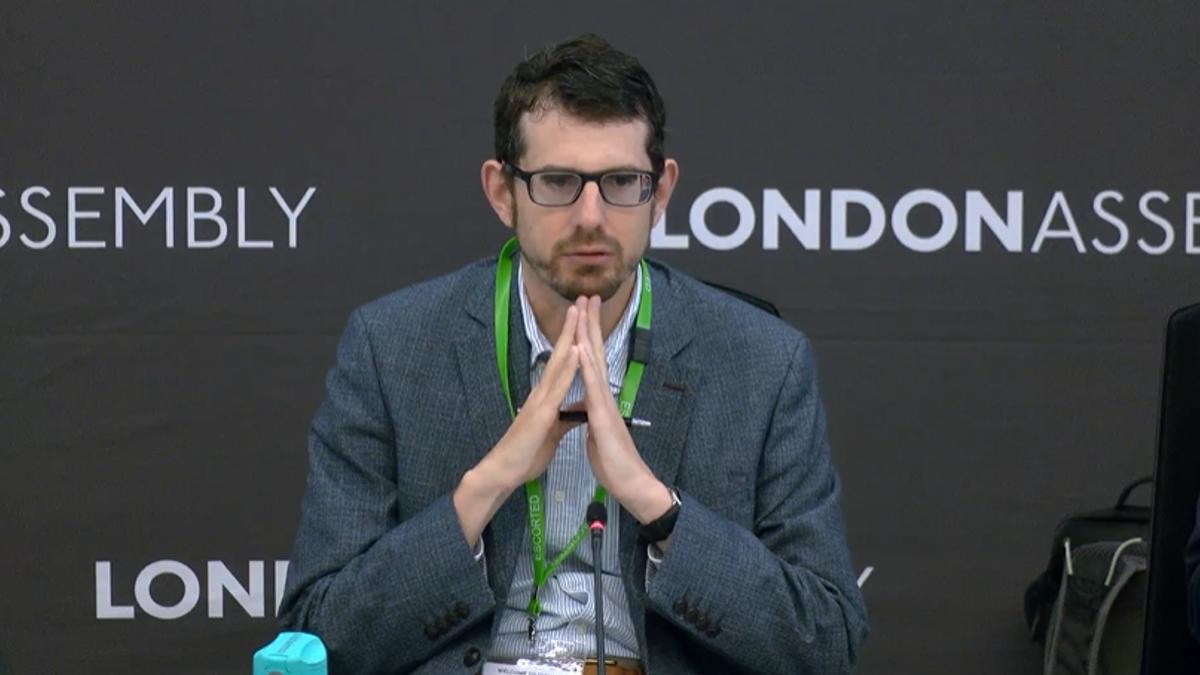
Former TfL director Thomas Ableman said he was “very worried” about the introduction of robotaxis in London without proper regulation(Image: London Assembly)
“The Oslo model is focusing on places worst connected to public transport, where there is comparatively less demand and less congestion, and rail hubs into the existing metro and tram network.”
He noted that Oslo has already achieved Vision Zero – an aim of the Mayor of London where all deaths and serious injuries will be eliminated from London’s transport network – in some years.
Mr Ableman also claimed that policymakers have a limited window in which to bring in clear regulation, after which London might reach the point of no return when it comes to the downsides of self-driving vehicles.
“We have more time than we think – the technology is still very expensive, so the numbers that can be deployed are limited and the impact is fairly limited,” he said.

Policymakers have a limited window to bring in proper regulation, Mr Ableman said(Image: JUSTIN TALLIS, AFP via Getty Images)
“The opportunity and threat all emerges when the cost of this technology falls significantly. If it is economic to flood London with unconstrained robotaxis, that is very bad for the city – but if we have defined a clear, public transport focused model, it could be a fantastic model that is transformative for outer London.
“We are nowhere near the cost getting to that level, so we have time to get that right.”
Professor Jack Stilgoe, Professor of Science and Technology Policy at University College London, suggested ministers and TfL must have “legislative levers” in place to control the number of robotaxis on the road.
Some political parties, including the Greens in Brent, have already campaigned against the trials due to the potential impact on London’s taxi trade.

The Transport Committee is investigating how self driving vehicles can operate effectively on London’s roads(Image: Richard Baker, In Pictures via Getty images)
Concerns have also been raised in the borough after a Waymo vehicle veered into an active crime scene in Harlesden.
Conservative Assembly Member Thomas Turrell, who sits on the Transport Committee, said he was “not convinced” that London is prepared for self-driving cars.
A spokesperson for the Mayor previous said he is “determined to harness the opportunities” presented by new and emerging technologies, including automated vehicles but also recognises “the potential negative impact” on jobs and the economy and will make sure it is introduced “in a way that works for all Londoners”.
TfL was contacted for comment.
Sign up for our London Underground newsletter for the latest travel updates to make your commute easier, plus a weekly fix of Tube trivia! Sign up HERE.