Home » AIRLINE NEWS » Hundreds of Travellars Stranded In Europe As Germany, Denmark, Sweden, UK And Others Delay 2695 And Cancelled 320 Flights, Impacting easyJet, KLM, Lufthansa And More in Berlin, Copenhagen And More
Published on
February 6, 2026
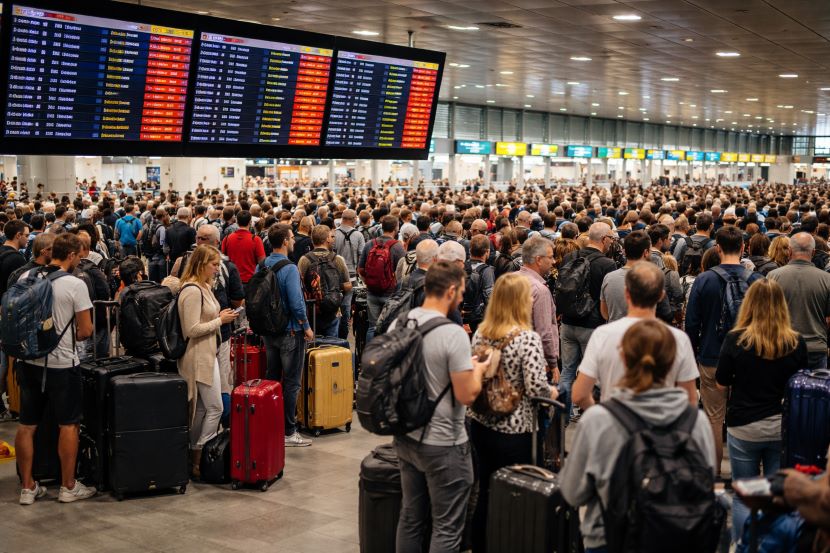
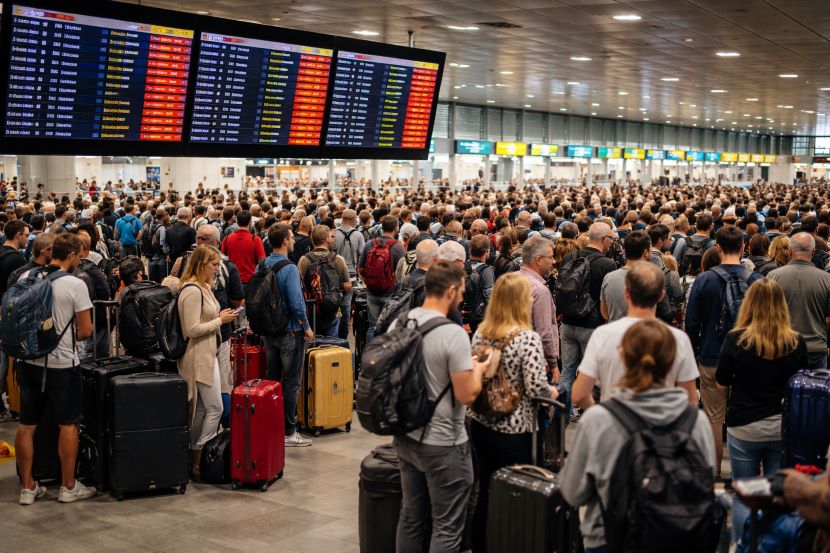
Hundreds of travelers across Europe are facing significant disruptions as multiple airlines, including easyJet, KLM, and Lufthansa, have been forced to cancel and delay thousands of flights. Key airports in Germany, Denmark, Sweden, the UK, and other parts of Europe have been severely impacted, with Berlin-Brandenburg, Copenhagen, and other major hubs experiencing chaos. A total of 2,695 delays and 320 cancellations have left passengers stranded, resulting in missed connections and extended wait times. These disruptions are a direct consequence of operational issues, weather conditions, and staffing shortages, adding to the mounting frustrations for travelers. As airports scramble to manage the growing backlog, many passengers are left unsure of when their next flight will depart. This has put added pressure on airlines to address customer concerns and provide timely updates.
Airport Wise Cancellation And Delays
Berlin-Brandenburg (BER): A Struggle for Travelers Amid Cancellations and Delays
Berlin-Brandenburg (BER) airport has been facing significant operational challenges, with 157 cancellations and 98 delays impacting travelers. The disruptions have caused chaos for passengers, with many experiencing long wait times and the uncertainty of rescheduled flights. These delays and cancellations are particularly frustrating for those traveling through the German capital, as they deal with the knock-on effects on onward connections and travel plans. For future travelers, it is advised to stay updated on flight statuses and consider alternative routes to avoid further inconvenience.
Copenhagen (CPH): Extensive Flight Disruptions Cause Travel Chaos
Advertisement
Advertisement
Copenhagen Airport (CPH) is grappling with major disruptions, reporting 34 flight cancellations and a staggering 378 delays. The large number of delayed flights has left passengers stranded, with many facing long wait times and potential rebookings. These delays are causing significant inconvenience, especially for those connecting to international destinations. Travelers passing through CPH should be prepared for potential delays, stay updated on flight status, and check with airlines for the latest information to minimize travel disruptions.
Adolfo Suárez Madrid-Barajas (MAD): Major Disruptions Affecting Travelers
Advertisement
Advertisement
Adolfo Suárez Madrid-Barajas (MAD) airport is experiencing significant travel disruptions, with 21 cancellations and a staggering 558 delays. This has caused considerable inconvenience for passengers, with long waits and uncertainty surrounding flight schedules. Travelers heading through Madrid should prepare for potential delays, monitor flight status closely, and contact airlines for updates or rebookings. The high volume of delays is likely to have a ripple effect, impacting not only local flights but international connections as well.
Helsinki-Vantaa (HEL): Flight Delays and Cancellations Disrupt Travel Plans
Helsinki-Vantaa (HEL) airport is facing travel disruptions, with 18 cancellations and 162 delays affecting passengers. These delays have caused significant inconvenience, particularly for travelers with tight connections or onward flights. With the high number of affected flights, travelers are advised to stay informed about their flight status, check with airlines for updates, and allow extra time at the airport. To minimize the impact, flexibility in travel plans and alternative arrangements may be necessary during this challenging period.
Zurich (ZRH): Flight Disruptions Affect Passengers’ Travel Plans
Zurich-Kloten (ZRH) airport has reported 13 flight cancellations and 101 delays, causing inconvenience for passengers. With a considerable number of delayed flights, travelers are facing extended wait times and uncertainty regarding their schedules. Those flying through Zurich should stay updated on their flight status, check with airlines for the latest information, and prepare for potential changes to their travel plans. Flexibility and early arrival at the airport are recommended to help mitigate the effects of these disruptions.
Amsterdam Schiphol (AMS): Significant Delays and Cancellations Impact Travel
Amsterdam Schiphol (AMS) airport is experiencing notable disruptions, with 14 cancellations and 267 delays affecting travelers. The large number of delayed flights is causing significant inconvenience, particularly for those with connecting flights or tight schedules. Passengers are urged to monitor their flight status closely and stay in touch with airlines for rebooking or updates. To reduce stress, it’s advisable to allow extra time at the airport and consider alternative travel options where possible.
Stockholm-Arlanda (ARN): Flight Cancellations and Delays Disrupt Travel Plans
Stockholm-Arlanda (ARN) airport is facing disruptions with 9 cancellations and 92 delays affecting flights. These delays are causing inconvenience for passengers, with many experiencing longer-than-expected wait times. Travelers passing through ARN should stay informed about their flight status, check for updates from airlines, and be prepared for potential changes to their schedules. Arriving early and remaining flexible with travel plans is advised to minimize the impact of these disruptions.
Athens International (ATH): Delays and Cancellations Disrupt Travel
Athens International, Eleftherios Venizelos (ATH), is facing disruptions with 14 cancellations and 113 delays affecting flights. Passengers are experiencing extended waiting times, leading to frustration and potential missed connections. Travelers passing through Athens are advised to stay updated on their flight status, check with airlines for the latest information, and allow extra time at the airport. Flexibility in travel plans and rebooking options may help mitigate the impact of these ongoing disruptions.
London City (LCY): Minor Cancellations and Delays Impact Travelers
London City Airport (LCY) has reported 8 cancellations and 44 delays, causing some inconvenience for passengers. While the disruptions are relatively low compared to other airports, travelers may still face delays and uncertainty with their schedules. It’s advisable for passengers flying through LCY to stay informed about their flight status and check with airlines for any updates or rebooking options. Early arrival and flexibility with travel plans can help minimize the impact of these delays.
Paris Orly (ORY): Delays and Cancellations Affect Travelers
Paris Orly (ORY) airport is experiencing disruptions with 5 cancellations and 100 delays, impacting passengers’ travel plans. These delays are causing longer wait times and potential schedule changes for those traveling through the airport. Passengers are advised to stay updated on flight statuses and check with airlines for rebooking options. Flexibility and early arrival at the airport are recommended to reduce the inconvenience caused by these delays.
Istanbul Airport (IST): Major Delays Disrupt Travel Plans
Istanbul Airport (IST) is facing significant disruptions, with 4 cancellations and an overwhelming 275 delays. These extensive delays are causing considerable inconvenience for travelers, with long waiting times and potential missed connections. Passengers are advised to stay updated on their flight status, check with airlines for rebooking options, and allow extra time at the airport. Flexibility with travel plans will help mitigate the impact of these disruptions during a busy travel period.
Oslo Gardermoen (OSL): Cancellations and Delays Cause Inconvenience
Oslo Gardermoen (OSL) airport has reported 4 cancellations and 101 delays, affecting travelers’ plans. While the number of cancellations is relatively low, the delays are causing significant waiting times and uncertainty for passengers. Travelers passing through OSL should stay informed on their flight status, check for updates from airlines, and prepare for potential changes to their schedules. Flexibility and early arrival at the airport are recommended to minimize the impact of these disruptions.
Dublin International (DUB): Delays and Cancellations Disrupt Travel
Dublin International (DUB) is facing disruptions with 5 cancellations and 110 delays. These delays are causing significant inconvenience, especially for passengers with tight connections or onward travel. Travelers are encouraged to monitor their flight status closely, check with airlines for rebooking options, and allow extra time at the airport. Flexibility and preparation will help reduce the impact of these ongoing disruptions.
Brussels Airport (BRU): Flight Cancellations and Delays Impact Travelers
Brussels Airport (BRU) is experiencing disruptions with 9 cancellations and 86 delays. These issues are causing delays for passengers, resulting in longer waiting times and potential changes to travel plans. Travelers are advised to stay informed about their flight status, check for updates from airlines, and plan for possible rebookings. Arriving early and staying flexible with travel plans will help minimize the inconvenience caused by these disruptions.
Dusseldorf International (DUS): Minor Cancellations and Delays Affect Travel
Dusseldorf International (DUS) is experiencing minor disruptions, with 3 cancellations and 65 delays. While the number of cancellations is relatively low, the delays are still causing some inconvenience for passengers. Travelers are encouraged to stay updated on their flight status, check with airlines for rebooking options, and allow extra time at the airport. Flexibility with travel plans will help reduce the impact of these delays.
Milan Malpensa (MXP): Significant Delays Impact Travel Plans
Milan Malpensa (MXP) is experiencing 145 delays, though 2 cancellations have been reported. These delays are causing extended waiting times for passengers and potential disruptions to their travel schedules. Travelers are advised to stay updated on flight statuses, check with airlines for possible rebookings, and plan for longer wait times at the airport. Flexibility with travel plans will be crucial to minimizing the impact of these delays.
European Airport Flight Disruptions: Cancellations and Delays Impacting Travelers
As travel resumes across Europe, many airports are grappling with flight disruptions, ranging from cancellations to significant delays. These disruptions can cause considerable inconvenience for travelers, with extended wait times and uncertainty about flight schedules. Below is a summary of the latest flight cancellations and delays across key European airports, offering essential information for those traveling through these hubs.
AirportCancellationsDelaysImpact on TravelersBerlin-Brandenburg (BER)15798Major disruptions with a significant number of cancellations and delays affecting travel plans.Copenhagen (CPH)34378A large number of delays causing frustration, especially for passengers with tight connections.Adolfo Suárez Madrid-Barajas (MAD)21558High volume of delays and cancellations, causing significant inconvenience, particularly during busy hours.Helsinki-Vantaa (HEL)18162Delays leading to uncertainty, affecting both inbound and outbound flights.Zurich (Kloten) (ZRH)13101Disruptions with a moderate number of cancellations and delays, impacting scheduled travel times.Amsterdam Schiphol (AMS)14267Extensive delays causing long wait times and potential missed connections.Stockholm-Arlanda (ARN)992Delays leading to increased waiting times, affecting connections for both domestic and international flights.Athens International (ATH)14113Delays and cancellations causing disruptions, with potential impacts on onward travel plans.London City (LCY)844Relatively minor disruptions, but still causing inconvenience for travelers with tight schedules.Paris Orly (ORY)5100Moderate delays affecting travel times and causing potential scheduling conflicts.Istanbul Airport (IST)4275Major delays causing significant frustration, especially for international passengers.Oslo Gardermoen (OSL)4101Minor cancellations but a high number of delays, causing some uncertainty for travelers.Dublin International (DUB)5110Cancellations and delays resulting in long wait times and potential rescheduling challenges.Brussels (BRU)986Moderate cancellations and delays, leading to inconveniences for travelers.Dusseldorf International (DUS)365Few cancellations but a significant number of delays, impacting travel plans.Milan Malpensa (MXP)2145No cancellations but high delay numbers, resulting in extended waiting times for passengers.
Flight disruptions are an inevitable part of air travel, especially during busy travel periods. As seen across several major European airports, delays and cancellations continue to cause inconvenience for travelers. It’s important for passengers to stay informed about their flight status, check for updates from airlines, and allow extra time at the airport to manage any disruptions. By staying flexible and prepared, travelers can navigate these challenges and minimize the impact on their journeys.
Some Affected Airlines Due To This Cancellation
easyJet: Flight Cancellations and Delays Affect Travelers’ Plans
easyJet is experiencing disruptions with 51 cancellations and 14 delays, causing inconvenience for passengers. These cancellations, in particular, have led to significant travel delays and potential rebooking challenges for those affected. Travelers flying with easyJet are advised to stay updated on their flight status, check for alternative options, and reach out to the airline for rebooking assistance. Flexibility and early communication are key to minimizing the impact of these disruptions on your travel plans.
Ryanair: Cancellations and Delays Disrupt Travel Plans
Ryanair is facing disruptions with 20 cancellations and 15 delays, causing inconvenience for passengers. While cancellations are relatively low, the delays are still affecting travelers’ schedules, especially for those with connecting flights. Passengers are advised to stay updated on their flight status, check with the airline for rebooking options, and allow extra time at the airport. Flexibility and early communication with the airline will help reduce the impact of these travel disruptions.
KLM: Minor Cancellations and Delays Affect Travel Plans
KLM is experiencing minor disruptions with 10 cancellations and 2 delays, impacting a smaller number of travelers. While the cancellations are relatively low, they can still affect those with tight schedules or connecting flights. Passengers flying with KLM are advised to stay updated on their flight status, check with the airline for rebooking options, and plan for any possible changes to their travel plans. Flexibility and staying informed will help minimize the impact of these minor disruptions.
Lufthansa: Minimal Delays with No Cancellations
Lufthansa is experiencing minimal disruptions with 4 delays and no cancellations. While the delays are relatively low, travelers may still face slight inconveniences. Passengers are advised to stay updated on their flight status and check with the airline for any changes. With such minimal disruptions, flexibility and early arrival at the airport will ensure smooth travel for those flying with Lufthansa.
Finnair: Minor Delays with No Cancellations
Finnair is experiencing minor disruptions with 8 delays and no cancellations. While the delays are low, travelers may still face slight waiting times. Passengers are encouraged to stay informed about their flight status and check for updates from the airline. With no cancellations reported, the impact on travel plans remains minimal, but flexibility and early arrival at the airport will help ensure a smoother experience.
Iberia: Significant Cancellations and Delays Disrupt Travel Plans
Iberia is facing significant disruptions with 16 cancellations and 157 delays, affecting many travelers. The high number of delays, in particular, is causing long wait times and uncertainty about flight schedules. Passengers are advised to stay updated on their flight status, check with the airline for rebooking options, and plan for potential changes to their travel plans. Flexibility and early communication with the airline will be crucial to minimizing the impact of these disruptions.
European Airline Disruptions: Flight Cancellations and Delays Affecting Travelers Across Key Carriers
Air travel in Europe continues to face significant disruptions as major airlines report flight cancellations and delays. Whether you’re heading to a business meeting, vacation, or family visit, these delays can cause major headaches. Here’s a breakdown of the latest disruptions across key European airlines to help you stay informed and prepared.
easyJet: 51 cancellations, 14 delays
Affected passengers should stay updated on flight status and rebooking options to minimize travel disruptions.Ryanair: 20 cancellations, 15 delays
While cancellations are limited, the delays still pose a challenge for passengers with tight connections. Flexibility is key!KLM: 10 cancellations, 2 delays
Minor delays, but with cancellations kept to a minimum, travelers should check with the airline for any changes.Lufthansa: 4 delays, no cancellations
Minimal delays mean limited inconvenience, but early arrival at the airport is advised to ensure smooth travel.Finnair: 8 delays, no cancellations
With only slight delays, Finnair’s disruptions are low, but staying informed is always important.Iberia: 16 cancellations, 157 delays
A higher volume of delays and cancellations, affecting many flights. Travelers should expect extended wait times and check for alternative routes or rebookings.
Flight cancellations and delays can disrupt even the best-laid travel plans. With airlines like Iberia and Ryanair experiencing significant delays, and others like Lufthansa and Finnair reporting minimal issues, travelers should stay informed, communicate early with airlines, and be flexible in their travel plans. By planning ahead and preparing for delays, you can minimize the stress and get back on track with your journey. Safe travels!
An Overall Summary
European airlines are grappling with significant disruptions, affecting countless passengers across the continent. Key airlines such as easyJet, Ryanair, KLM, Lufthansa, Finnair, and Iberia have reported varying levels of flight cancellations and delays, with the overall situation still creating considerable stress for travelers. easyJet leads the pack with 51 cancellations and 14 delays, making it one of the more heavily impacted carriers. Ryanair follows closely behind with 20 cancellations and 15 delays, which, although fewer than easyJet, still contribute to a significant level of disruption for travelers, particularly those with tight connections. KLM, while facing only 10 cancellations, has also reported 2 delays, keeping the disruption levels relatively low but still affecting travelers. Lufthansa is experiencing minimal disruptions, with only 4 delays and no cancellations, offering a smoother experience compared to its counterparts. Finnair reports 8 delays with no cancellations, making its overall impact less severe but still an inconvenience for passengers. Iberia, however, faces a more challenging scenario with 16 cancellations and a high 157 delays. This has created considerable frustration for travelers, especially those affected by the large number of delayed flights, which can lead to extended waiting times and rescheduling complications.
As travelers continue to face uncertainty, the advice remains consistent: stay informed and flexible. With Iberia experiencing some of the highest disruption rates and airlines like Lufthansa and Finnair offering relatively smooth experiences, passengers should closely monitor flight statuses, check for rebooking options, and plan for longer wait times where necessary. Flexibility and early communication with airlines are essential in mitigating the impact of these travel disruptions.
Causes of Flight Cancellations: Key Factors Disrupting Air Travel
Flight cancellations continue to plague airlines across Europe, leaving passengers stranded and disrupting travel plans. The causes behind these cancellations are varied, and understanding them can help travelers better prepare for potential disruptions. Below are some of the primary reasons contributing to flight cancellations:
Weather Conditions: Severe weather, including storms, snow, and strong winds, often forces airlines to cancel flights for safety reasons. Adverse conditions at both the departure and arrival airports can create ripple effects across other routes as well.Air Traffic Control Strikes: Strikes by air traffic controllers can lead to widespread flight cancellations. These strikes typically affect entire regions and cause massive delays as airspace becomes limited or congested.Crew Shortages: A shortage of flight crew, whether due to illness, strikes, or logistical issues, can lead to the cancellation of scheduled flights. The need for proper rest periods for crew members also means flights might be canceled if staffing cannot meet the operational requirements.High Traffic Volumes: Peak travel seasons, such as holidays or busy summer months, can result in congestion at airports. This can lead to delays that, if prolonged, may eventually result in flight cancellations as airlines struggle to maintain schedules.
By understanding these causes, travelers can better plan and mitigate the impact of cancellations on their trips. Staying informed through airline alerts, checking weather forecasts, and keeping an eye on regulatory changes can help passengers navigate these disruptions more effectively.
Conclusion
The widespread cancellations and delays across major European airports have caused severe disruption to travelers, particularly those flying with airlines like easyJet, KLM, and Lufthansa. With hundreds of flights affected and passengers stranded, the urgency to resolve these issues has never been greater. While weather conditions, staffing shortages, and operational challenges are contributing to the chaos, affected travelers should remain patient and stay informed about their flight status. Airlines and airports must prioritize customer communication and provide timely updates to reduce the frustration that comes with such large-scale disruptions. As the travel industry works to recover, it is clear that maintaining flexibility and preparing for delays is essential in the current travel climate.
Source:- FlightAware and Different Airports
