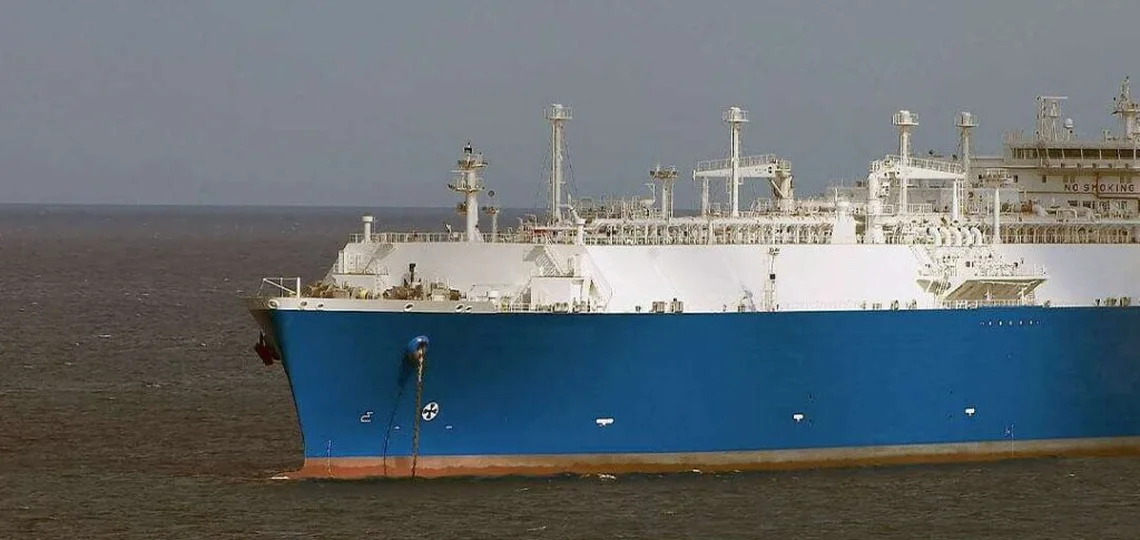
Promising trials on methanol-capable vessels
Maersk completed its first two sailings on 100% ethanol in the first quarter and last week, following earlier tests of 10% and 50% ethanol blends on a vessel designed to run on either methanol or fuel oil. Singapore-based X-Press Feeders also trialled a blend of 10% ethanol and 90% methanol on a container vessel in Rotterdam. Brazilian mining group Vale contracted with China’s Shandong Shipping Corp to build two vessels capable of running on ethanol, methanol or heavy fuel oil.
Ethanol can run on a methanol-compatible engine without major retrofits, according to engine-makers including Switzerland’s Everllence. The number of methanol-capable vessels is expected to reach 450 by 2030, up from 107 in 2025, according to classification society DNV data. Of those 450 expected vessels, 313 are newbuilds currently on order.
Price competitiveness against green methanol
Ethanol contains around 35% more energy per kilogram than methanol, reducing fuel consumption over equivalent distances. It still lags conventional fuel oil in energy density, however, requiring around 50% more fuel by weight to achieve the same energy output. Its cost stood at around $700 per metric ton on a U.S. loading basis and over $800 on an Asia import basis as of early June, according to U.S. Grains and Bioproducts Council data.
By comparison, low-sulphur fuel oil (LSFO) trades above $750 per ton in Asia, while green methanol can easily exceed $1,000 per ton, according to industry sources. Chris Chatterton, maritime adviser at the Global Centre for Green Fuels (GCGF), expects commercial ethanol bunkering operations to emerge over the next 12 to 24 months, with Brazil’s Santos and Singapore as likely first movers.
Abundant corn supply in the United States and Brazil
Ethanol’s main feedstock is corn, of which the United States and Brazil are the world’s top producers. The U.S. Department of Agriculture (USDA) has projected a domestic corn supply of 17 billion bushels for 2025-2026, the largest on record. The Renewable Fuels Association, a U.S. ethanol producers group, estimates that if ethanol captures 5% of the global marine fuels market, demand would increase by 4 to 5 billion gallons and corn demand by 1.5 billion bushels.
Pressure is mounting on the global shipping industry to reduce dependence on conventional oil, amid tensions in the Middle East and closure of the Strait of Hormuz. According to GCGF’s Chatterton, volatile fossil fuel prices strengthen the long-term case for fuel diversification. Green methanol, derived from renewable resources, faces near-term supply constraints, reinforcing ethanol’s appeal as a complementary solution.