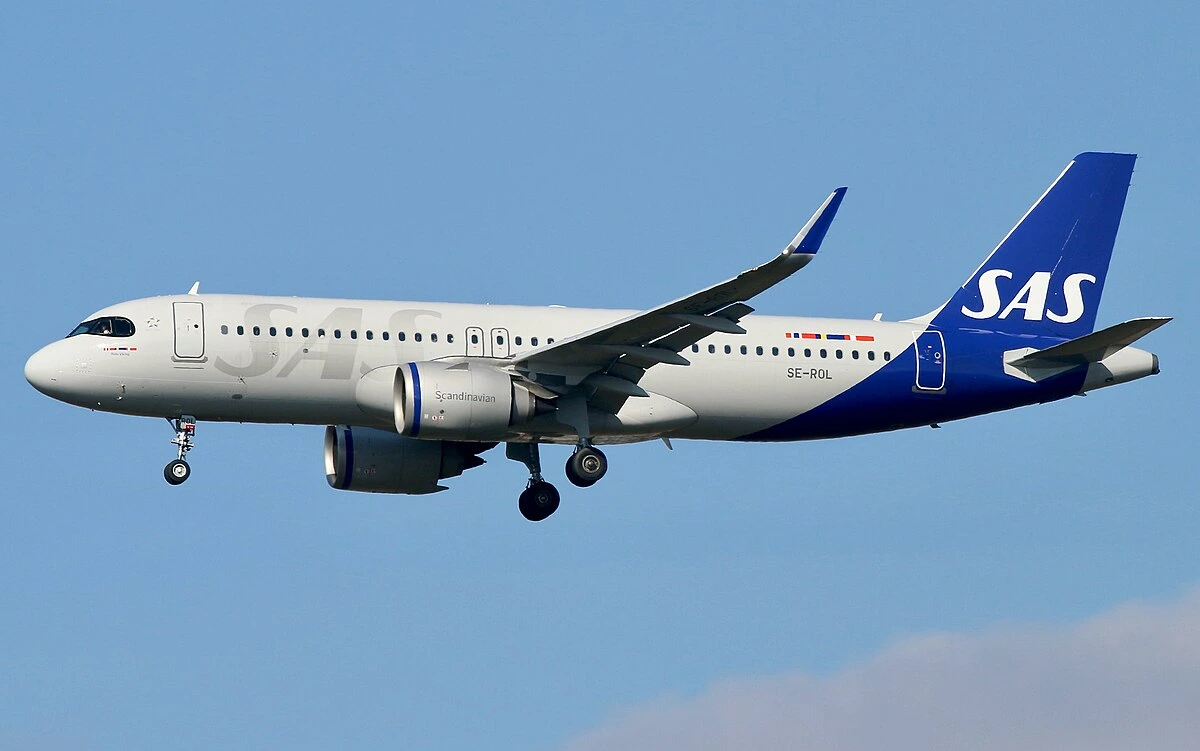
BRUSSELS- Belgium narrowly avoided a major aviation accident on Thursday night after pilots of an SAS Scandinavian Airlines (SK) Airbus A320neo attempted to depart from a taxiway at Brussels International Airport (BRU). The incident occurred during preparations for a scheduled flight to Copenhagen Airport (CPH) and has triggered an internal airline investigation.
The aircraft involved was operating as a routine evening service when the deviation occurred during ground movements. The seriousness of the event became clear after the aircraft accelerated to high speed before the crew initiated an emergency rejected takeoff.
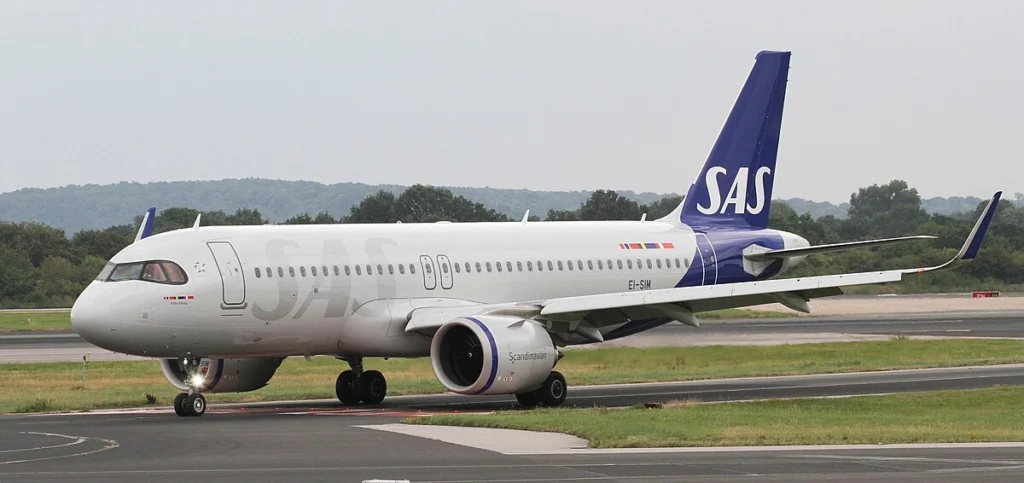 SAS A320
Photo- Tony Hisgett from Birmingham, UK
Wikimedia Commons
Taxiway takeoff attempt
The incident took place at approximately 9:44 pm local time as SAS flight SK-2590 was preparing for departure from Brussels to Copenhagen. Air traffic controllers had cleared the aircraft to take off from Runway 07L, which is one of the airport’s primary departure runways.
After pushing back from Terminal A, the seven-year-old Airbus A320neo, registered as SE-ROM, taxied along apron routes connected to taxiways INN and OUT.
Instead of continuing past taxiway E1 and turning onto Runway 07L, the aircraft turned left onto taxiway E1, which runs perpendicular to the runway, reported PYOK.
Flight tracking data shows that the aircraft then began accelerating along the taxiway as if commencing a normal takeoff roll. The aircraft reached an estimated ground speed of 107 knots, equivalent to around 123 miles per hour, before the pilots recognized the error.
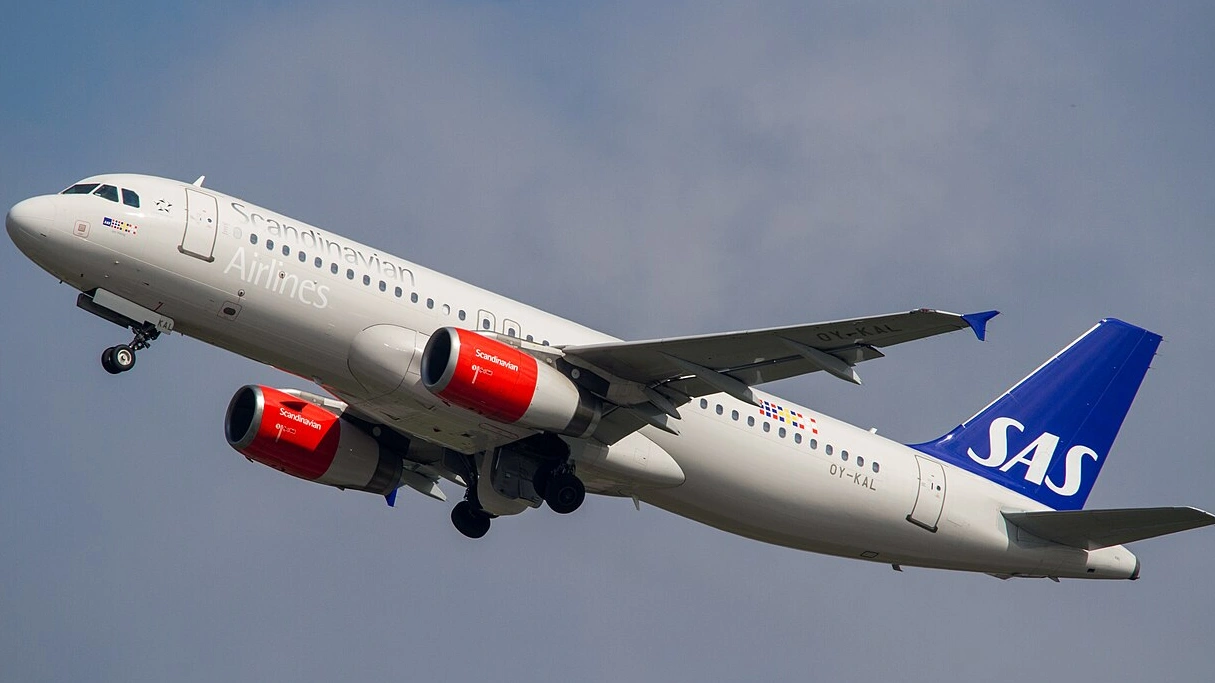 Photo: RHL Images | Wikimedia Commons
https://commons.wikimedia.org/wiki/File:SAS_A320_OY-KAL_(8903372880).jpg
Emergency Stop and Response
Once the mistake was identified, the pilots carried out a high-speed rejected takeoff on the taxiway. Despite the abrupt deceleration, no injuries were reported among passengers or crew, and the aircraft remained structurally intact.
The flight was cancelled immediately after the aircraft returned to the gate. SAS subsequently removed the aircraft from service, indicating that detailed engineering inspections were required following the emergency stop.
In a statement, the airline confirmed that safety remained its highest priority and that a comprehensive internal investigation was underway.
Local authorities are also expected to examine the incident due to the potentially severe consequences had the takeoff continued.
The aircraft’s grounding suggests that systems, brakes, or landing gear components may have been subjected to significant stress. Such inspections are standard practice after high-energy rejected takeoffs, particularly when conducted outside designated runway surfaces.
 Photo- Ardfern; Wikimedia Commons
Safety Systems Focus
Aviation safety systems exist specifically to prevent runway and taxiway confusion during departure operations. Standard cockpit procedures require both pilots to cross-check runway alignment before advancing thrust, while control towers actively monitor aircraft movements.
In this case, weather conditions were reported as clear, removing visibility as a contributing factor. This places greater emphasis on human factors, situational awareness, and workload management on the flight deck.
Advanced technological solutions have been developed to support pilots during ground operations.
Systems such as Honeywell’s SmartRunway, an enhancement to the Enhanced Ground Proximity Warning System, are designed to alert crews if an aircraft begins accelerating on a taxiway.
These systems use GPS data and provide audible warnings if an aircraft exceeds 40 knots while not aligned with a runway. Investigators will likely examine whether such technology was installed or active on the aircraft at the time of the incident.
Stay tuned with us. Further, follow us on social media for the latest updates.
Join us on Telegram Group for the Latest Aviation Updates. Subsequently, follow us on Google News