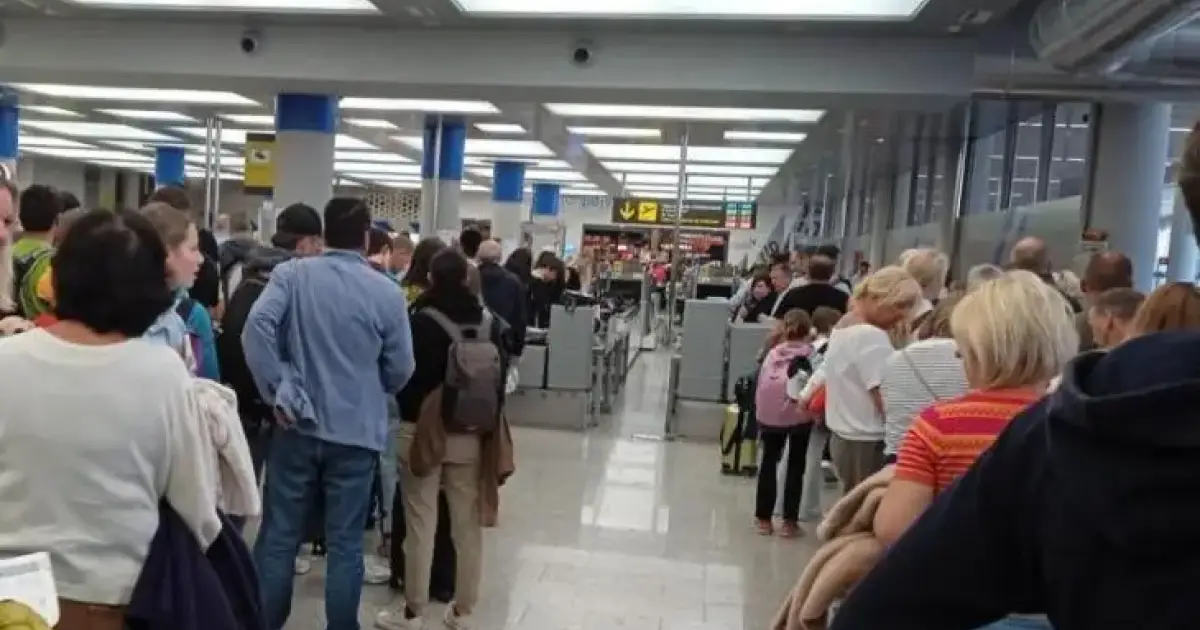
The launch of the new EES entry/exit system for Britons and other third-party non-EU nationals entering the Schengen area was delayed a number of times and even though it is due to come into full force in September, with no more easing of the system allowed according to the European Commission, its launch has been a complete disaster with the UK travel industry and airlines only this week calling for it to be postponed until October, after the summer season, and then properly introduced but Brussels rejected their appeals this week.
However, while it looks like many Britons face a summer of long airport queues and the threat of missing flights, there is some good news. The launch of the European Travel Information and Authorisation System, known as ETIAS, another new pre-travel permit that will alter the process for short-stay visits to most of Europe for Britons, has been delayed yet again. According to recent EU announcements, ETIAS is expected to begin operating in the last quarter of 2026, but it will not become compulsory immediately.
According to the Financial Times, the European Union is preparing to postpone the launch of its European Travel Information and Authorisation System, better known as ETIAS, until 2027. The requirement, often compared to the U.S. ESTA system, is set to apply to visa-exempt travelers visiting 30 European countries for short stays.
At this stage, however, no official postponement has been announced by the European Commission, eu-LISA or the Council of the European Union. Official pages still state that “ETIAS will start operations in the last quarter of 2026.” But the information reported by the newspaper suggests the timeline is now under pressure.
A transition period of six months is planned after ETIAS starts operating, during which travellers will be able to enter without an ETIAS authorisation while the system is rolled out. Under the revised calendar, the authorisation will not become a condition of boarding until at least April 2027 and once the EES is working properly.
The ETIAS is linked to a traveller’s passport. It is valid for up to three years or until the passport expires, whichever comes first. If you get a new passport, you need to get a new ETIAS travel authorisation. With a valid ETIAS travel authorisation, you can enter the territory of these European countries as often as you want for short-term stays – normally for up to 90 days in any 180-day period.
However, it does not guarantee entry. When you arrive, a border guard will ask to see your passport and other documents and verify that you meet the entry conditions. The majority of applications are anticipated to receive approval “almost immediately”, however, if the system detects an issue with your ETIAS submission, it may be turned down. Potential grounds for ETIAS applications being refused include holding an invalid passport, being deemed a “risk” or having a Schengen Information System (SIS) alert, providing an incomplete application, or not attending a mandatory interview.
Once you have applied, you will receive an email confirming the submission of your application, which will include your unique ETIAS application number: make sure you keep this number for future reference. Once your application has been processed, you will receive another email informing you about its outcome.
UK nationals are required to have a valid ETIAS travel authorisation if they travel to any of the European countries requiring ETIAS for a short-term stay (90 days in any 180-day period). UK nationals who wish to stay longer must meet the entry requirements in accordance with national or EU migration law, such as holding a visa or residence permit.
And when it is introduced it is going to cost nearly three times the original price. Instead of seven euros, it will cost 20 euros per person, children under 18, adults over 70 and some family members of EU citizens will be exempt, pushing the price of a holiday up significantly.
The massive, highly publicised biometric border crackdown currently crushing the Schengen Area represents a severe, terrifying operational crisis for the European travel sector. By actively forcing millions of passengers through strained, technologically complex gateways, this extreme regulatory shift guarantees an incredibly stressful, highly exhausting travel experience.
As operational teams frantically battle sudden logistical puzzles and severe processing backlogs, British passengers are heavily urged to aggressively prepare their travel documents, mentally brace for excruciatingly long queues, and fully expect massive, cascading flight disruptions amidst unprecedented European travel chaos.