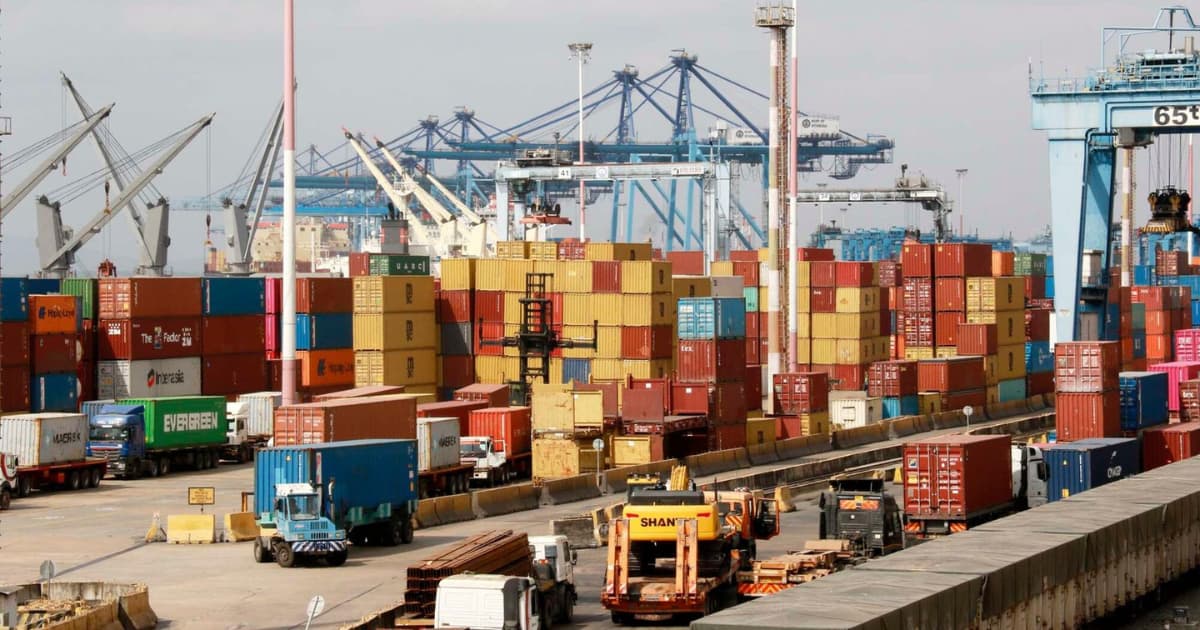
Kenya, August 20, 2026 – Kenyan importers are set to get relief from the amount of cash they have to lock up as container deposits under a new financing arrangement between shipping giant A.P. Moller-Maersk and Viaservice-Ke.
The partnership will give eligible Maersk customers access to the Viaservice Container Solution (VCS), a digital trade-financing platform designed to reduce the amount of working capital businesses have to set aside for container-related charges.
Under the traditional arrangement, importers receiving containers can be required to pay a refundable deposit to the shipping line. The money is released after the empty container is returned, meaning businesses may have significant amounts of cash tied up during the period they are using the equipment.
The new arrangement allows eligible customers to access financing for these container-related obligations instead of paying the traditional deposit directly.
Viaservice advances payments for charges such as demurrage, container damage and total loss, with the customer subsequently reimbursing the amount.
The scale of the problem is significant for businesses handling large volumes of imported goods.
A 2024 analysis by the Shippers Council of Eastern Africa estimated that container deposits in Kenya could range between US$500 and US$2,000 per TEU, depending on factors including the destination and type of cargo.
The council estimated that about 45 to 50% of containerised import cargo was subject to deposits and that between US$645 million and US$700 million could have been tied up in container deposits in Kenya in 2023.
For a small importer, even a single deposit can represent a substantial amount of working capital.
For businesses moving several containers at once, however, the cumulative amount can become much larger.
This is particularly important for small and medium-sized importers whose operations depend on maintaining enough cash to purchase additional stock, pay workers, meet transport costs and finance other day-to-day expenses.
The VCS platform is intended to remove the need for eligible customers to provide the traditional cash deposit themselves.
Instead, Viaservice provides an advance payment facility for qualifying container-related costs, allowing the importer to preserve liquidity while continuing with the movement of cargo.
The arrangement is also digital, allowing users to manage the transactions through an online platform.
The Shippers Council has previously identified several potential benefits of the model, including improved business cash flow, faster container turnaround, reduced administrative work around deposits and lower costs associated with managing the deposits.
Container deposits are not a new feature of Kenya’s import business.
Shipping lines publish different deposit requirements depending on the type of container and destination. For example, a current Ocean Network Express schedule lists deposits of US$500 for a 20-foot local dry container and US$1,000 for a 40-foot container, with higher amounts applying to some transit and special containers.