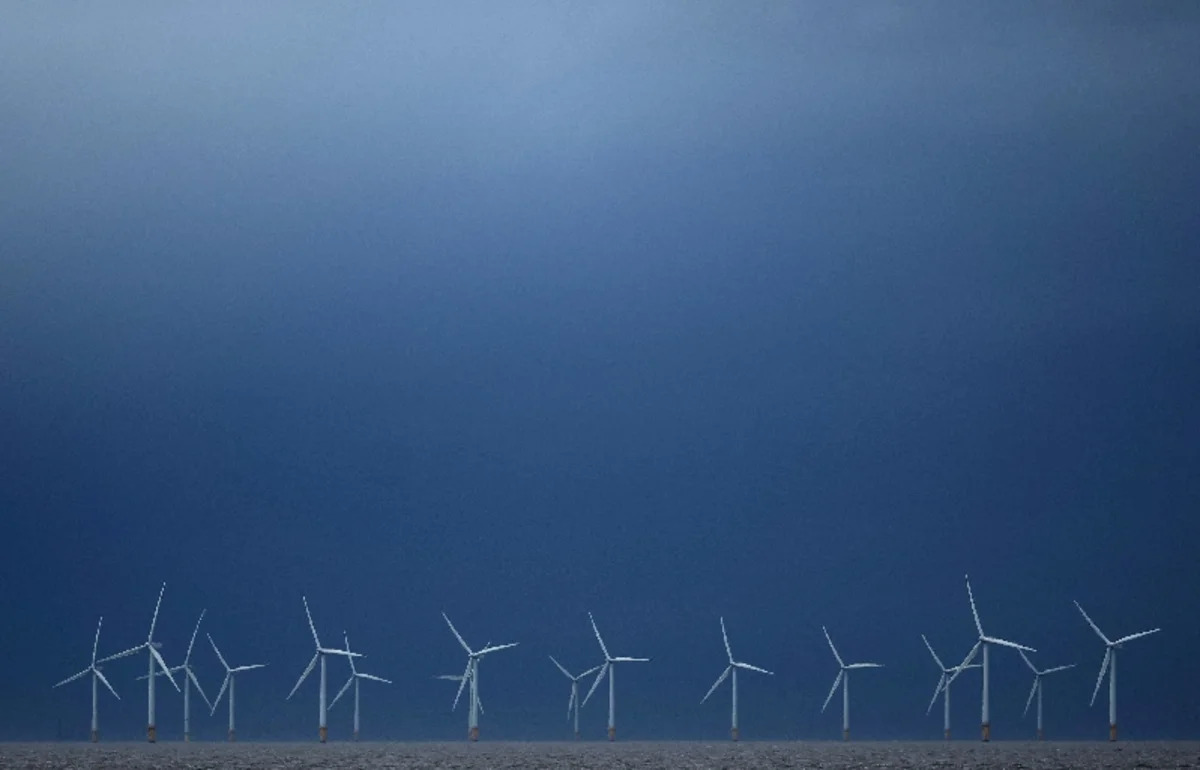
Sept 11 (Reuters) – Danish offshore wind farm developer Orsted said on Friday that an advisory commission ruled its two British wind farms should be taxed primarily in Britain, supporting the company’s position in a dispute between Danish and UK tax authorities.
• The case dates back to 2015, when Orsted approached the Danish and British tax authorities to avoid double taxation of the projects. After the authorities did not reach an agreement, they referred the matter to an advisory commission under the EU Arbitration Convention in 2023.
• In 2020, Danish tax authorities claimed 6.6 billion Danish crowns ($1.03 billion) in taxes and interest related to the development of the offshore wind farms Walney Extension and Hornsea 1. Orsted challenged the claim, saying British subsidiaries developed, owned, and operated the projects and had already paid UK tax.
• Hornsea 1, a 1.2-gigawatt offshore wind farm in the North Sea off England’s east coast, can generate enough electricity to power more than 1 million British homes. Walney Extension, a 660-megawatt offshore wind farm in the Irish Sea, can generate electricity for nearly 600,000 homes.
• The commission found the projects had a “genuine legal and economic purpose” and were therefore “primarily taxable” in the country where they are located and generate revenue, the UK, the company said.
• Orsted said on Friday that the ruling would result in a “minor upwards adjustment” to its tax position in Denmark, adding that “the tax charge in Denmark will, over time, largely be offset by tax reductions in the UK”.
• Orsted said it would discuss with Danish and British tax authorities how to apply this ruling to other projects facing similar tax questions, and expects those cases to be resolved using the same legal principles.
($1 = 6.4374 Danish crowns)
(Reporting by Mrinmay Dey in Mexico City; Editing by Rashmi Aich)