
Danske Bank’s stellar run of success over the past 18 months, both financially and in terms of its market position in Northern Ireland, has continued with another set of record-breaking interim results.
In the first nine months of this year the bank – which operates 24 branches across the north – made a pre-tax profit of £209 million (up 20 % on the previous year’s total of £174.9m).
Overall incomes grew by 12% to £355.7m and it reduced the amount of impairments set aside on its balance sheet to just over £5m.
Customer lending increased by 9% year-on-year to close to £7.4 billion while deposits grew by 5% to more than £12.6 billion.


Danske says this reflected the strength of its customer relationships and the overall resilience of the business.
Chief executive Julie-Ann Haines said: “During the period, we supported the Northern Ireland business community with more than £570 million in lending approvals.
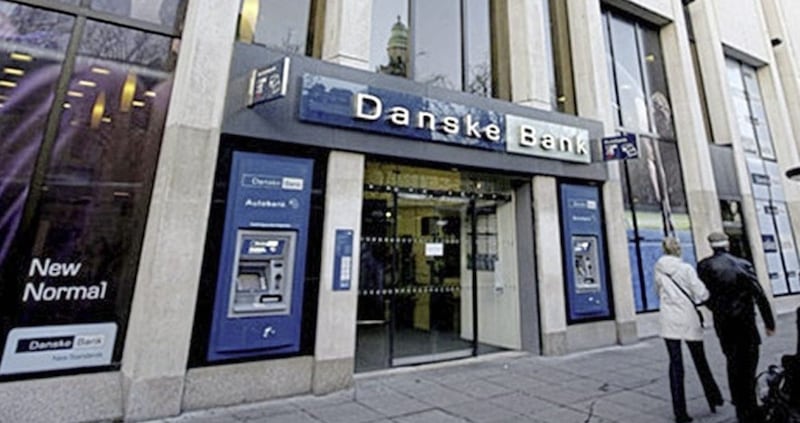 Danske Bank operates 24 branches across Northern Ireland
“We were also pleased to welcome over 1,200 new small business customers and to see small business lending approvals increase by around 10% year-on-year.”
She added: “Despite inflationary pressures and a volatile interest rate environment, mortgage lending remained resilient and was supported by sustained housing demand and low unemployment in Northern Ireland.
“We approved around £940 million in total mortgage lending across the UK in the first nine months of 2026, an increase of over 15% year-on-year.
“And when it comes to everyday banking, we opened more than 10,000 new personal current accounts, 40% of which were for customers under 18 years old.
“During the third quarter, we enhanced our youth account proposition by enabling 16- and 17-year-olds to apply independently online for a personal current account.
“This simplifies access to everyday banking at an important life stage, as young people begin to more actively manage earnings, savings and day-to-day spending.”
During the period Danske continued to invest significantly in its digital service offering for both personal and business customers, as well as in strengthening the digital skills of its workforce.
The bank was also among the first signatories of the UK Financial Services Skills Compact announced by HM Treasury, which represents a formal commitment to invest in its people, develop talent pipelines and ensure it has the skills needed to thrive into the future.