European regulators previously identified similar concerns
The US decision follows an earlier assessment by the European Medicines Agency (EMA), whose safety committee identified NAION as a possible adverse effect associated with semaglutide in 2025.
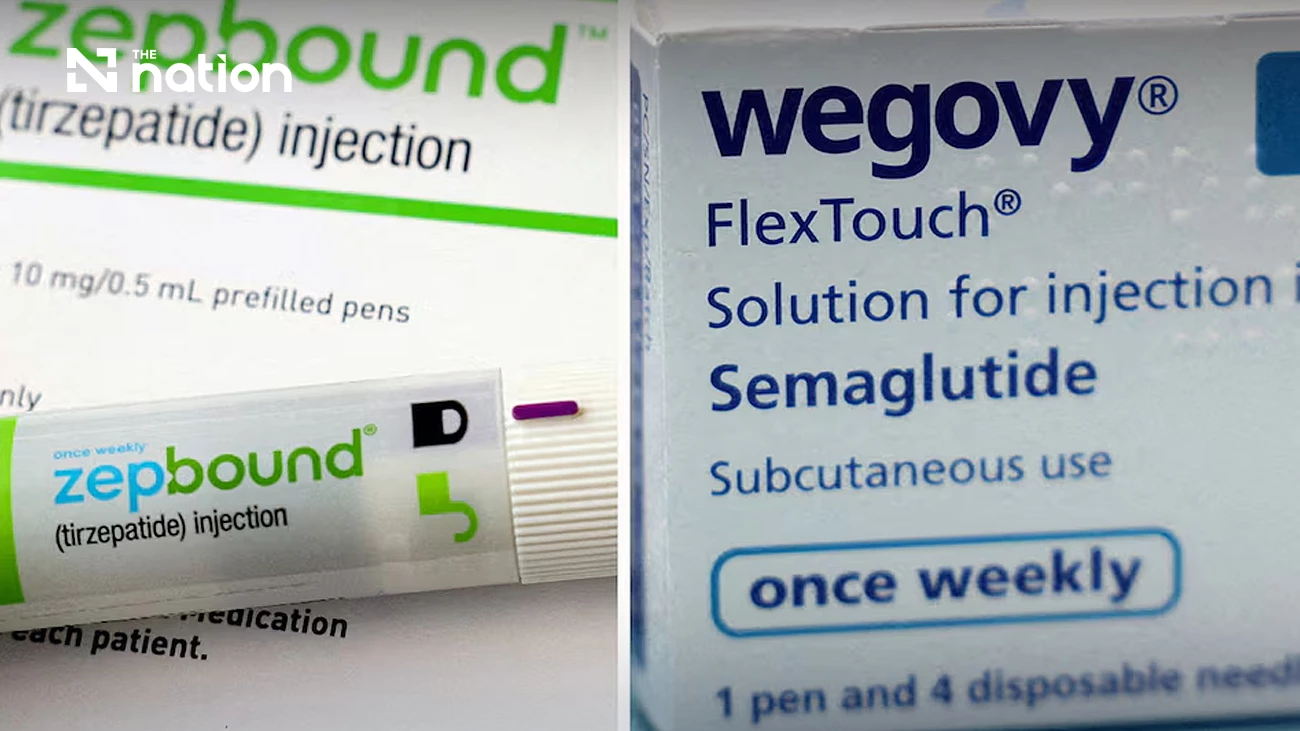
Semaglutide is the active ingredient in Novo Nordisk’s Ozempic, Wegovy and the diabetes treatment Rybelsus.
The European regulator estimated that NAION could affect up to one in 10,000 patients taking semaglutide for a year or longer.
Denmark’s patient compensation authority also reported last year that four patients who experienced vision loss after using Novo Nordisk’s GLP-1 medicines had been awarded compensation.
Further concerns emerged from a large study published in 2025 involving almost 175,000 people with diabetes receiving semaglutide and a similarly sized group using diabetes treatments from other drug classes.
The researchers found that the risk of NAION was more than twice as high among patients treated with a GLP-1 medicine after two years.
However, an observed association does not necessarily demonstrate that the medicine caused the condition.
Novo Nordisk and Eli Lilly respond to FDA decision
Novo Nordisk maintained that the available evidence had not demonstrated a direct causal relationship between its medicines and NAION.
A company spokesperson reiterated its confidence in the overall balance between the benefits and potential risks of Novo Nordisk’s GLP-1 treatments.
Eli Lilly emphasised that the FDA’s announcement covered the entire GLP-1 medicine category and did not identify findings specifically concerning its products.
The company indicated that it was reviewing the regulator’s decision and intended to respond promptly.
Analysts expect limited impact on prescribing
Despite the additional safety warning, analysts believe the medicines’ established therapeutic benefits could limit any significant changes in prescribing practices.
Citi analyst Geoff Meacham suggested that the FDA’s decision could initially unsettle patients and investors.
However, he considered the condition’s rarity, alongside the medicines’ benefits in weight management, blood sugar control and certain cardiovascular and kidney conditions, likely to support their continued use.
He also highlighted benefits associated with treating sleep apnoea.
The FDA’s latest action adds another safety consideration for healthcare professionals and patients using GLP-1 treatments, while leaving the question of a direct causal relationship with NAION unresolved.
Sources: Reuters