
He’s one of the key designers of Brazilian modernism. Somewhat unknown to the wider audience in his homeland, he became an icon of architecture and design across the ocean. Jerzy “Jorge” Zalszupin returns to Warsaw for a one-of-a-kind exhibition.
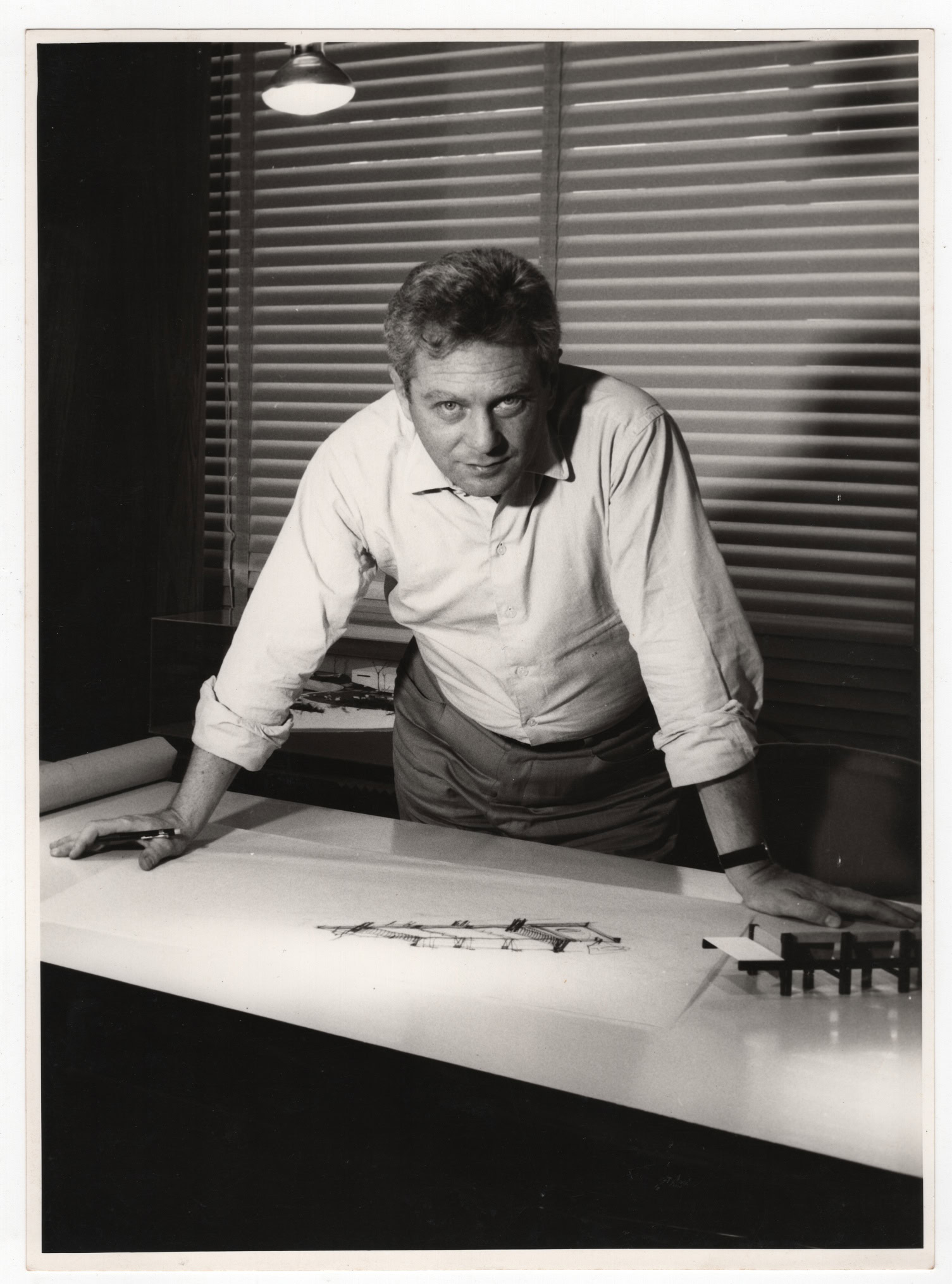
Jerzy Zalszupin, portrait. Courtesy of ETEL and Casa Zalszupin.
This autumn, the Polish capital hosts something unprecedented: the first Polish – and European – showcase of Jerzy Zalszupin’s work. The exhibition’s “aim is to introduce the public to Zalszupin’s unique design philosophy, his modernist sensibility and his contribution to the development of Brazilian design and architecture”, says Maria Murawsky, co-curator and exhibition designer. Organised by Visteria Foundation, Warsaw – São Paulo – Warsaw reconnects the designer with his native country at the Villa Gawrońskich from September 6 to October 19, 2025.
Becoming Jorge
He was 15 when he first encountered a book illustrated with drawings by Le Corbusier – a moment he recalls as a revelation. Architecture would become his life’s work, and he knew it at that very moment. He just couldn’t have known it wouldn’t be among the streets and buildings he grew up surrounded by. Born in 1922 to a Jewish family in Warsaw, Zalszupin’s father had wanted him to study in Paris, but the outbreak of World War II forced him to flee Poland.
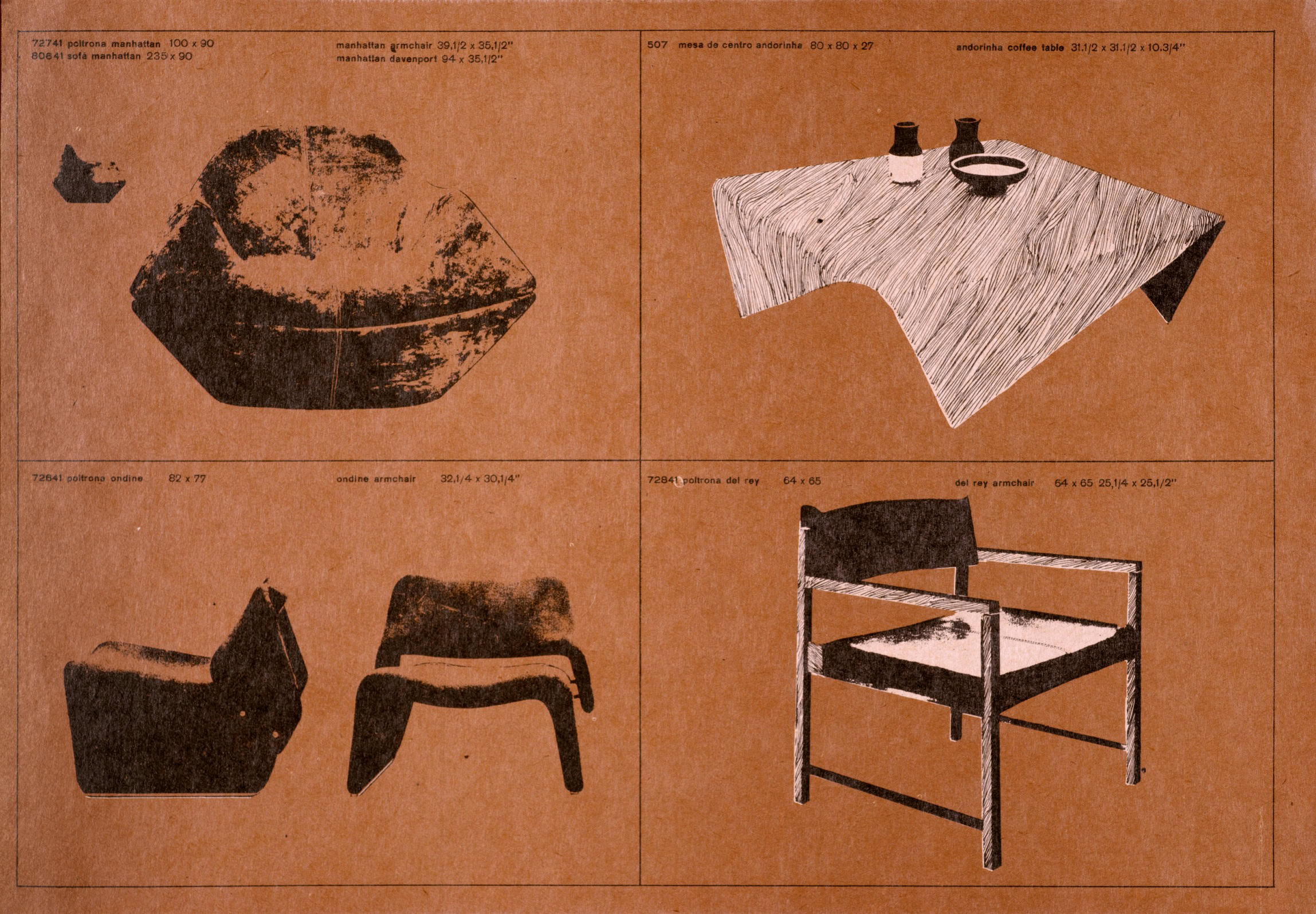
Jerzy Zalszupin, L_Atelier, cc. 1965. Courtesy of ETEL and Casa Zalszupin.
He survived thanks to “a series of miracles”, as he described it, recalling that time of his life. His family took refuge in Romania, where he eventually completed architectural studies at the Ion Mincu University of Architecture and Urbanism in Bucharest. After the 1947 communist revolution, Zalszupin left Romania with his family for France. But he didn’t feel it was a place for him – wanting to escape from Europe, devastated by war, he searched for a new destination; finally settling for Brazil, inspired by pieces read in L’Architecture d’aujourd’hui.
Like that, the new chapter of his life began in São Paulo, a modern, vibrant Brazilian city, going through a rapid modernisation. Here, Jerzy became Jorge. Although such a symbolic gesture of belonging to his new homeland never meant he forgot his Polish roots, which remained an integral part of his identity. He started working in an architectural office run by another Pole, Lucjan Korngold, beginning his South American professional career. But only two years later, he created his own studio and furniture workshop – one of the most vital design companies in Brazil – L’Atelier. This is where he mastered the techniques of bending and modelling exotic woods with extraordinary precision and a keen sense of form. Zalszupin was also a pioneer in the use of plywood and chrome-plated metal, which became the signature of his studio.
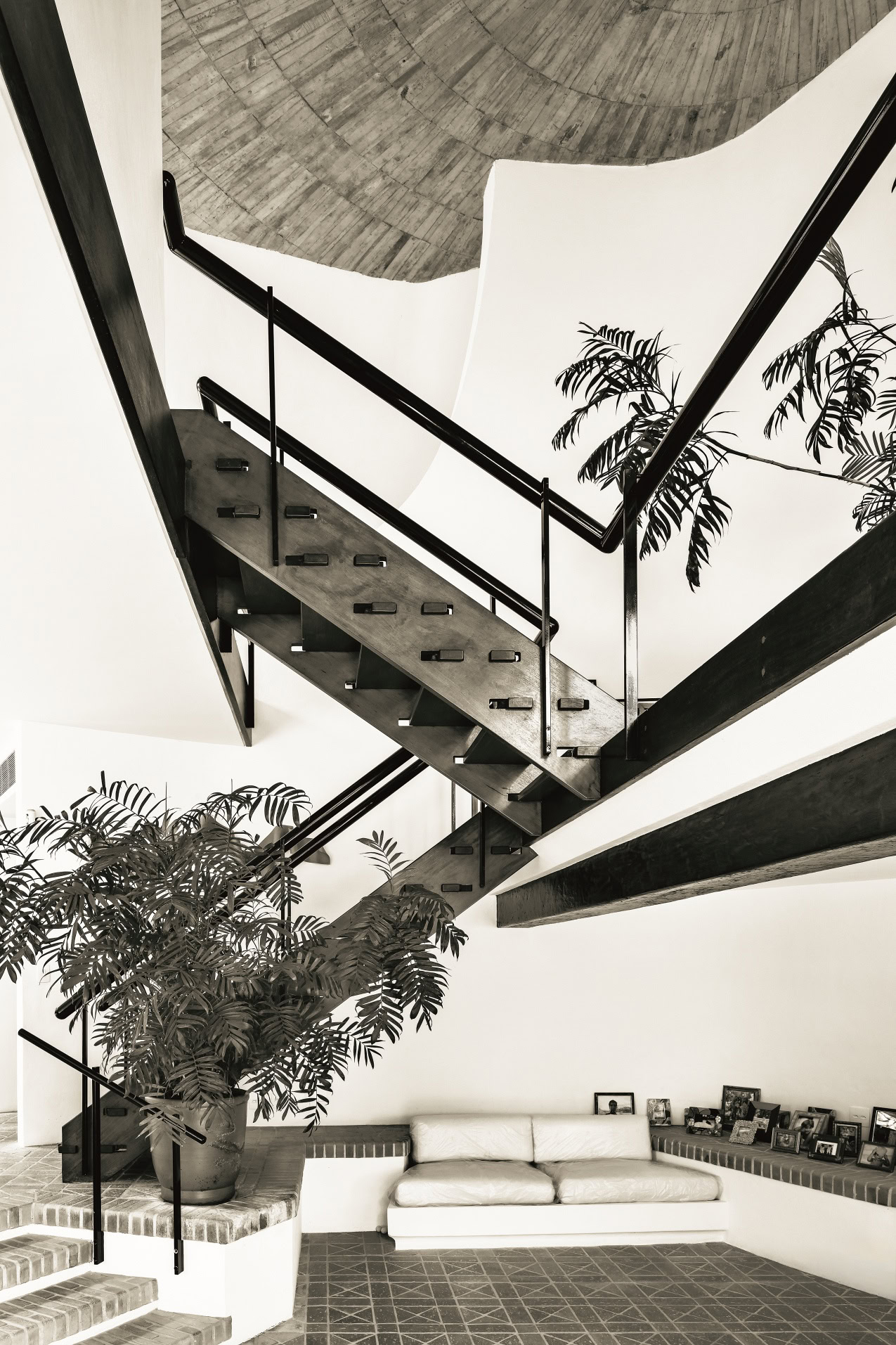
Jerzy Zalszupin. Courtesy of ETEL and Casa Zalszupin.
Thanks to his original designs and excellent craftsmanship, his projects quickly gained recognition, making him one of the leading figures of the so-called “golden age” of Brazilian design and architecture.
In his work, he combined modernity with simplicity, drawing inspiration from Scandinavian furniture design. His Dinamarquesa Armchair (“dinamarquesa” means “Danish” in Portuguese) is considered a Brazilian design icon. As such, thanks to his original designs and excellent craftsmanship, his projects quickly gained recognition, making him one of the leading figures of the so-called “golden age” of Brazilian design and architecture.
In the early 1960s, he was invited by Oscar Niemeyer – one of the most outstanding architects of the 20th century – to join the team responsible for designing furniture for government buildings in the newly emerging capital, Brasília. The iconic Presidential Armchair and elegant desks made of jacaranda wood came to life. The invitation was a great honour, also due to Zalszupin being influenced by Niemeyer’s architectural work. As an architect himself, Jorge also participated in the design of public buildings, office buildings, and residential complexes; but unlike many modernists, Zalszupin focused more on the interiors of buildings, while remaining faithful to the ideas of modern urban planning and functional beauty.
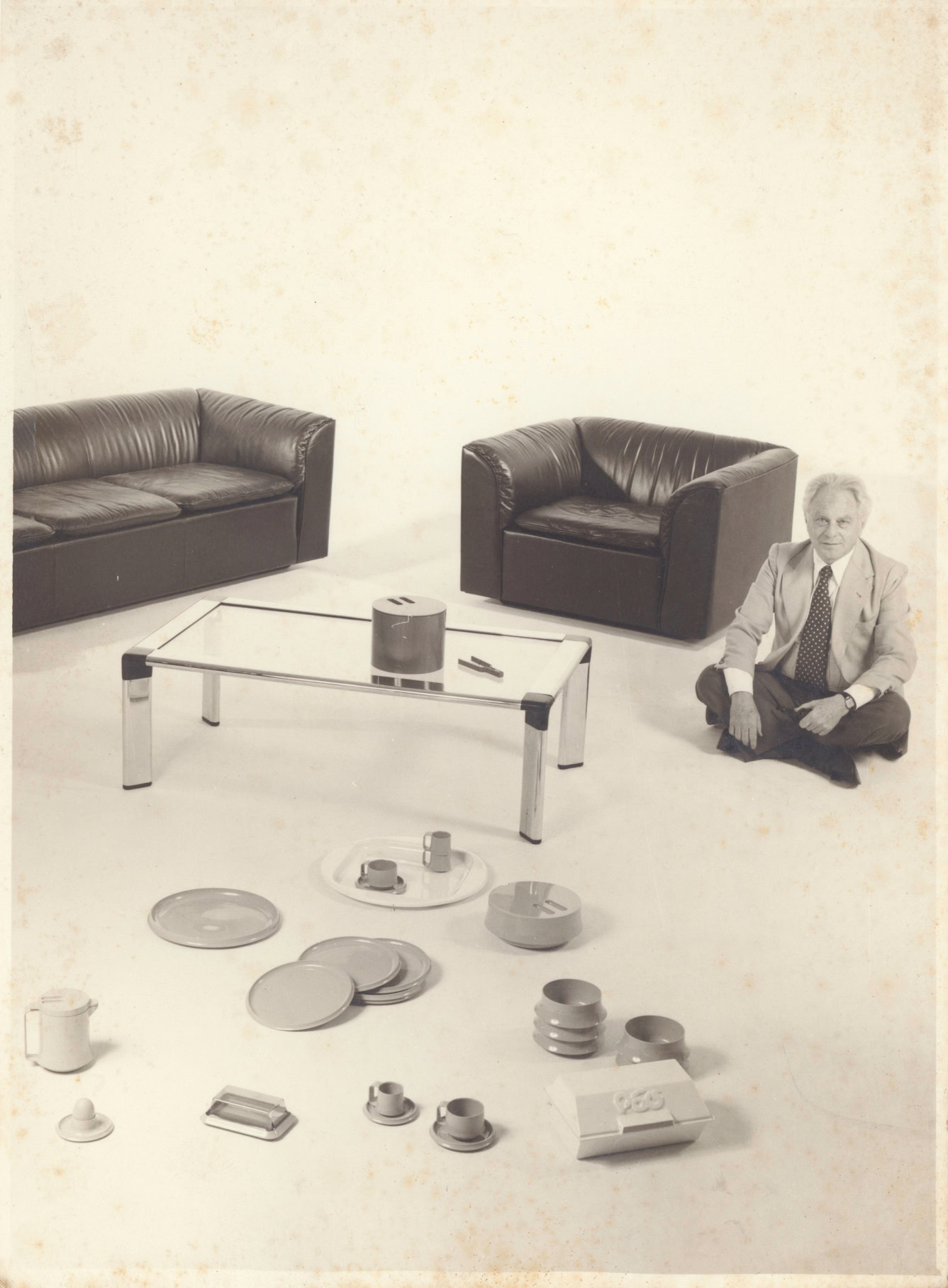
Jerzy Zalszupin, portrait. Courtesy of ETEL and Casa Zalszupin.
A Spark Rekindled
“We met Jorge in 1998. He was 76 years old at the time and was already retiring from professional life. Calm, reserved, but with a sparkle in his eye, he was ready for the next important step. This meeting gave rise to a collaboration that not only brought iconic furniture back to life but also reawakened his creativity”, the co-curator, Lissa Carmona, shares. Carmona is the CEO of design firm ETEL, a company that oversees the legacy of Jerzy Zalszupin and which co-created the Warsaw exhibition. “Jorge began designing again, creating new objects. In 2008, almost forty years after drawing his last piece of furniture, he designed the Veronica armchair, named after his eldest daughter”, Carmona adds. The intensive collaboration between ETEL and Zalszupin lasted over twenty years and continues with the help of his daughters.
Jerzy Zalszupin died in 2020, but his legacy never stopped gaining international renown. Four years later, his designs were presented at the exhibition Crafting Modernity: Design in Latin America, 1940-1980 at MoMA in New York. As such, “we wanted to restore the memory of this outstanding architect and designer, whom we wish to rediscover for the Polish public and remind a wide audience around the world about”, Katarzyna Jordan, founder of the Visteria Foundation and organiser of the exhibition, explains.
Warsaw – São Paulo – Warsaw exhibition is set to be one of the many showcases of the most outstanding craft and design artists, which the Visteria Foundation plans to organise in the coming years. Who else would be more ideal for such an introduction than the modernist icon?

Jerzy Zalszupin, a trolly. Courtesy of ETEL and Casa Zalszupin
A House Reintroduced
Zalszupin visited Poland in 2012. Thirteen years later, he symbolically returns to the place where his life journey began. And the historic Villa Gawrońskich seems to be just the right spot for that.
Until May 2024, the Villa sat abandoned – silent, unused, and largely forgotten. That changed when NADA, an international network of galleries, opened its doors and filled the century-old house with contemporary art. For several days, visitors wandered through a maze of rooms across three floors, pausing to take in both the works on display and the villa’s own details: worn parquet floors, a grand staircase with curling marble steps.
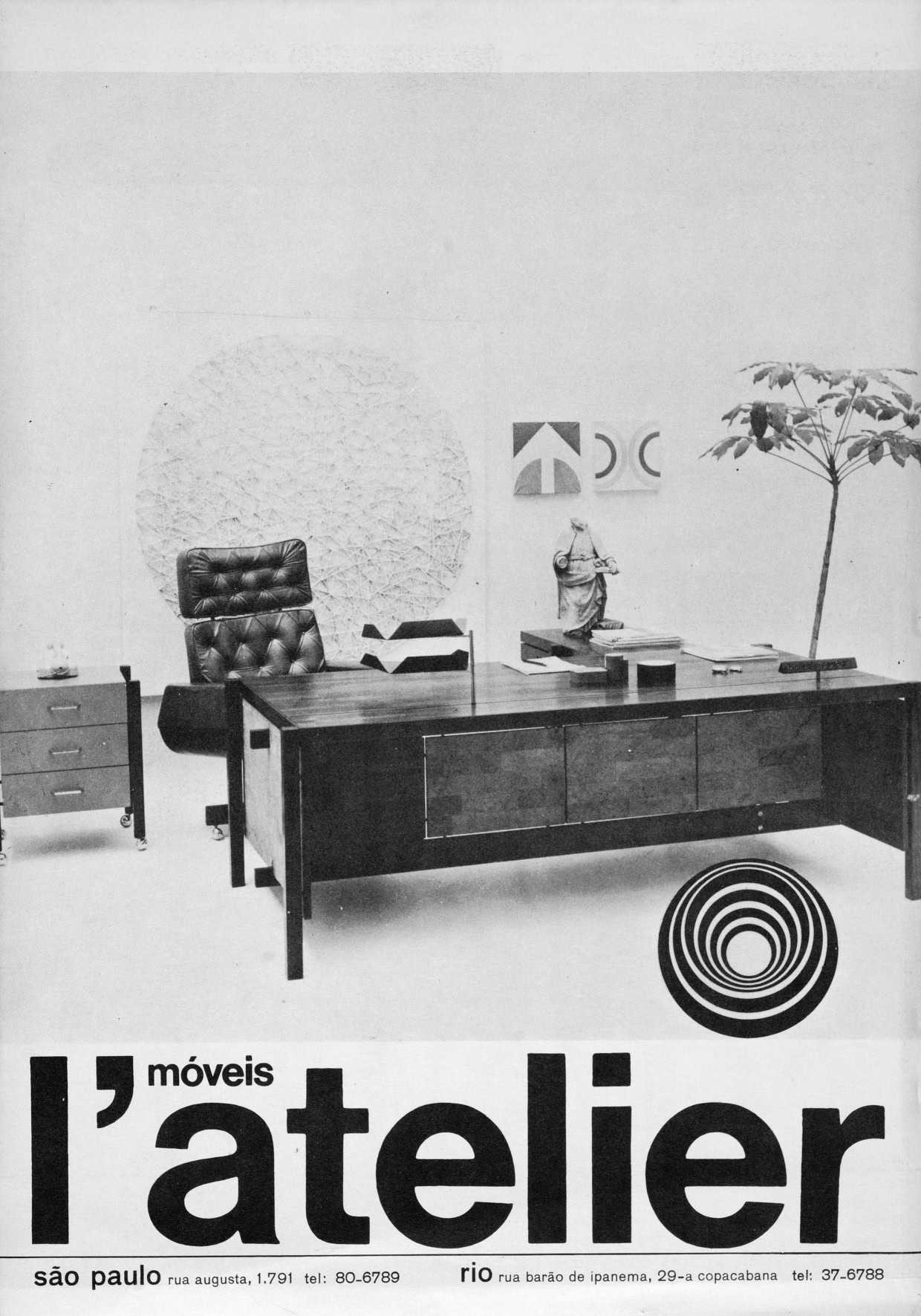
Jerzy Zalszupin, L’Atelier poster. Courtesy of ETEL and Casa Zalszupin
Then, the building was purchased by Katarzyna Jordan and Gregory Jankilevitsch – the owners taking care of it with attention to every detail at last. A private art and design museum is also being created there. The Visteria Foundation was created to support Polish craftsmanship, art, and design by organising exhibitions, meetings with artists and artist residencies. The foundation inaugurated its activities during the Milan Design Week, with the exhibition Romantic Brutalism. A Journey Into Polish Craftsmanship And Design, which was later presented with great success at the Villa Gawrońskich.
“My goal is for Warsaw to become the capital of modern craftsmanship and design, and for events of this type to permanently change the perception of these two fields of art, which are permanently inscribed in our cultural heritage”, Katarzyna Jordan says.
“We wanted to restore the memory of this outstanding architect and designer, whom we wish to rediscover for the Polish public and remind a wide audience around the world about”
— Katarzyna Jordan
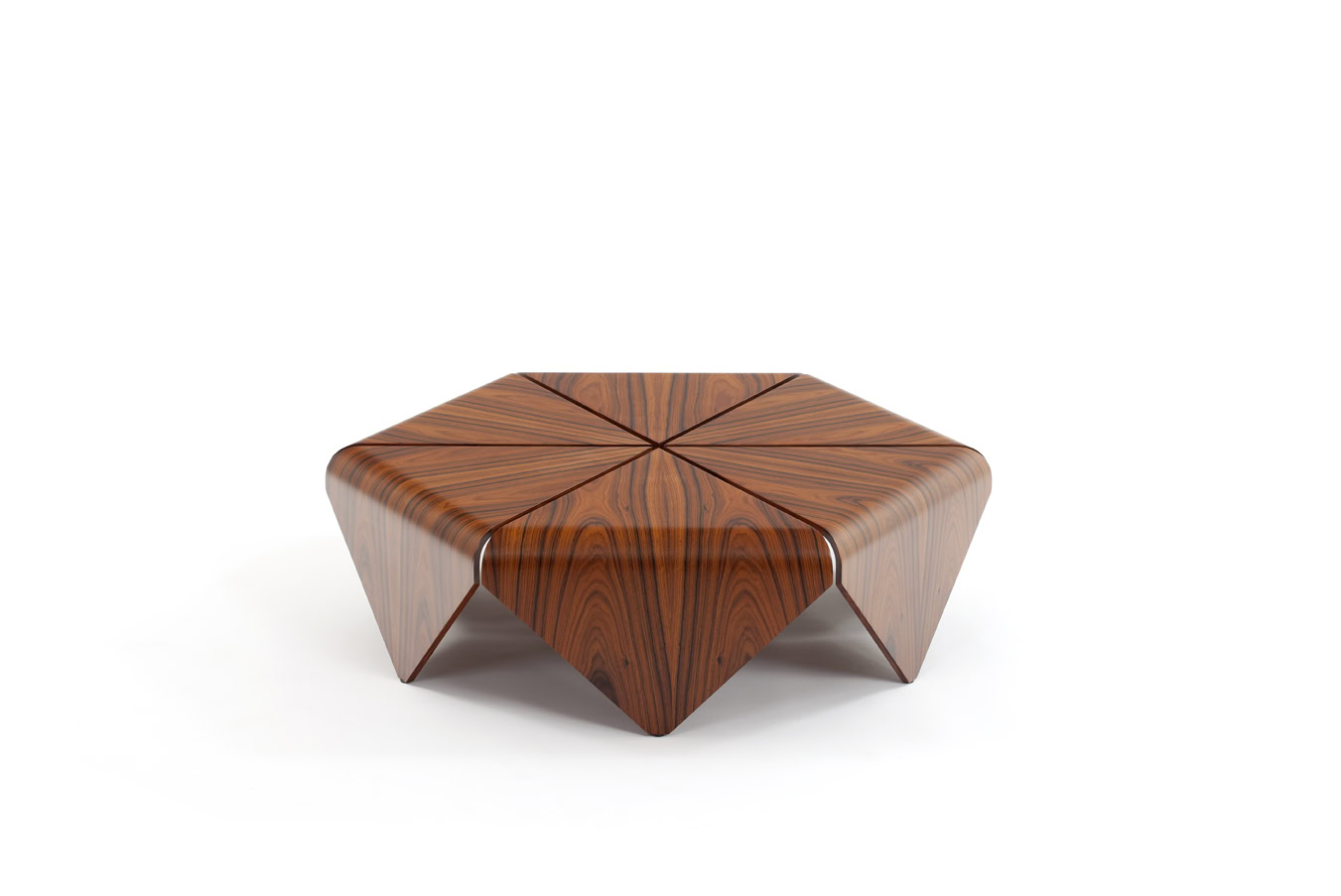
Jerzy Zalszupin. Photo by Fernando Laszlo, courtesy of ETEL and Casa Zalszupin.
Designs, Memories, and a Life on Display
Under the patronage of the Brazilian Embassy in Warsaw and help of Casa Zalszupin, the exhibition is a thorough journey through iconic work. Featuring around 30 of his designs – from the first Dinamarques Armchair, through the organic forms of the Petalas tables, to minimalist seat and sofa designs, visitors can delve into Zalszupin’s mind and vision. A tea trolley inspired by memories of his childhood in Poland, architectural designs, original sketches, photographs and documents presenting the history of his company L’Atelier – and more on display.
The exhibition also reveals Zalszupin’s private space – his home in São Paulo – showing him not only as a master of modernism, but also as a devoted husband and father of two daughters. Such a rich showcase dedicated to the work of a truly remarkable designer makes Warsaw – São Paulo – Warsaw the exhibition to visit this autumn.
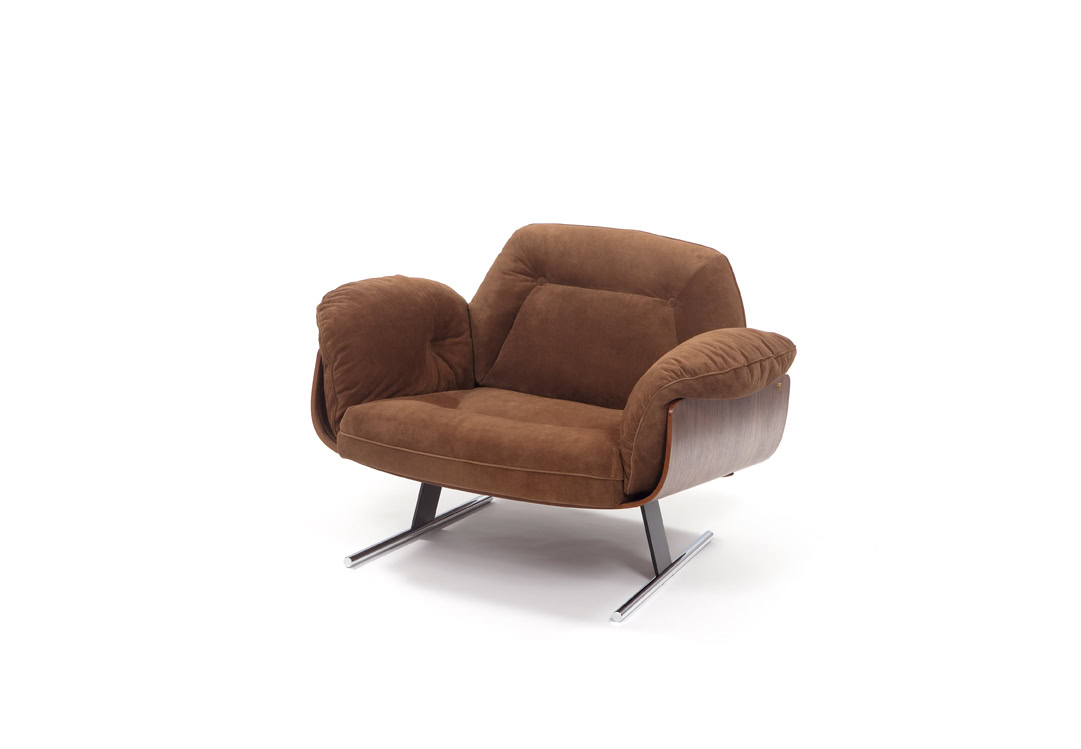
Jerzy Zalszupin. Photo by Fernando Laszlo, courtesy of ETEL and Casa Zalszupin.
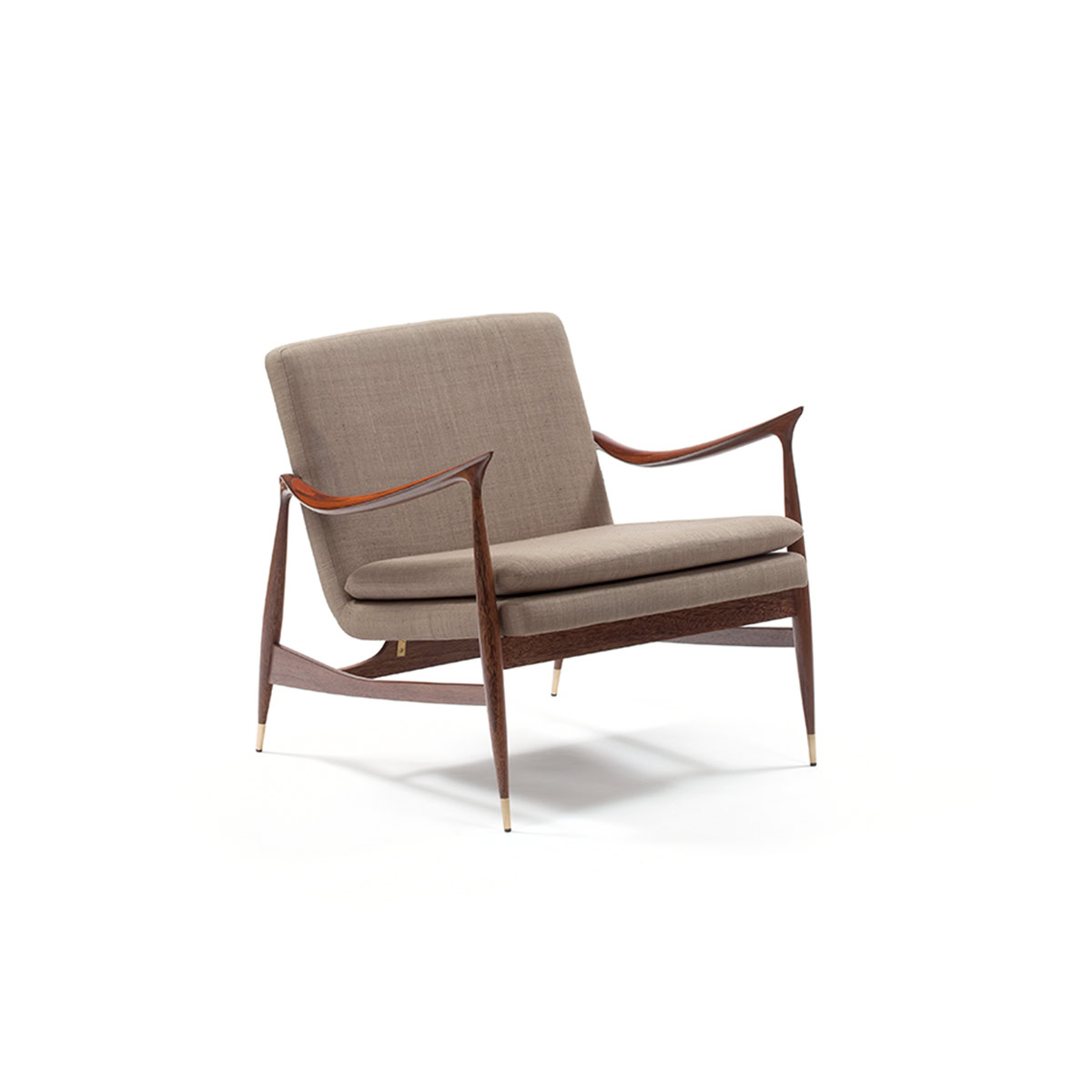
Jerzy Zalszupin. Photo by Fernando Laszlo, courtesy of ETEL and Casa Zalszupin.
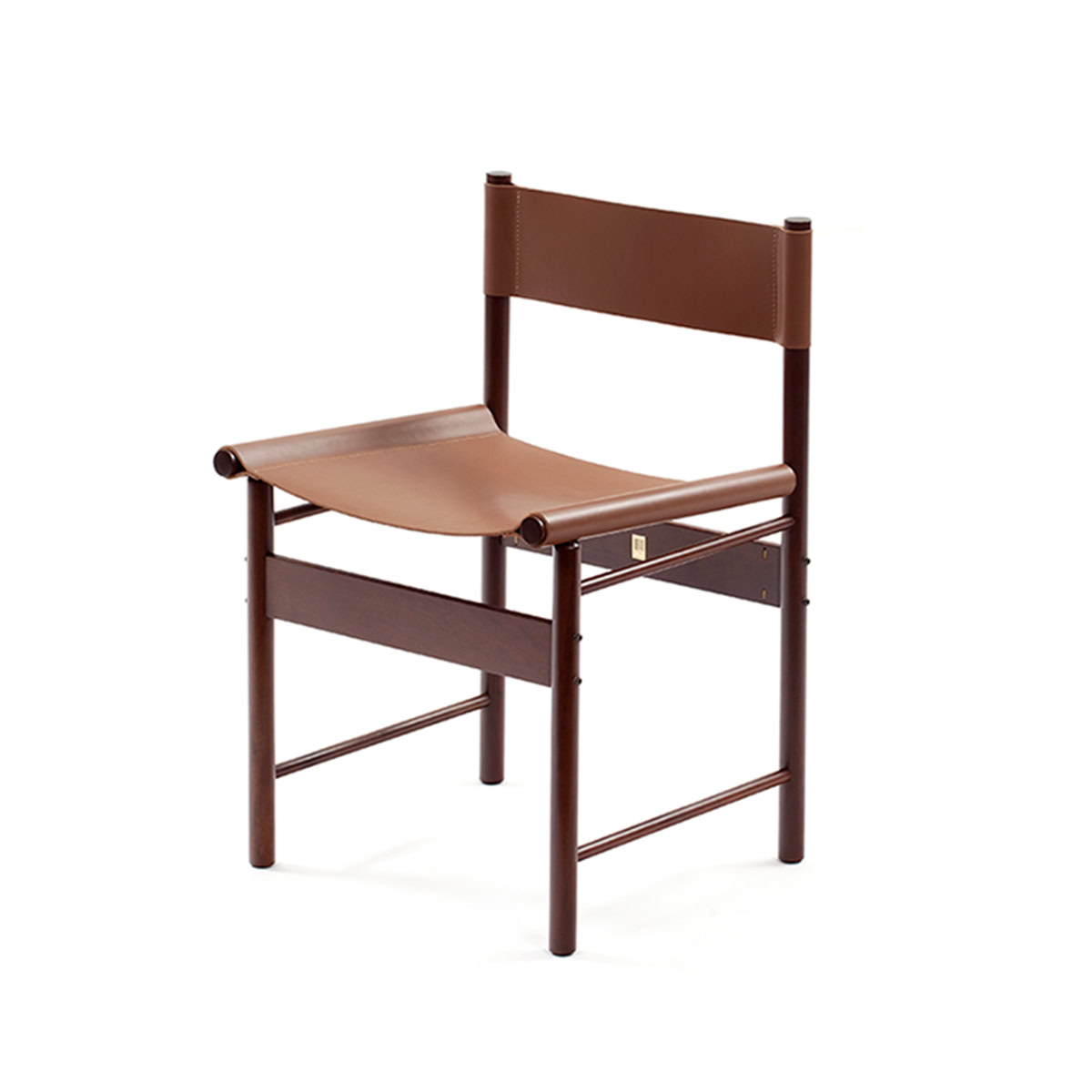
Jerzy Zalszupin. Photo by Fernando Laszlo, courtesy of ETEL and Casa Zalszupin.
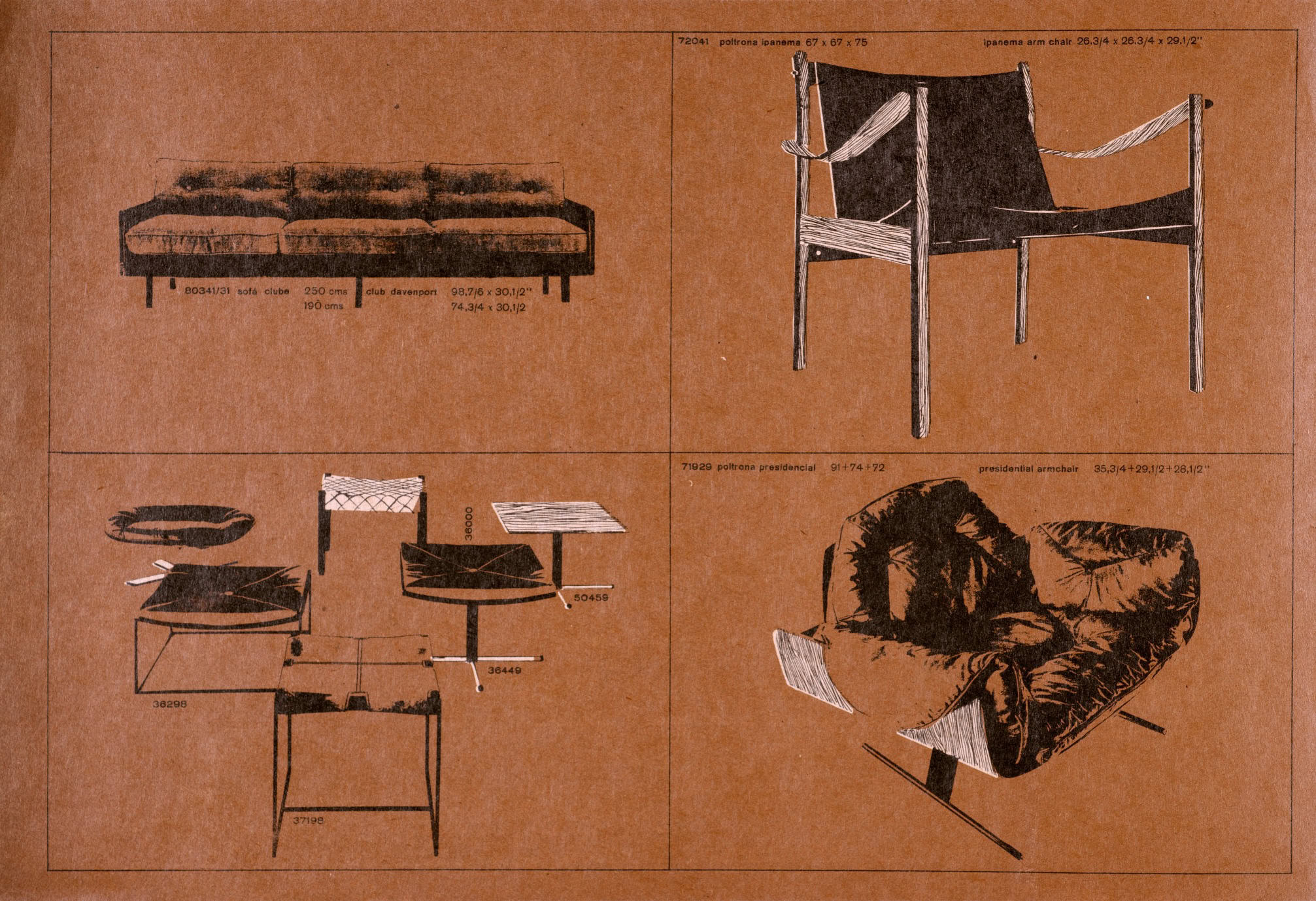
Jerzy Zalszupin, L’Atelier, cc. 1965. Courtesy of ETEL and Casa Zalszupin
Warsaw – São Paulo – Warsaw
September 6 – October 19, 2025
Willa Gawrońskich, Warsaw
Free entry; however, booking a free ticket is advised.
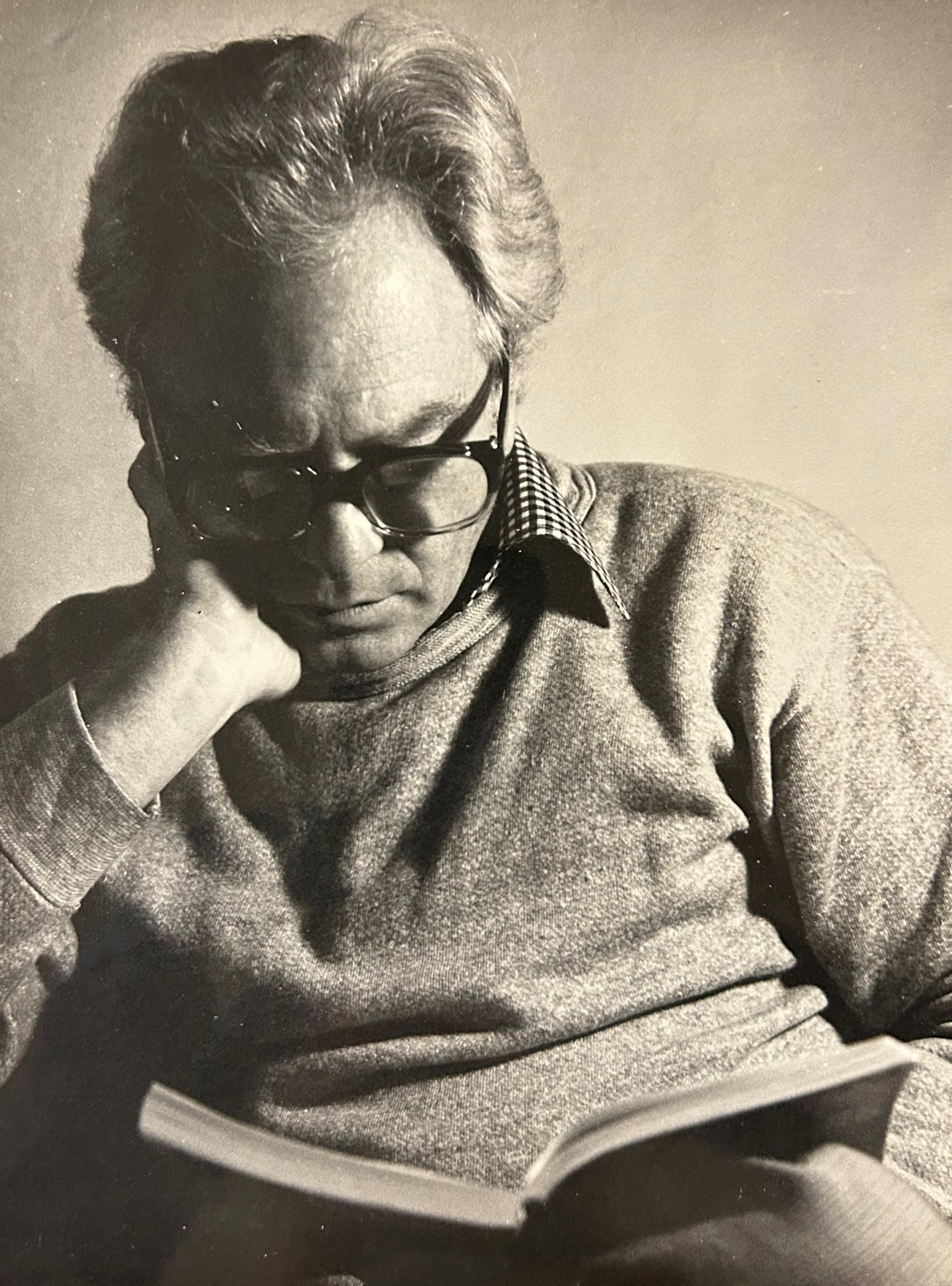
Jerzy Zalszupin, portrait. Courtesy of ETEL and Casa Zalszupin