

Image Credit: Shutterstock.
Europe hardly needs help selling city breaks, but the most useful rankings in 2026 are no longer just about pretty skylines and famous monuments. The better question is whether a city still feels rewarding once you are actually in it: can you get around easily, eat well, find culture beyond the obvious, and enjoy the place without the logistics becoming the story? That is what makes Time Out’s latest global ranking more useful than a simple bucket-list roundup.
Time Out says its 2026 ranking was built from a survey of more than 24,000 people across 150 cities, then refined with votes from more than 100 city experts. The criteria went beyond landmarks and nightlife to include food, culture, happiness, affordability, and quality of life, with added measures this year tied to romance and community feel. In other words, this list is trying to reward cities that work as places to live as well as places to visit.
That helps explain why Europe placed 19 cities on the global top-50 list, with Edinburgh finishing as the continent’s highest-ranked entry and third overall in the world. London, Zürich, Copenhagen, Kraków, Porto, Madrid, Valencia, Paris, and Bath rounded out Europe’s top 10, giving the ranking a mix of major capitals, smaller cultural powerhouses, and cities that often feel easier to enjoy on the ground than their flashier rivals.
What This Ranking Is Actually Rewarding
Image Credit: Joaquin Ossorio Castillo / Shutterstock.
The practical thread running through the list is clear. Cities scored well when locals praised walkability, public transport, food, green space, culture, and the kind of everyday quality-of-life factors that matter to travelers too. That is why this ranking feels broader than a pure luxury list and more grounded than a trend piece about whichever destination is having a social-media moment.
1. Edinburgh
Image Credit: Shutterstock.
Edinburgh taking Europe’s top spot makes sense because it hits several travel sweet spots at once. It was Europe’s highest-ranked city and placed third globally, with Time Out highlighting joint-top marks for walkability alongside strong scores for food, green space, culture, and everyday joy. For travelers, that means a city that is compact enough to navigate on foot but still dense with reasons to stay busy.
The timing also works in its favor. Time Out points to a strong 2026 cultural calendar that includes the return of Hidden Door, Edinburgh Art Festival, and the Edinburgh International Festival. That gives Edinburgh something many heritage-heavy cities struggle with: it is not just historically impressive; it feels current right now.
2. London
Image Credit: Shutterstock.
London finished second in Europe and fourth globally, which is about what you would expect from a city that still does scale better than almost anyone. Time Out praised its culture, food, green space, and sheer range, which helps explain why it remains such a reliable all-rounder despite the cost of visiting.
What keeps London practical, not just glamorous, is how much it continues to change without losing the basics that make it work. One of the clearest 2026 examples is London Museum in Smithfield, which is due to open towards the end of the year. For repeat visitors, that matters. London is not standing still, and that is a big part of why it keeps holding its place near the top.
3. Zürich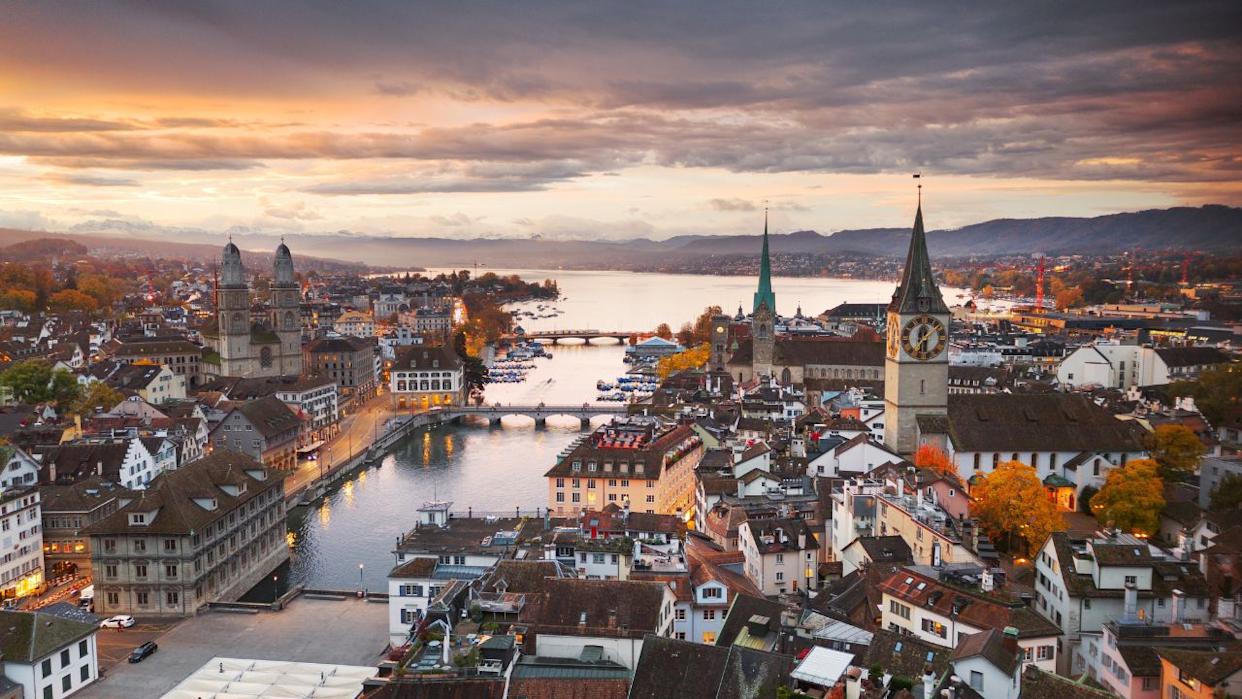
Image Credit: Shutterstock.
Third in Europe and 11th globally, Zürich is the kind of city that benefits from this methodology because it excels in the basics that make a trip run smoothly. Time Out emphasized its walkable neighborhoods and outstanding public transport, which matters because a city can feel expensive and still be good value if it wastes very little of your time.
The bigger appeal is seasonal versatility. Zürich works in warm months when the lake and river become part of daily life, and it works again when colder weather pushes attention back toward museums, concerts, and compact, well-run urban comforts. It is not Europe’s loudest city, but it may be one of its easiest upscale city breaks to enjoy in real life.
4. Copenhagen
Image Credit: Shutterstock.
Copenhagen came fourth in Europe and 13th worldwide, and its appeal is unusually easy to defend. Time Out highlights the city’s food, walkability, cycling culture, and relaxed pace, which is exactly the sort of mix that helps a place feel livable instead of merely stylish.
There is also a strong 2026 angle in how the city keeps trying to improve tourism without flattening local life. CopenPay, which rewards more thoughtful visitor behavior, has become one of the clearest examples of that approach. Add a consistently strong food scene and a city that is already easy to navigate, and Copenhagen remains one of Europe’s simplest places to enjoy well.
5. Kraków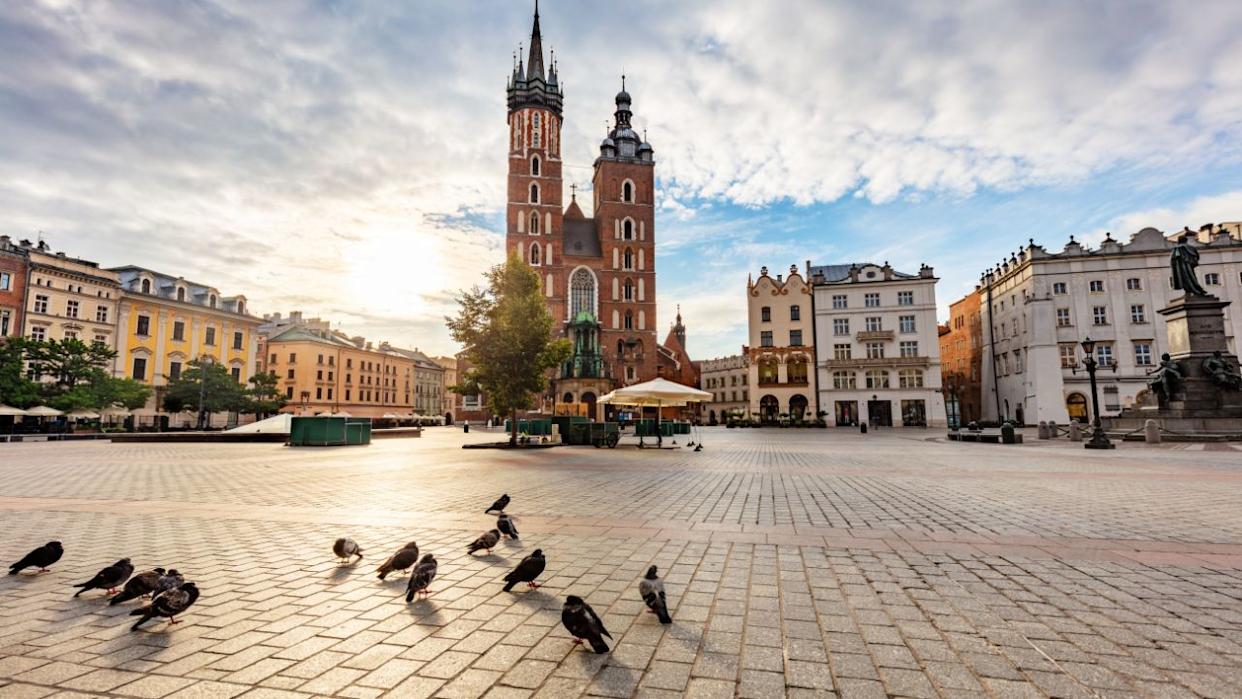
Image Credit : Shutterstock.
Kraków’s placing fifth in Europe and 16th globally is a reminder that smaller, more manageable cities can outperform bigger names when the experience is more concentrated. Time Out’s case leans on the city’s strong food culture, easy strollability, riverside appeal, and the fact that sightseeing and ordinary daily pleasure tend to work together here instead of fighting each other.
That is a strong formula for mainstream travelers. You get architecture and history, including the UNESCO-listed Historic Centre of Kraków, but also practical momentum in the form of lively food spots, evening hangouts, and a city scale that is far less exhausting than many larger European capitals. Kraków feels like a place where the trip keeps rewarding you even after the headline sights are done.
6. Porto
Image Credit: Shutterstock.
Porto ranked sixth in Europe and 17th in the world, and it is easy to see why it travels well with broad audiences. Time Out’s case is built around traditional food, wine culture, riverside scenery, parks, and UNESCO-protected streets, which is a strong mix of postcard appeal and practical walk-around value.
The numbers help, too. Time Out says Porto was the city most likely on the list to be described as historic, while also scoring strongly for being welcoming and friendly. It was also rated especially affordable for coffee, with 99 percent of locals saying that part still felt cheap. That is a very good profile for a city break that wants to feel atmospheric without constantly nicking your wallet.
7. Madrid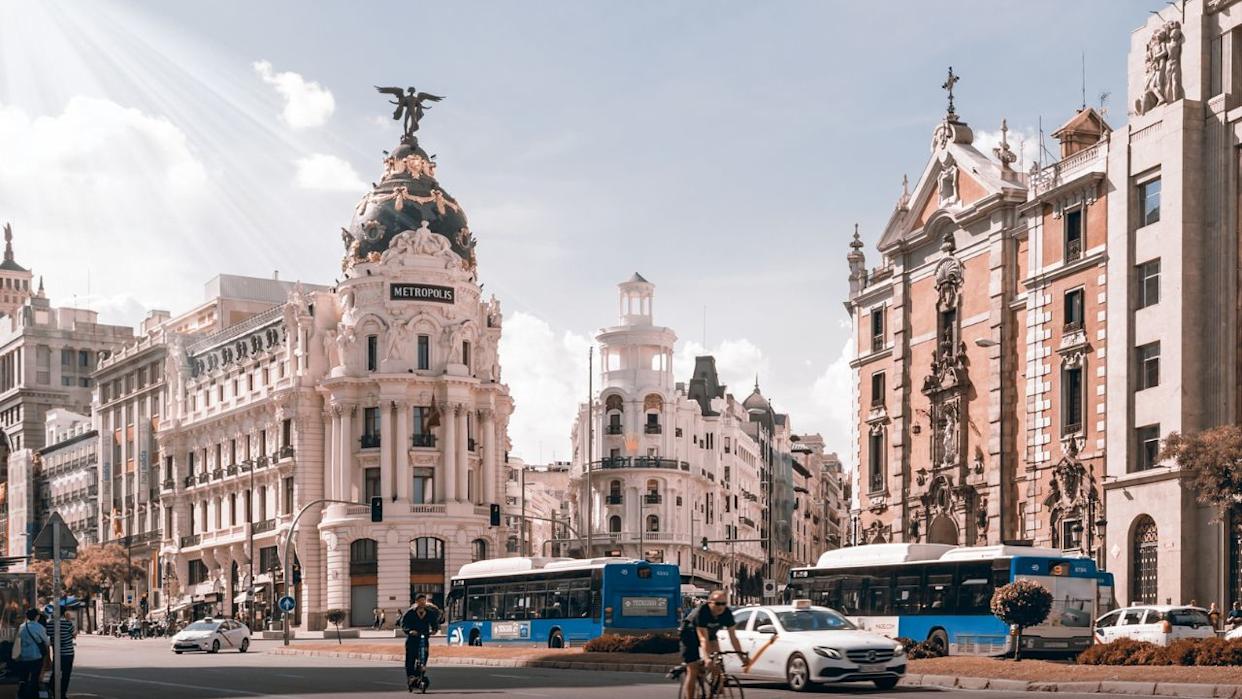
Image credit: shutterstock.
Madrid landed seventh in Europe and 19th globally, largely because it still feels like one of the continent’s best-value big capitals in experiential terms. Time Out notes that while housing has become more expensive, the city remains relatively affordable by major-capital standards and continues to deliver heavily on food, culture, nightlife, and walkability.
That profile matters because Madrid does not depend on one single hook. It can do museums, parks, late dinners, long evenings, and neighborhood life all at once, which is part of what makes it such a reliable repeat-visit city. It is not always the loudest European choice on paper, but on the ground it remains one of the easiest capitals to enjoy with very little effort.
8. Valencia
Image Credit: Shutterstock.
Valencia came eighth in Europe and 20th overall, which feels like exactly the sort of placement this ranking is designed to surface. It has beach-city appeal, a strong old town, a famous food identity, and a nightlife scene that Time Out says is still growing. That already gives it an edge over cities that are beautiful but more one-dimensional.
The 2026 hook is cultural momentum. Time Out points to the new Sorolla Museum and a major Anselm Kiefer exhibition at Centro de Arte Hortensia Herrero, while also noting that Valencians were the happiest in Spain according to its survey. Valencia is increasingly the kind of city travelers pick when they want a Mediterranean break with more substance than a simple beach weekend.
9. Paris
Image Credit: Shutterstock.
Paris is ninth in Europe and 22nd globally, which says less about Paris slipping than about how competitive the ranking has become. Time Out still gave the city extraordinary marks, including top-tier scores for culture and restaurants. For a mainstream traveler, that keeps Paris firmly in the elite tier even if it is no longer being treated as the automatic answer to every European city question.
What makes Paris especially relevant in 2026 is that the city is pairing heritage with visible change. Time Out points to reopened institutions, better cycling conditions, more greenery, and a version of Paris that feels more usable as well as more beautiful. That matters because Paris is strongest when it feels like a real city with momentum, not just a monument collection with excellent lighting.
10. Bath
Image Credit:Shutterstock.
Bath rounds out Europe’s top 10 and sits 26th globally, which makes it one of the ranking’s clearest statements about what matters now. This is not just a pretty historic city. Time Out says Bath topped multiple social and quality-of-life categories, including community feel, ease of making friends, and green space. That is a strong case for travelers who want a city that feels calm, legible, and enjoyable without a huge learning curve.
Bath also avoids feeling frozen in amber. Alongside the Roman Baths and Georgian architecture, Time Out points to a stronger food scene, indie bookshops, and the enduring appeal of Thermae Bath Spa. It is the kind of city that proves smaller scale can be a competitive advantage rather than a compromise.
The Rest of Europe’s Ranked Cities
Image Credit: Shutterstock.
The rest of Time Out’s European list also makes the broader pattern clear. After the top 10 came Bilbao, Berlin, Antwerp, Naples, Amsterdam, Athens, Vienna, Dublin, and Lisbon, which is a lineup heavy on walkable culture cities, strong food destinations, and places with enough local texture to reward a repeat visit.
Why This List Works
Image Credit: Shutterstock.
What stands out most here is that Europe’s best-performing cities are not being rewarded only for fame or visual drama. They are being rewarded for the combination travelers actually feel: strong food scenes, usable public transport, walkability, green space, event calendars, and the sense that locals still genuinely enjoy living there. That is why Edinburgh can beat bigger names, why Bath can sit alongside Paris, and why cities like Porto, Kraków, and Valencia feel so well positioned for 2026.
Read More