Sign up for our newsletter and get our latest content in your inbox.
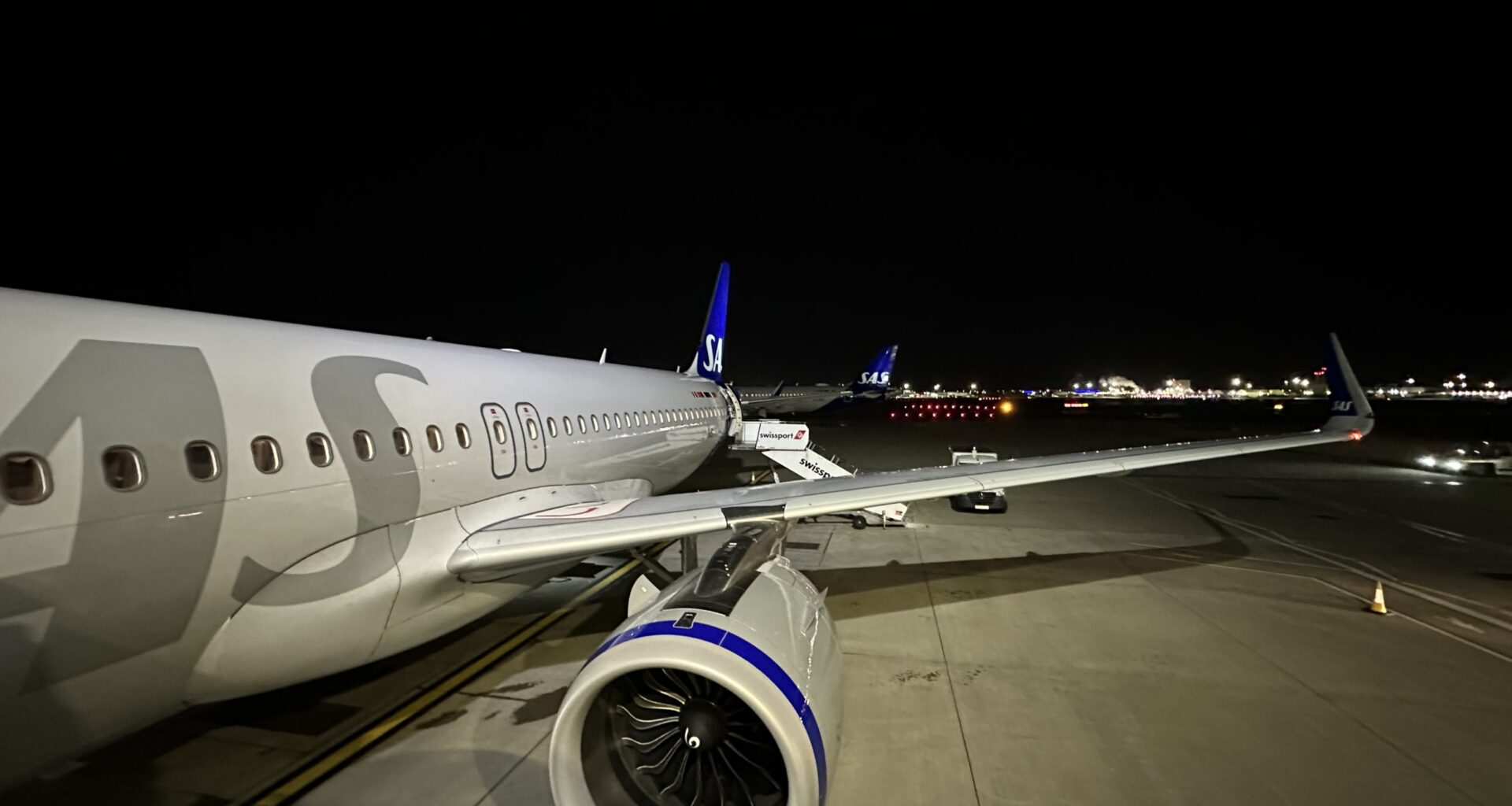
On the evening of 5 February, SAS Scandinavian Airlines Flight SK2590, an Airbus A320neo (SE-ROM), was involved in a serious incident at Brussels Airport while preparing to depart for Copenhagen.
Although the flight had been cleared for takeoff from runway 07R, the aircraft mistakenly began its takeoff roll in the dark on a parallel taxiway (reported by local media as E1) at approximately 22:03 local time.
SAS Airbus A320neo accelerates down a taxiway
Instead of lining up on the correct runway, the jet accelerated along the taxiway, reaching a reported ground speed of approximately 107 knots. Once the error was identified, the flight crew rejected the takeoff, successfully bringing the aircraft to a stop.
The aircraft ultimately came to rest partially off the paved surface in an adjacent grassy area very close to the airport’s aviation fuel storage area. It could not be moved under its own power.
Despite the severity of the incident, there were no reported injuries to passengers or crew members. All occupants were deplaned from the aircraft safely.
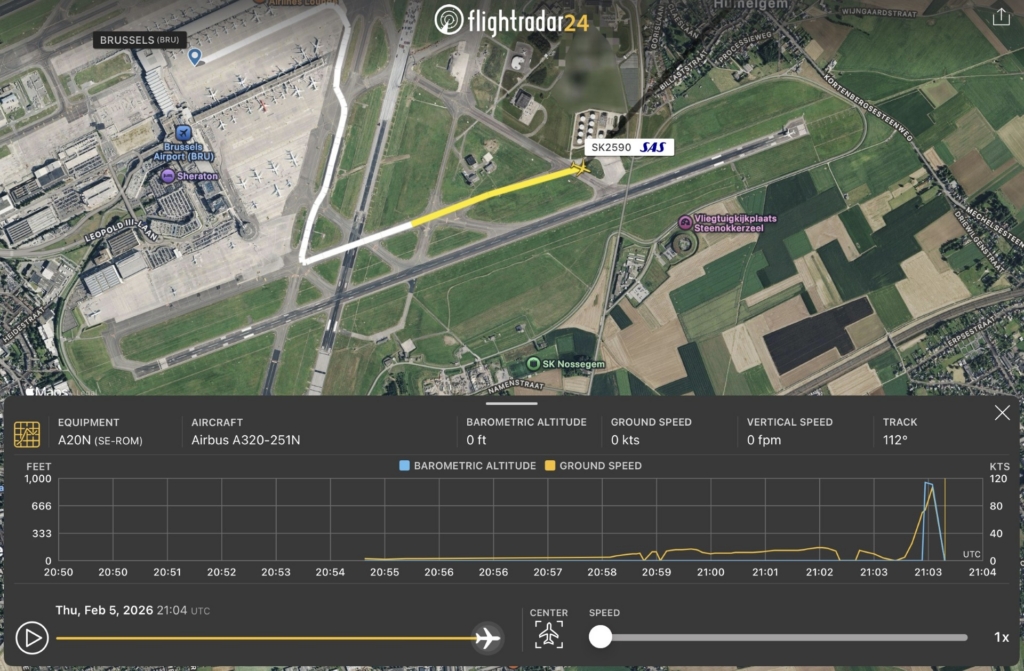 Photo: FlightRadar24
Brussels Airport remains open after taxiway incident
Airport operations at Brussels Airport continued normally for other flights. The affected aircraft was later towed to a suitable location. Passengers from flight SK2590 were rebooked on alternative services to Copenhagen.
An official spokesperson for Scandinavian Airlines confirmed that the airline is fully cooperating with Belgian aviation authorities in the ongoing investigation. Preliminary information indicates that the incident resulted from a misidentification during taxiing, with the aircraft lining up on a taxiway instead of the assigned runway after receiving takeoff clearance.
Why taxiway takeoffs still happen in modern cockpits
Aviation safety experts note that attempted takeoffs from taxiways, while rare, emphasise the need for strict cross-checks, clear crew coordination and heightened situational awareness. This is particularly the case during nighttime or low-visibility operations.
Aircraft safety features, such as RAAS (Runway Awareness and Advisory System), which provides enhanced situational awareness to crew, was not fitted to the aircraft. A RAAS is specifically designed to prevent an incident like this one.
Investigators are expected to review air traffic control communications, cockpit procedures, and airport signage as part of a comprehensive inquiry.
SAS says safety review underway after taxiway takeoff incident
Scandinavian Airlines has reiterated that safety remains its highest priority and stated it will implement any measures recommended by investigators to help prevent similar incidents in future SAS operations.
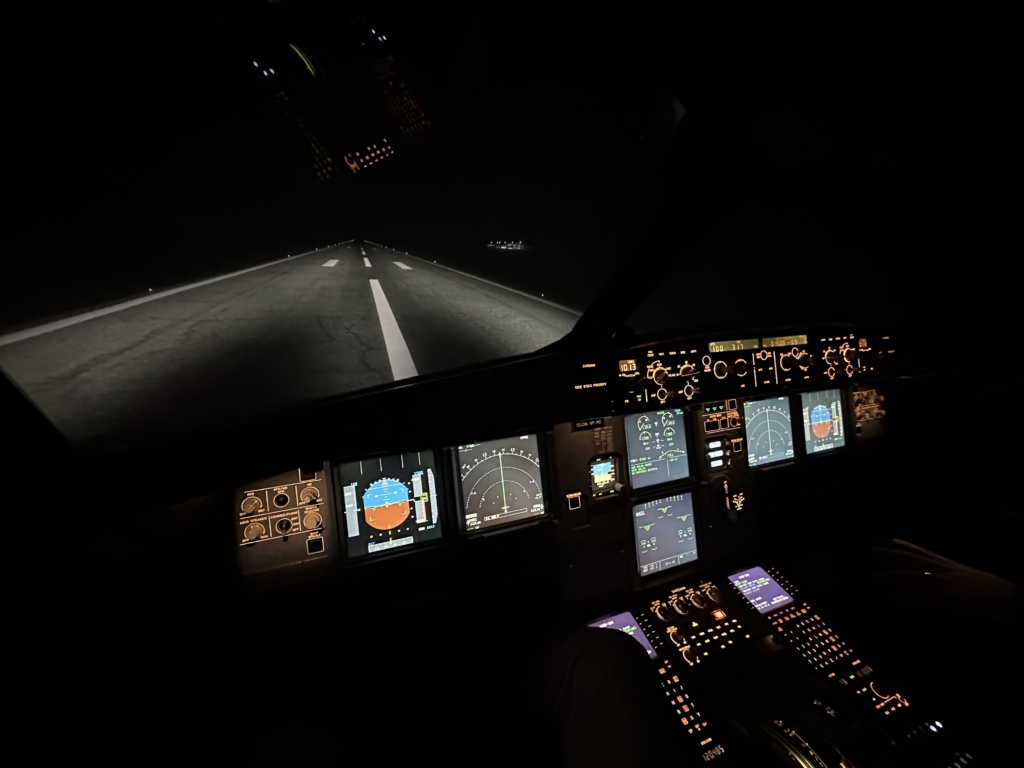 Photo: Emma Lewis
Featured image: Emma Lewis
Sign up for our newsletter and get our latest content in your
inbox.