Home » RAILWAY NEWS » Denmark Is Gearing Up to Be The First Country With The Largest Fully Automated Train System: What You Need to Know
Published on
February 7, 2026

On February 6, 2026, DSB, the state-owned railway company of Denmark, signed a monumental framework contract with a consortium formed by Siemens Mobility and Stadler for the procurement of 226 fully automated four-car trainsets. The deal, which holds a remarkable value of around 3 billion EUR, includes an option for up to 100 more trainsets, signalling a milestone in the global rail transport landscape. This deal will lead to the creation of the world’s largest open railway system equipped with automated train operation.
Revolutionising Copenhagen’s Rail Transport System
This historic agreement will pave the way for a complete transformation of the Copenhagen S-Bane, with Siemens Mobility taking the lead in the electrical equipment and technological innovations, while Stadler handles the production and assembly of the trains. The new trainsets will drastically improve service frequency and capacity, crucial for handling the rising passenger demand in Copenhagen’s rapidly growing urban landscape.
As part of the contract, Siemens is tasked with supplying the propulsion and braking systems, vehicle control systems, and passenger information systems. Meanwhile, Stadler is responsible for the bodyshells, interior fittings, seats, air conditioning systems, and final assembly of the trains. This collaboration is set to introduce cutting-edge technologies designed for long-term reliability, with the trains scheduled to begin service by 2032 and full delivery expected by 2040.
A Leap Towards Fully Automated Operations
The agreement is part of a larger push by DSB to fully automate the Copenhagen S-Bane, which will eventually operate without drivers. Siemens Mobility will also be responsible for implementing a Technical Support & Spares Supply Agreement (TSSSA+), ensuring the system’s reliability and service availability for the next 30 years. This includes the integration of Railigent X, a digital maintenance and service concept designed to optimize the system’s performance and ensure operational reliability.
Advertisement
Advertisement
The first automated operations are expected to begin in 2030, with full automation anticipated by 2033. This will significantly enhance the S-Bane’s efficiency, reducing waiting times and increasing train frequency, making the system one of the most advanced in the world. With trains running as frequently as every 1.5 minutes during peak hours, the new system will provide a substantial boost in capacity, accommodating up to 10 million additional journeys annually.
Meeting the Growing Demand for Rail Travel
Advertisement
Advertisement
The S-Bane has always been the backbone of Copenhagen’s public transport network, and with the city’s population continuing to grow, DSB has made this investment to future-proof the system. Flemming Jensen, CEO of DSB, emphasized that this deal represents the largest investment in the history of the S-Bane, aimed at ensuring the system can accommodate increasing passenger demand while maintaining its status as the essential transport system of the city. With peak-hour train intervals set to drop to 7.5 minutes and as low as 1.5 minutes in central areas, the deal represents a giant leap in modern urban mobility.
A Design Revolution for S-Bane Trains
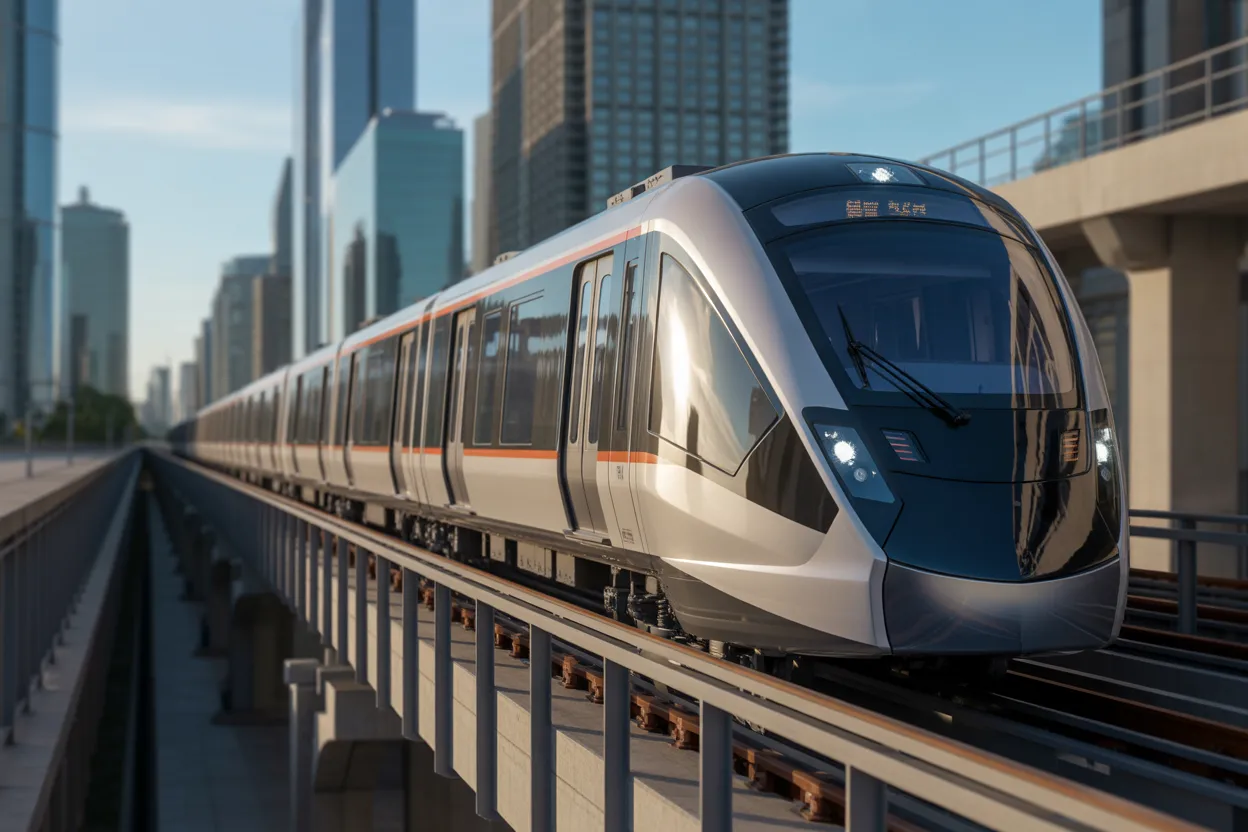
The design of the new trains reflects Copenhagen’s iconic style, ensuring that the aesthetic appeal of the S-Bane is maintained while introducing pioneering technologies. The new trains will feature larger side windows and front windows, providing passengers with an open and bright atmosphere. This design choice is complemented by barrier-free features and spacious seating that significantly enhance comfort for passengers.
With 120 seats, 36 folding seats, and space for around 300 standing passengers, these 56-meter-long trains will provide ample capacity, especially during rush hours. The multi-purpose areas will be designed for flexibility, allowing room for bicycles, wheelchairs, and prams. Additionally, the trains will have modern passenger information systems, including digital route displays and smooth, quiet operations, all of which contribute to a more comfortable, efficient travel experience.
Cutting-Edge Technology for Performance and Sustainability
One of the most innovative features of the new S-Bane trains is the Air-free Brake System, which will set new standards for operational performance. This innovative braking system reduces the weight of the train and lowers the CO₂ footprint by over 50%, replacing the energy-intensive pneumatic systems traditionally used. Coupled with an advanced propulsion system, this groundbreaking design will offer optimal performance, reducing energy consumption and delivering substantial operational savings.
These technological innovations are part of Siemens Mobility’s ongoing commitment to improving the sustainability of urban rail transport, helping to reduce the overall environmental impact of the system. The Air-free Brake System and other sustainable features will ensure that the new S-Bane trains meet Europe’s environmental goals, contributing to a cleaner and more efficient transport network.
The Long-Term Service Agreement for Sustainable Operations
A key component of the contract is the 30-year service agreement between DSB and the consortium. This agreement includes options for two additional five-year extensions, ensuring that the S-Bane network operates with optimal efficiency and reliability for decades to come. The contract covers everything from spare parts supply to cybersecurity services, which are increasingly crucial in the digital age.
The maintenance management system will be enhanced by digital tools like CORMAP, Railigent X, and the FRACAS/RAM reporting platform. These tools will optimize maintenance planning, monitoring, and fleet reliability, ensuring the continuous availability of the system for passengers.
The Move to Grade of Automation 4 (GoA4)
Another important aspect of this investment is the ongoing upgrade of the entire 170-kilometer S-Bane network to Grade of Automation 4 (GoA4), enabling fully driverless operations. Siemens Mobility will deliver all the necessary trainborne and wayside signaling technology for the 226 new trainsets as part of the upgrade. The move to GoA4 will be implemented in five phases, with the first phase of automated operations planned for 2030 and full automation expected by 2033.
This upgrade will not only increase the frequency and efficiency of services but will also help to future-proof Copenhagen’s transport infrastructure, making it one of the world’s most advanced and efficient automated urban rail systems.
Pioneering a Sustainable Future for Copenhagen’s Rail Network
The partnership between Siemens Mobility and Stadler marks a significant milestone in the future of urban rail transport. With the introduction of the world’s largest fully automated railway system, Copenhagen is set to redefine public transport in Northern Europe. This investment will enhance service frequency, improve passenger comfort, and support the city’s sustainability goals, offering a glimpse into the future of smart mobility.
