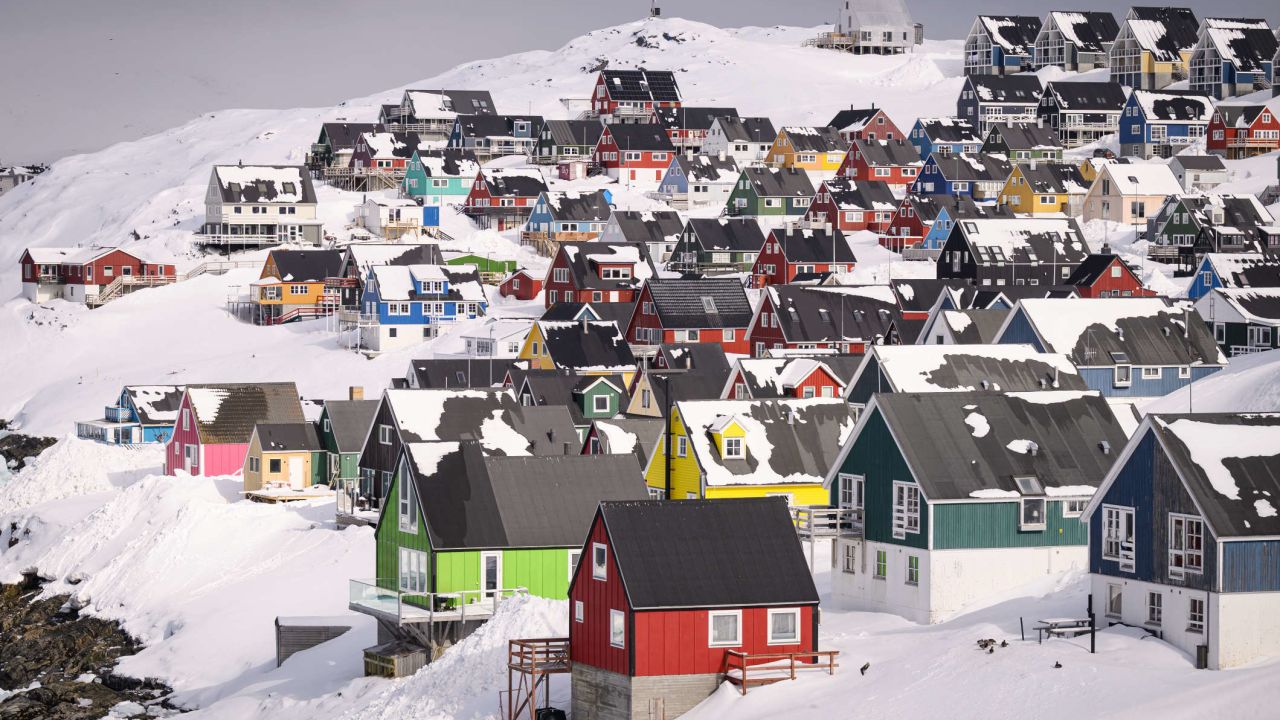
Greenland often feels like a distant conversation, something far removed from our region. Yet what unfolds in the Arctic—particularly in the evolving relationship among the United States, Denmark, and Greenland—is shaping the international order in which Latin America will have to operate. It is not a remote curiosity; it is an early signal of the world ahead.
Greenland is far more than ice. It is newly opening sea routes, strategic minerals, military access, and a pivotal position in the security architecture of the Northern Hemisphere. That is why the United States has renewed its interest in the island, and why Denmark guards its historical connection. But the story is deeper than the usual headlines suggest: during World War II, after Denmark fell under German occupation, the United States assumed Greenland’s defense and established bases that cemented a long-term strategic presence. Washington is not arriving as a newcomer; it is returning to a territory where it once held direct responsibility.
In recent years, the United States has reopened conversations about its role in Greenland, seeking a strategy that brings clarity to a region central to global security. In a place as sensitive as the Arctic, stability depends on major powers acting within diplomatic frameworks and shared rules. And the direction Washington is taking points toward reducing tensions and reinforcing a more predictable international environment—something that directly benefits Latin America and the broader world by preventing power vacuums and supporting a more orderly global system.
An Arctic governed through clear agreements—rather than improvisation or fragmented decision-making—strengthens global stability. For Latin American countries, which lack the military reach to influence distant regions, that stability is essential. When decisions are made within transparent frameworks, the international system works more fairly for everyone.
The Arctic is also a climate barometer. What happens to Greenland’s ice affects sea levels, rainfall patterns, and food security. Latin America, one of the regions most vulnerable to climate change, has a direct stake in ensuring that Arctic decisions are made responsibly and with long-term vision. Costa Rica, with its environmental leadership, can serve as a moral voice in that conversation.
The question is not whether Latin America can shape Arctic policy. The question is whether we understand that what happens there will define the kind of world we inhabit. A world where rules matter—or a world where decisions are made without regard for those who depend on international order to live with security.
Greenland is a reminder that geopolitics is never far away. Even in the tropics, the northern melt reaches us. And the way this dispute is resolved will reveal much about the order taking shape—and about the place Latin America and the world will be able to claim within it.

– Advertisement –